What a Cable Ladder Roll Forming Machine Produces
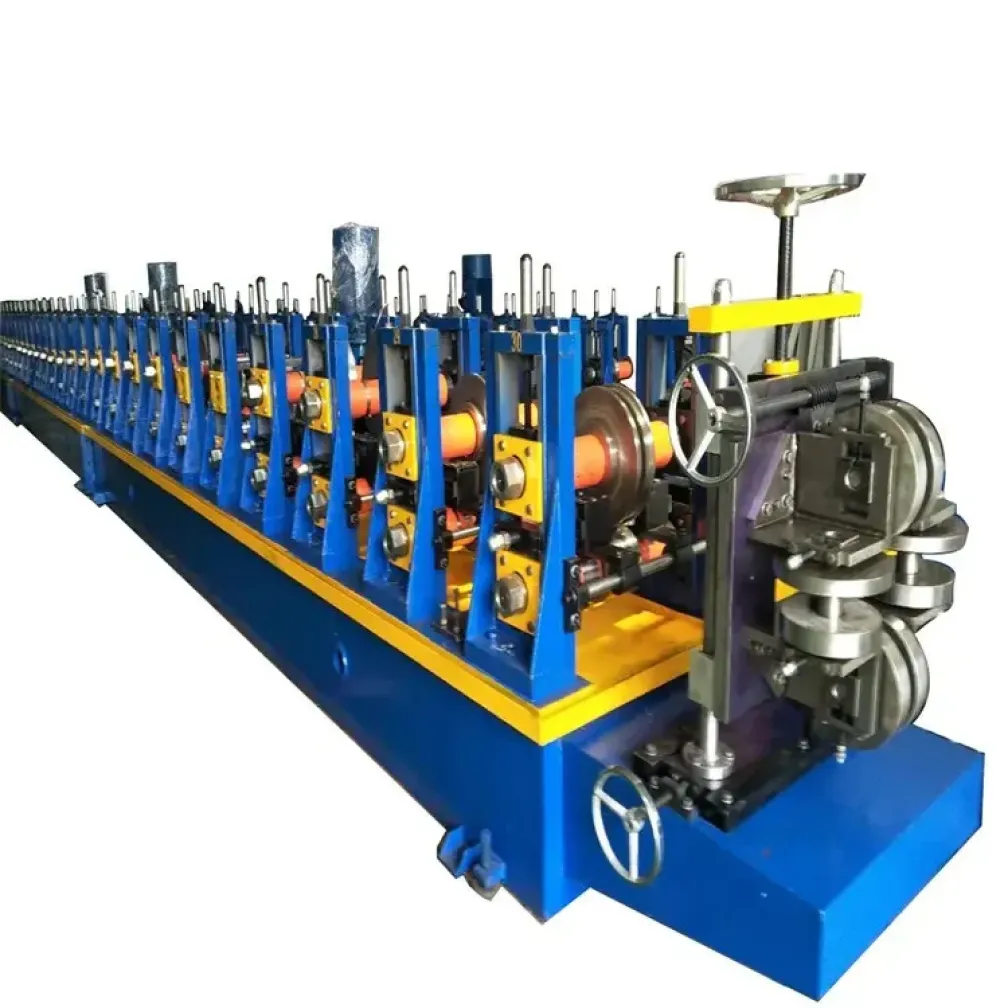
A cable ladder is the heavy-duty member of the cable support family: two C-shaped side rails connected by rungs at regular intervals, forming a rigid ladder that carries power cables across long spans. The open structure gives cables full ventilation and gives installers free access for laying and inspection, which is why electrical designers specify ladder tray for main power routes in plants, stations and infrastructure projects. The machine on this page forms the side rails and rungs from metal strip, punches all fixing holes inline, and assembles the parts into finished ladder sections ready for dispatch.
How a Cable Ladder Line Is Organized
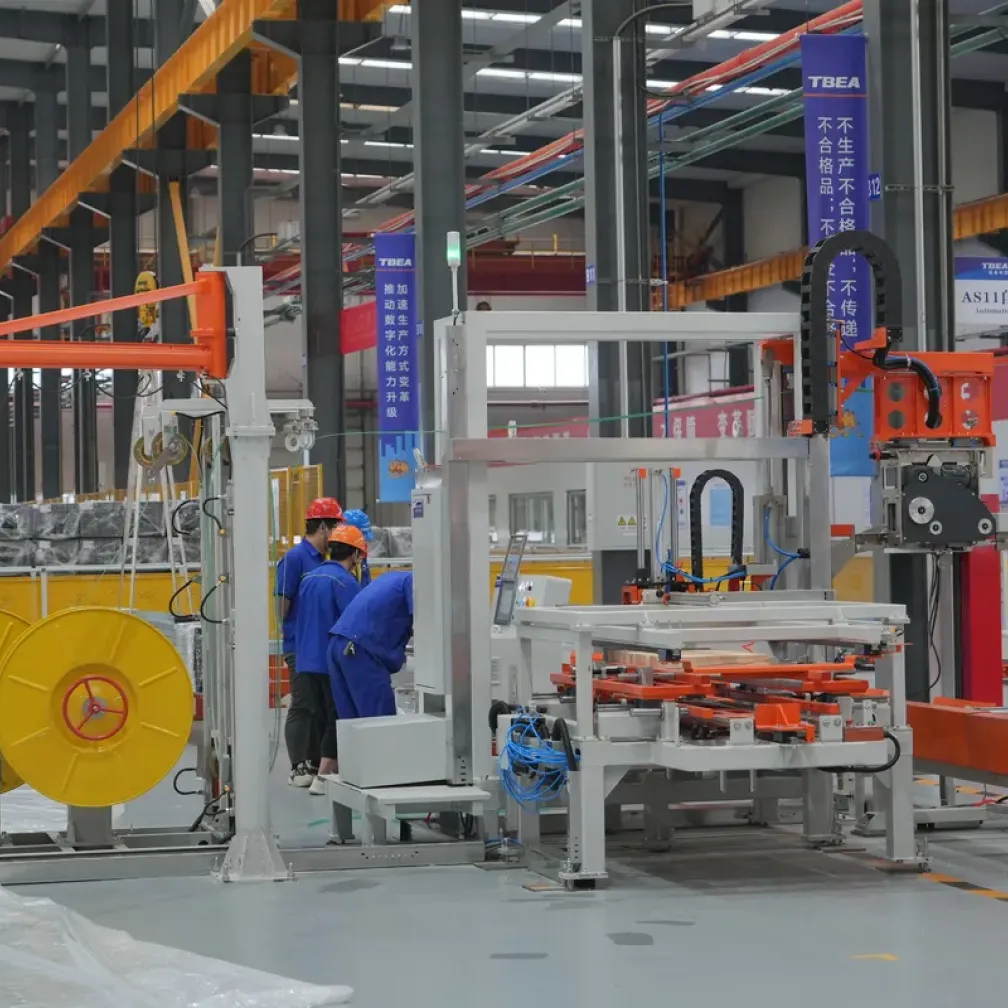
Unlike a perforated tray, which leaves one mill as a finished product, a cable ladder is an assembly of two roll-formed parts. The line is organized accordingly. A rail forming section produces the side rails: strip is leveled, punched with rung fixing holes, splice plate holes and earthing holes, then formed to the rail profile and cut to section length. A rung station forms the cross-members, which are typically C-shaped or hat-shaped profiles. An assembly station then joins rails and rungs at the specified spacing, by riveting, bolting or welding according to the product design. Rail height, ladder width and rung spacing all follow the product drawing, and size changes inside the covered range are adjustments rather than tooling replacements.
Cable Ladder, Perforated Tray or Trunking
The three cable support types divide the market by load and ventilation demand. Cable ladder carries the heaviest cable bundles across the longest spans and offers maximum ventilation, at the cost of the least cable protection. Perforated tray balances support, ventilation and protection for mixed power and data routes. Trunking encloses cables fully where protection matters most. Producers serving electrical contractors usually carry at least two of the three types, and the rail, rung and tray lines share strip, punching and cut-off technology, so a factory can build the range step by step starting from the type its market buys most.
Materials for the Installation Environment
Ladder tray often works outdoors: on pipe racks, along plant corridors and across solar farms. Material choice follows exposure. Pre-galvanized strip covers indoor plant rooms. Hot-dip galvanized strip serves general outdoor routes. Aluminium ladder reduces weight on long spans and performs well in coastal air. Zinc-magnesium coated strip extends service life where humidity and chemical exposure are high. Roller and die surfaces on the line are prepared for coated strip, so the protective layer survives forming and punching.
Main Applications
- Main power cable routes in power stations and substations
- Petroleum, chemical and heavy industrial plants
- Solar farms and new energy installations
- Rail transit and infrastructure projects
- Data center power distribution routes
What To Prepare Before Requesting a Quote
- Ladder drawing with rail profile, rail height, width and rung spacing
- Rung profile and the assembly method of the product design
- Strip material, thickness and coating for the target market
- Size mix and monthly output target
- Site power supply and preferred automation level
FAQ
What is the difference between a cable ladder and a perforated cable tray?
A cable ladder is two side rails joined by rungs: maximum load capacity and ventilation for heavy power cables on long spans. A perforated tray is a U-shaped body with a punched bottom for mixed power and data routes. The ladder needs rail forming, rung forming and assembly; the tray forms as one piece. This page covers the ladder line.
How are the rungs fixed to the rails?
Assembly follows the product design: riveting and bolting are common where sections must resist transport handling, and welding is used where the market accepts welded joints. The assembly station is configured to the specified method at order stage.
Which ladder sizes can one line cover?
Rail height, ladder width and rung spacing are built to the customer drawing. Size changes inside the covered range are made by adjustment, so one line serves a project-based order book with several ladder specifications.
Can the line run coated strip?
Yes. Pre-galvanized, hot-dip galvanized, aluminium and zinc-magnesium strip are all standard materials on this line, with roller and die surfaces prepared to protect the coating through forming and punching.
What delivery and installation terms apply?
Standard configurations ship in 30-45 days and customized lines in 60-90 days, after a factory trial run with production material. THRONCH engineers install and commission the line on site and train the operating team before handover.