Guardrail beams are a standards business: road authorities buy to a specification, and every beam must be interchangeable regardless of when it was produced. Equipment for this industry must hold wave profile and hole position on high-strength strip, shift after shift.
National highway programs order two-wave W-beams in project volumes, typically in four thousand three hundred twenty millimeter lengths with two-meter post spacing. A line running eight to twelve meters per minute produces about three beams per minute to keep pace with installation crews.
Bridges and elevated roads specify three-wave thrie-beams at five hundred six millimeters wide for lower deflection. The same line produces both profiles with a roll-set change.
Medians and heavy-vehicle routes call for higher containment classes under EN 1317 or MASH test levels. Strip up to four point five millimeters and high-strength grades cover these specifications.
Municipal and rural programs order shorter runs and mixed lengths. Recipe control stores each beam length and hole pattern, so small batches change over in minutes.
Existing two-wave barriers upgrade to three-wave on dangerous sections. Producers serving retrofit markets need both profiles available without a second line.

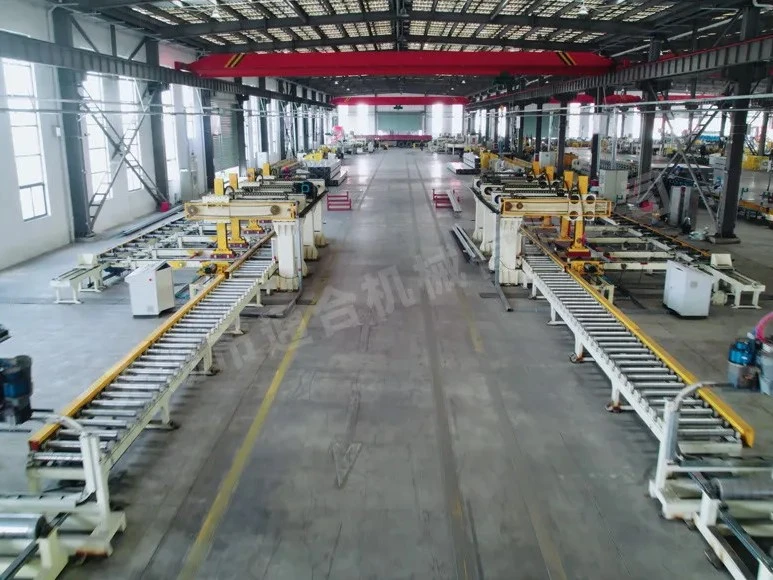
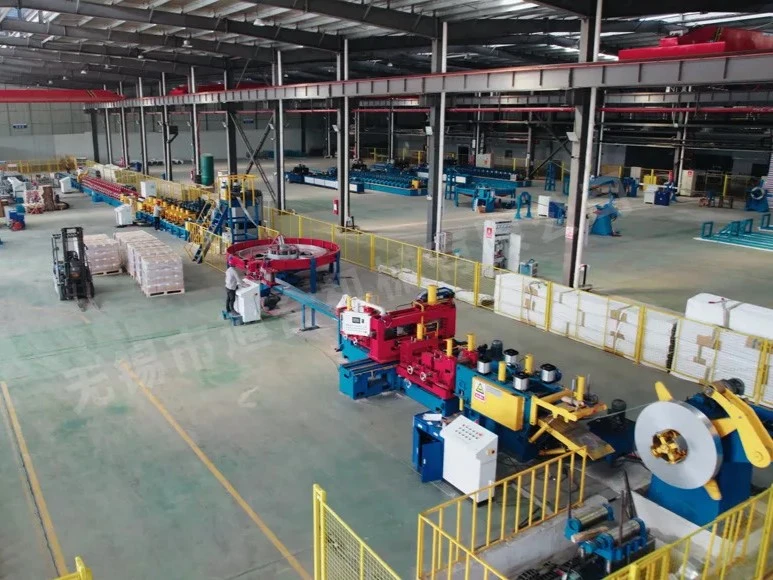
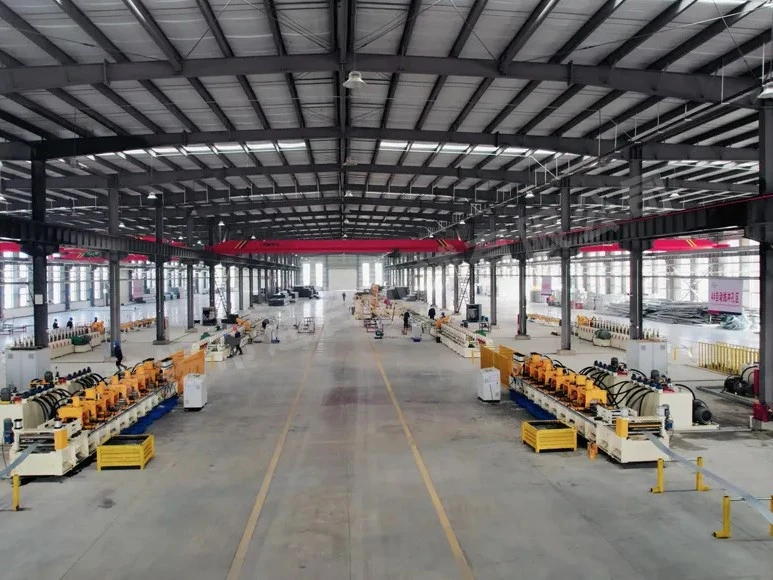
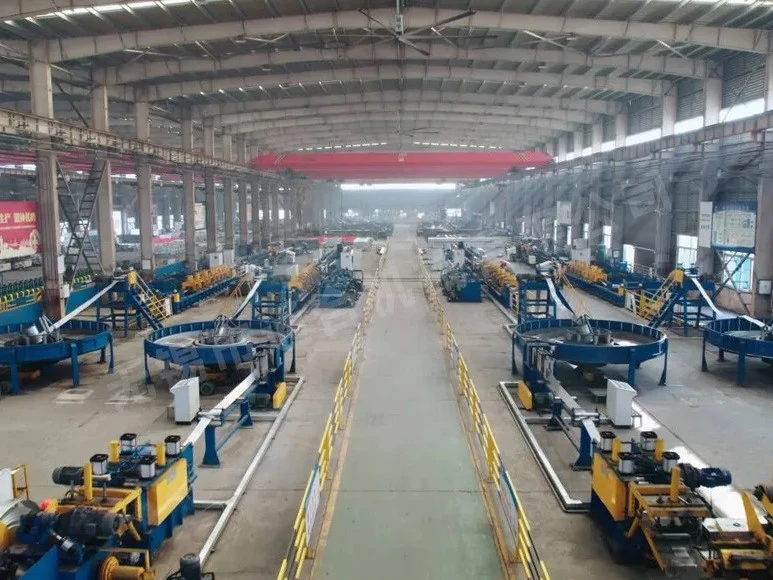
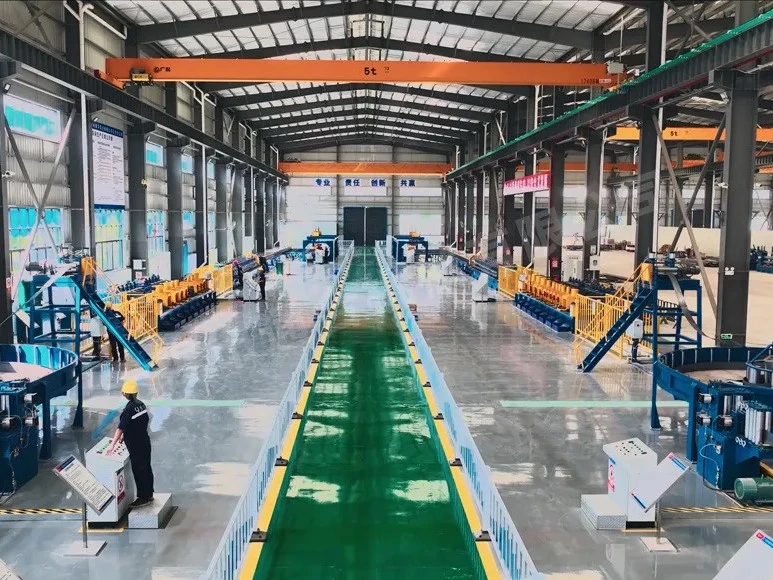
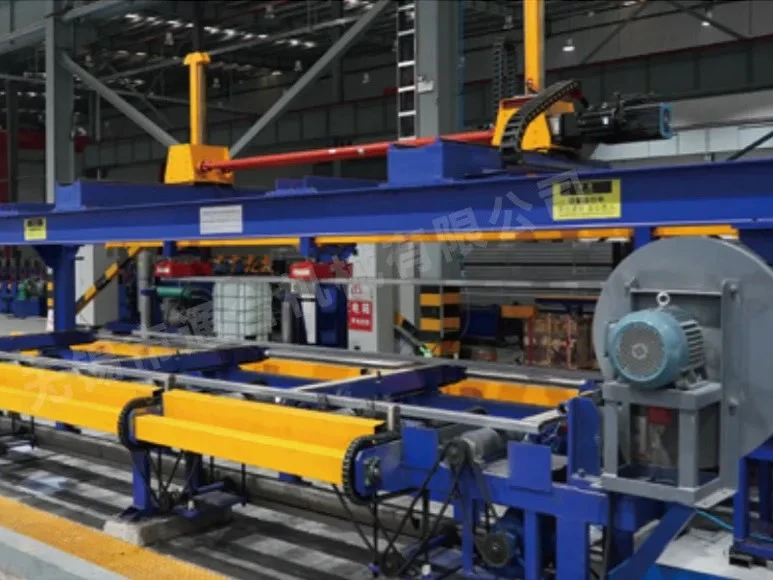
Wuxi Tonghe Machinery manufactures cold roll forming equipment in Wuxi, China. Since 2011, the company has built CZ purlin machines, PV bracket lines, guardrail lines, cable tray lines and custom profile lines for customers in over 30 countries. The factory covers about 30,000 m² and employs 200+ staff, including a 50+ R&D team. Production is ISO9001 certified and products carry CE marking.
About Us Certifications Engineering Cases
Yes. Both profiles run on the same frame, drive, punching and stacking systems with dedicated roll sets. Switching between them is a planned roll change measured in hours.
Strip from two to four point five millimeters and up to four hundred eighty millimeters wide, in Q235, Q355, S355MC and high-strength Q700HL grades. Rollers are hardened to HRC58-63 for these materials.
Lines are configured to AASHTO M180 for North American markets, EN 1317 containment classes for Europe, and regional standards per your contract drawings.
Yes. Splice holes at the beam ends and post holes along the length are punched while the strip is flat, before forming, with servo positioning holding location accuracy at full speed.
Standard speed is eight to twelve meters per minute on three to four millimeter strip, about three standard beams per minute. Higher-speed layouts are available for thin-gauge volume programs.
Standard beams in four thousand three hundred twenty, four thousand one hundred thirty and three thousand eight hundred ten millimeter lengths are programmed on the touch screen, and custom lengths are set by entering the dimension.
Send the beam drawings or the governing standard, strip thickness and grade, hole patterns, target tonnage and plant voltage. We specify the mill, punching units and layout against these items.
A guardrail line is a standards business investment. The beam profile, the steel grade and the hole patterns all come from the governing specification, so the machine must be configured to your market before anything else. This guide covers the checks worth making.
AASHTO M180 fixes beam dimensions, base metal thickness and zinc coating for North American work, while EN 1317 defines containment classes in Europe, and MASH test levels govern the crash performance of the installed system. Share the standard and the contract drawings first, and the mill, punching and cut-off are specified from them.
Modern beams use S355MC and Q700HL strip at two to four point five millimeters to raise containment without adding weight. Forming these grades needs hardened rollers, heavy shafts and gearbox drive, and machines sized for mild steel will not hold tolerance on them. State your full grade and thickness range when you request a quotation.
Highways run two-wave W-beams, and bridges and medians run three-wave thrie-beams. A platform that produces both with a roll-set change covers more tenders from one investment, and the shared stacker and punching units keep the second profile inexpensive to add.
Most road standards require hot-dip galvanizing after fabrication, so beams are formed and punched in black strip and coated afterward. Check if your market accepts pre-galvanized strip, because that decision shapes material flow and supplier contracts.
Five items let us specify a guardrail line correctly: beam drawings or the governing standard, strip thickness and grade, hole patterns, target tonnage, and plant voltage. With these confirmed, the configuration, roll sets and layout are quoted against your production plan.
We're THRONCH, a direct factory in Wuxi, China, building custom roll forming lines for purlins, highway guardrail, cable tray, strut channel, and welded tube. Send us your profile drawing and get a line proposal within 24 hours.
Talk to our engineers