Cable trays route and protect power and communication cables inside buildings, and every commercial project needs them in volume. Tray sizes and hole patterns follow the electrical design, so a cable tray making machine must produce exactly to drawing, batch after batch.
Office towers, shopping centers and hotels route power and data cables through tray systems in ceilings and shafts. Project orders mix several tray widths, which the line covers with profile tooling built to drawing.
Communication cabling uses lighter trays with consistent hole patterns for fixing and grounding. Punching units place the holes per drawing, so trays arrive ready to install.
Electrical contractors install tray systems across whole buildings. Straight profiles and clean cut ends from the line speed up installation and reduce rework on site.
Factories and process plants run long tray routes for power and control cables. Galvanized trays formed from coil give the corrosion resistance these environments need.
Data centers pack dense cable runs into tray systems above the racks. Consistent tray dimensions matter when thousands of meters must align across the hall.

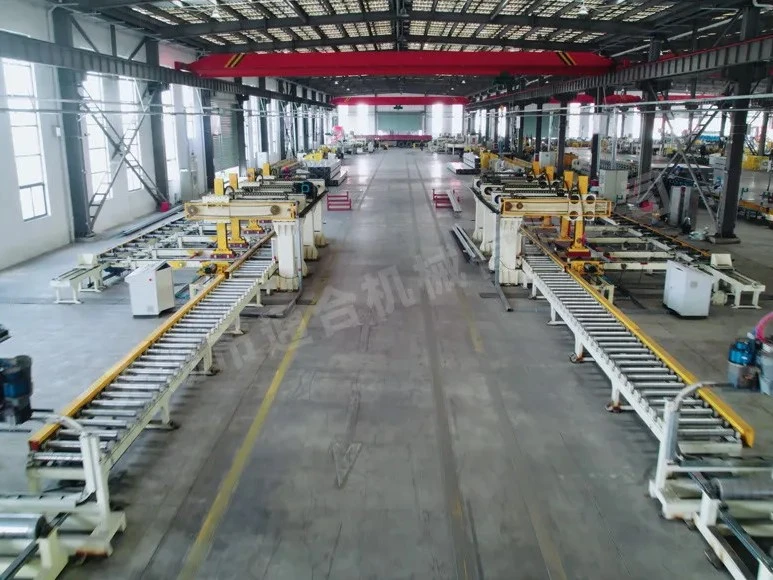
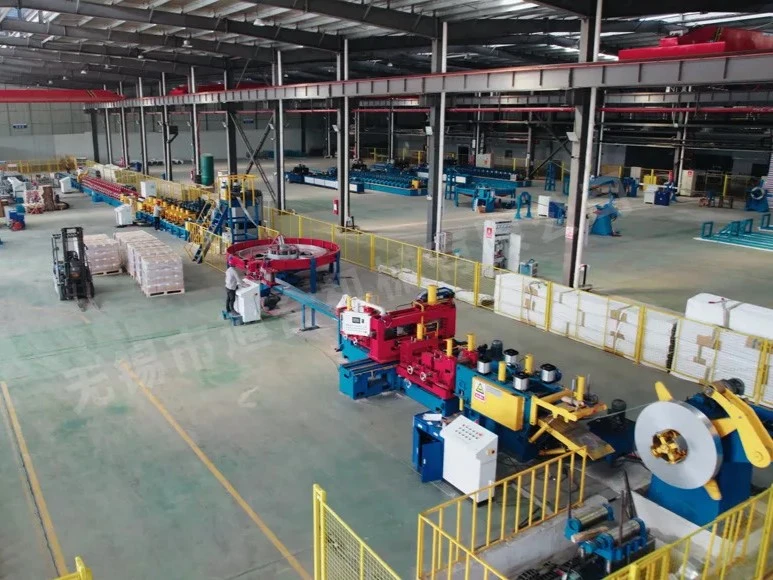
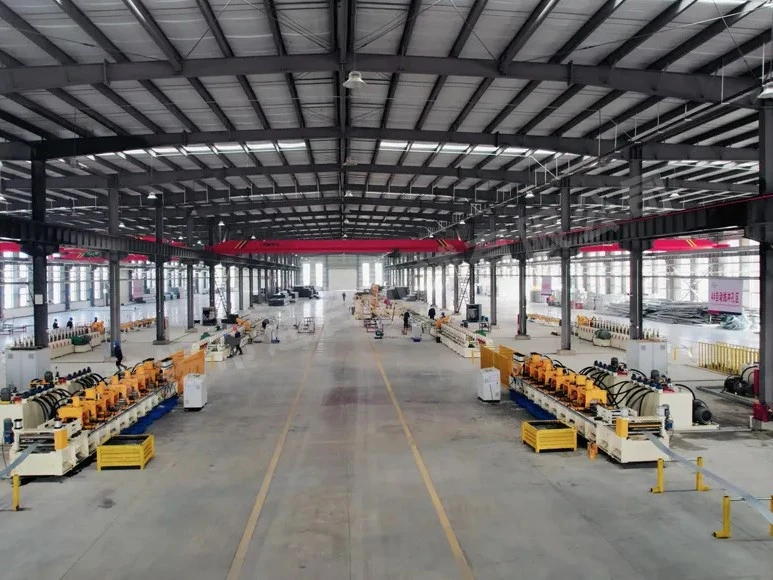
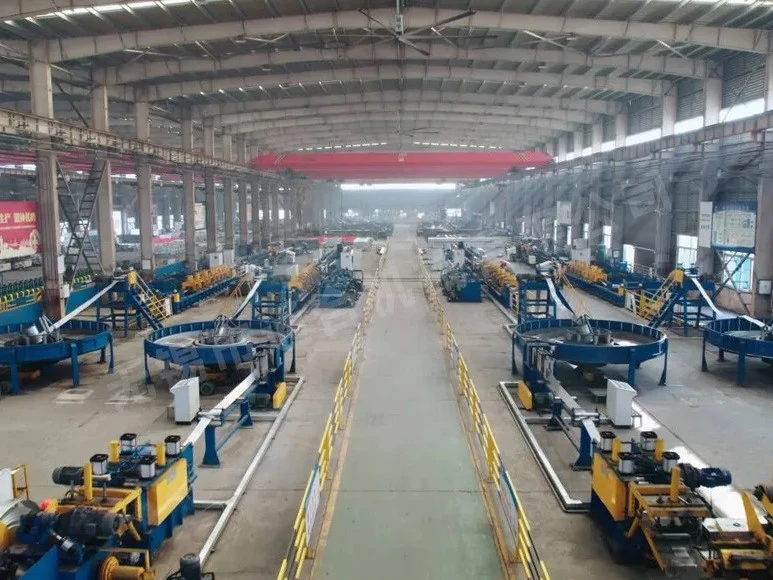
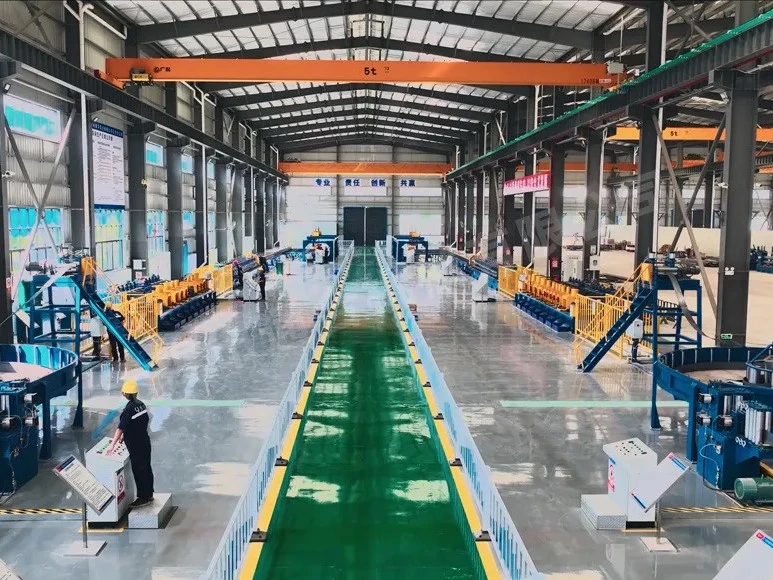
Wuxi Tonghe Machinery manufactures cold roll forming equipment in Wuxi, China. Since 2011, the company has built CZ purlin machines, PV bracket lines, guardrail lines, cable tray lines and custom profile lines for customers in over 30 countries. The factory covers about 30,000 m² and employs 200+ staff, including a 50+ R&D team. Production is ISO9001 certified and products carry CE marking.
About Us Certifications Engineering Cases
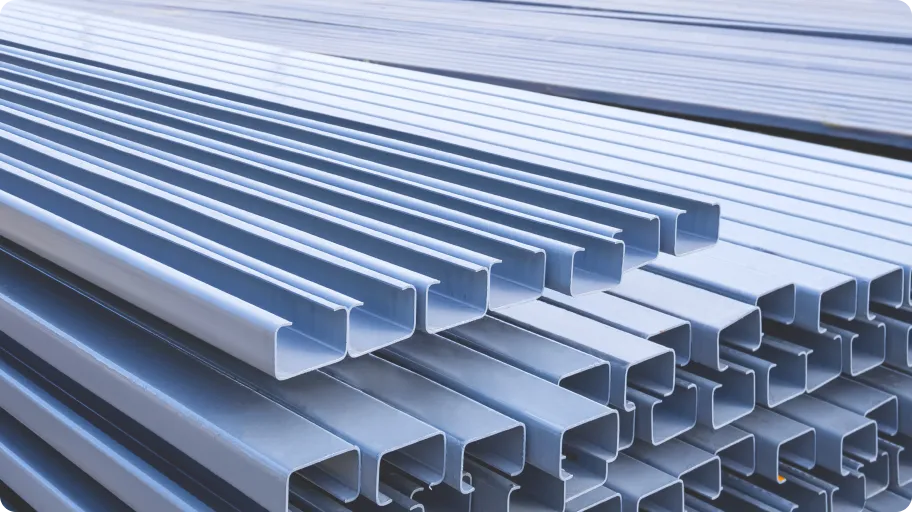
CU channels and cable tray body profiles, with sizes built per customer drawing. Ladder, perforated and solid-bottom tray sections are tooled according to the profiles in your product range.
Line speed sets between one and thirty meters per minute depending on the profile size, material and punching work. The speed for your tray specification is confirmed before quoting.
Yes. Holes are punched per drawing. Punching units are positioned for your hole pattern, and the PLC stores each tray specification so repeat orders run the same pattern again.
Yes. OEM cooperation is available for equipment brands and distributors, including machine appearance, branding and documentation under your label.
Galvanized steel strip is the standard tray material, and aluminium strip is supported for lighter or corrosion-resistant trays. Hot and cold rolled strip are also within the capability of the line.
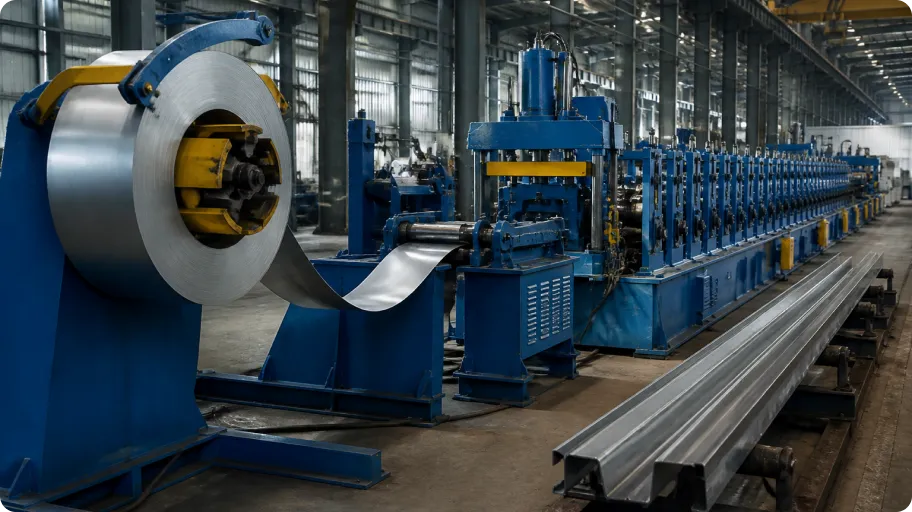
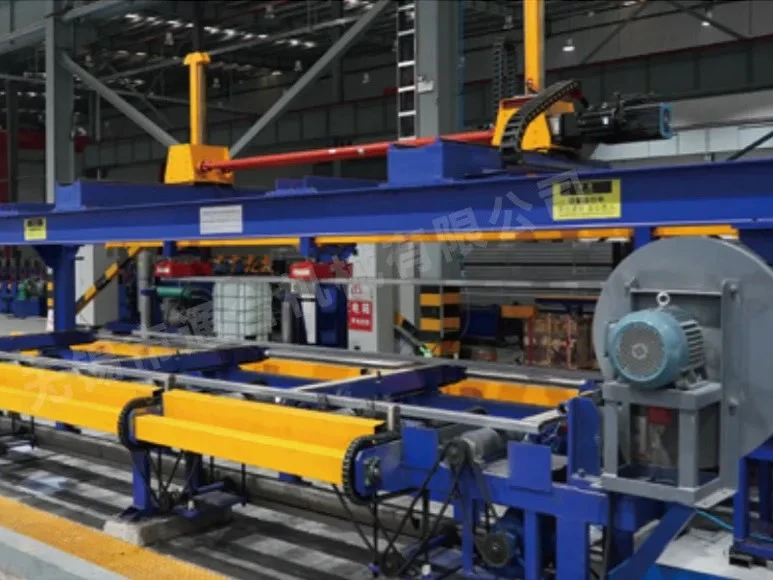
A tray line runs from automatic decoiling through leveling, punching, roll forming and hydraulic cutting, with a run-out table at the end. The configuration follows your tray profiles and output target.
Yes. Our service team handles on-site installation, commissioning and operator training at your plant, with remote video support after startup. The main machine is covered for twelve months and core components for eighteen months under warranty.
Cable tray is a volume product with project-specified dimensions, which makes the machine behind it a configuration question more than a catalogue choice. This guide covers the points worth checking before you order a line.
A cable tray roll forming machine forms tray body profiles and CU channels from steel or aluminium coil. The trays route and protect power and communication cables in commercial buildings, industrial plants and data centers. A cable tray forming machine works to drawings rather than fixed sizes, because every electrical design specifies its own tray widths, heights and hole patterns.
Tray systems connect through punched holes for coupling, fixing and grounding, and position errors multiply across thousands of meters of installed tray. Punching units on the line are positioned for your hole pattern, forming tolerance holds within half a millimeter, and the PLC stores each tray specification so repeat orders run identically. When you compare suppliers, ask how hole positions are controlled, because that answer tells you how the trays will fit on site.
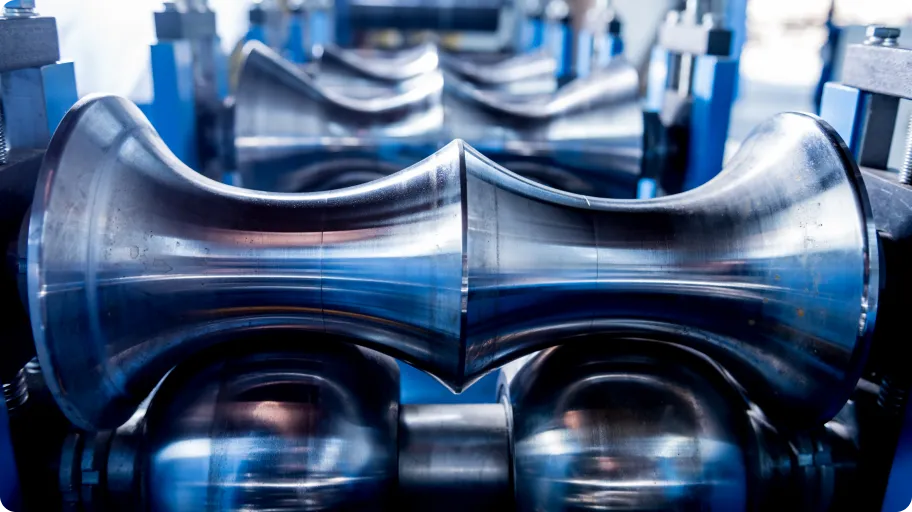
Galvanized strip is the standard tray material and suits most indoor installations. Aluminium serves projects where weight or corrosion resistance is the priority. The roller material decides how well a line handles both: rollers machined from Cr12MoV tool steel keep profile accuracy over long runs on either material.
Line speed sets between one and thirty meters per minute, matched to the profile size and the amount of punching in your tray. Commercial building demand comes in large batches across several tray widths, so real capacity depends on steady forming at speed and fast changeover between specifications, both of which should be confirmed against your product mix before ordering.
Equipment brands and distributors buying from cable tray forming machine manufacturers should check what comes under their label: machine appearance, branding, manuals and documentation can all be prepared to OEM requirements. Confirm the quality control behind the label as well, because your customers will hold your brand responsible for the line.
Six items let a manufacturer configure a tray line correctly: the profile drawing with dimensions, the tray size range, the hole pattern, the material and thickness, your target output, and your plant voltage. With these confirmed, the punching units, roller tooling and line speed are specified against your product instead of assumptions.
We're THRONCH, a direct factory in Wuxi, China, building custom roll forming lines for purlins, highway guardrail, cable tray, strut channel, and welded tube. Send us your profile drawing and get a line proposal within 24 hours.
Talk to our engineers