W-beam guardrails absorb vehicle impact and guide vehicles back to the lane, so profile accuracy and hole position decide how the barrier performs on the road. Our lines form two-wave and three-wave panels to your drawing, for road projects and for the barrier factories that supply them.
High-speed roads use long runs of two-wave and three-wave W-beam panels. A line running at ten to eighteen meters per minute matches the volumes that expressway projects order.
National, provincial and rural road programs order barriers in large batches across many regions. Recipe control on the PLC keeps hole positions consistent from batch to batch.
Urban road barriers follow municipal drawings with specific hole patterns and lengths. Servo punching holds connection holes within half a millimeter, so panels bolt up on site without reworking.
Bridge parapets use heavier strip than standard roadside barriers. Thick-plate forming up to five millimeters covers these sections on the same line configuration.
Barrier producers supply road contractors with panels made to different project drawings. One line that switches profiles and hole patterns by recipe serves this order mix without retooling.

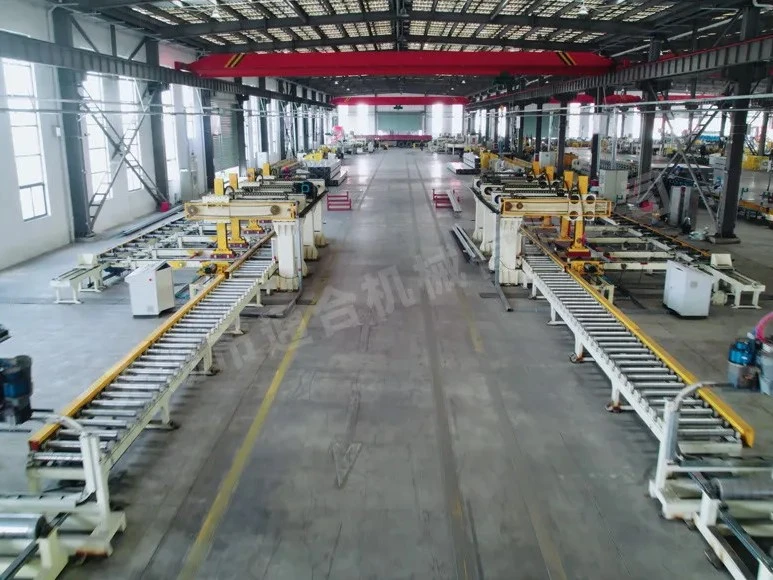
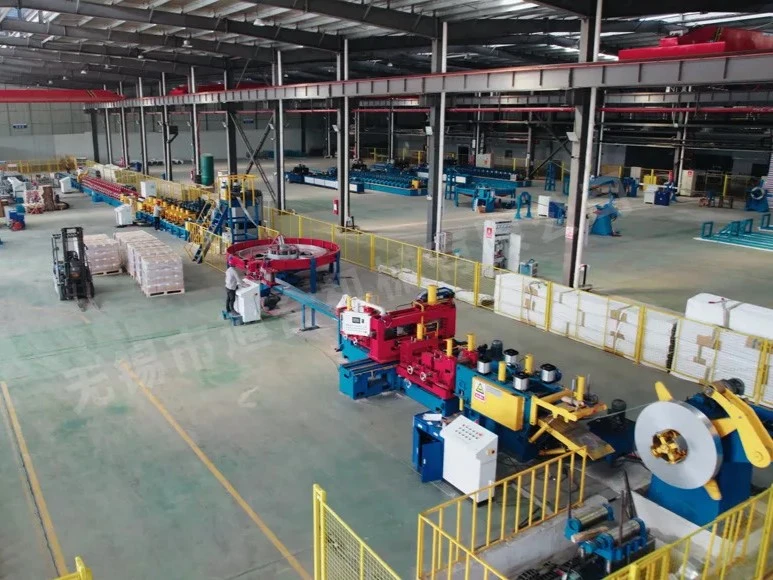
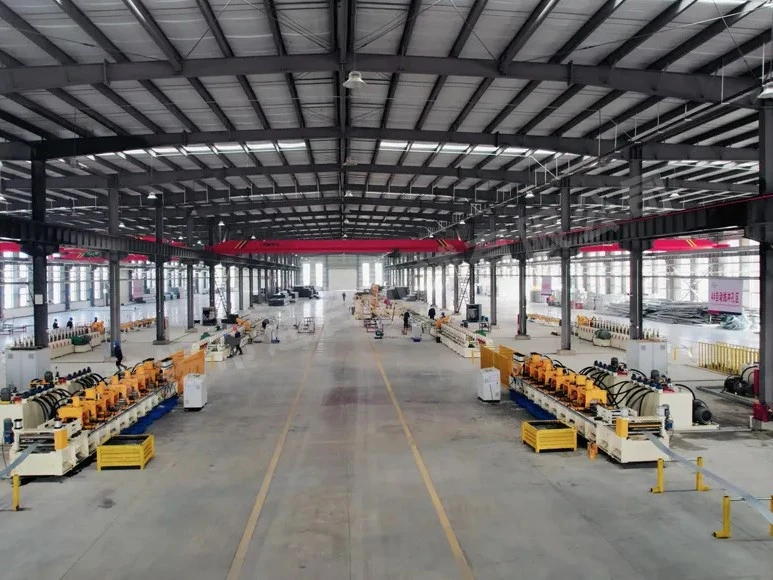
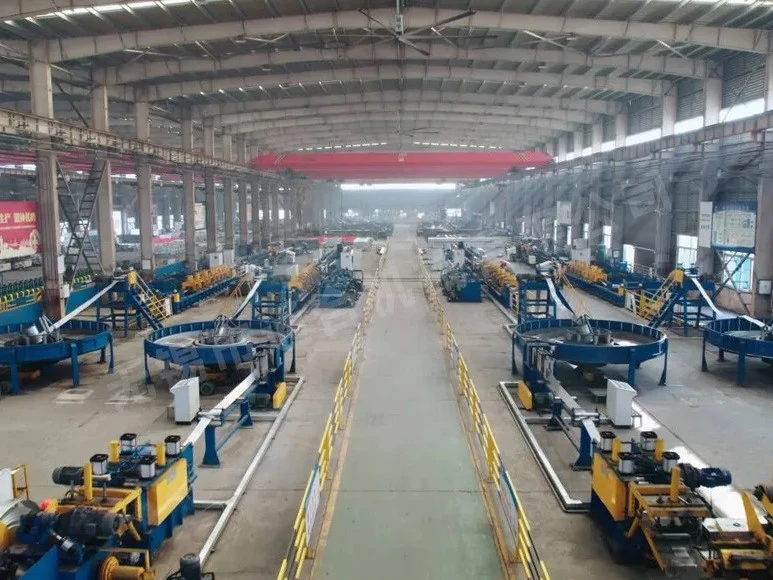
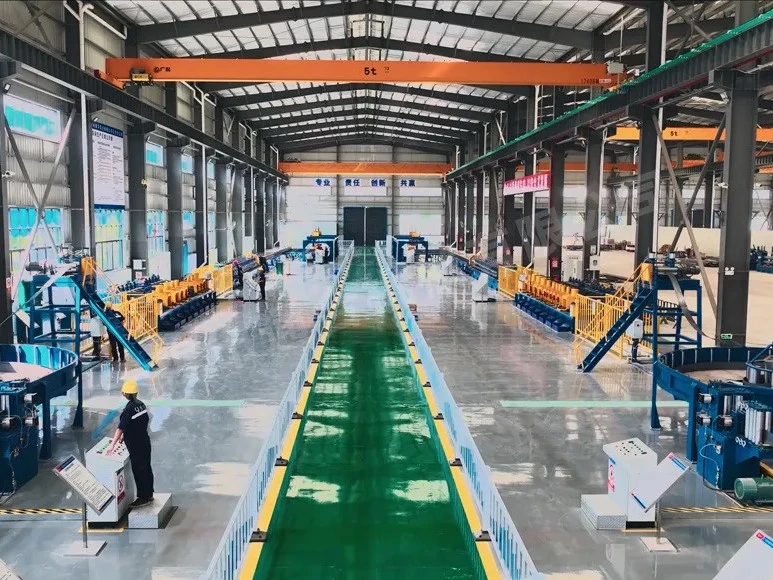
Wuxi Tonghe Machinery manufactures cold roll forming equipment in Wuxi, China. Since 2011, the company has built CZ purlin machines, PV bracket lines, guardrail lines, cable tray lines and custom profile lines for customers in over 30 countries. The factory covers about 30,000 m² and employs 200+ staff, including a 50+ R&D team. Production is ISO9001 certified and products carry CE marking.
About Us Certifications Engineering Cases
We build models for both profiles. Two-wave and three-wave panels use different roller sets, so each line is configured to the profile in your order. If you produce both, tell us your output share of each and we will plan the tooling accordingly.
The range covers strip from one to five millimeters. Heavy sections such as bridge parapets use the upper end of this range, and the frame and rollers are sized to your actual thickness during design.
High-speed models run at ten to eighteen meters per minute depending on the profile and thickness. Punching requirements affect the final line speed, which we confirm against your drawing before quoting.
Yes. Wave shape, panel width, hole positions and length are all manufactured per the drawings you provide. With servo punching, hole position accuracy stays within half a millimeter.
Q235 carbon steel and galvanized strip are standard, and higher grades such as Q345 are available on request. Material yield strength is confirmed during tooling design so the rollers match your strip.
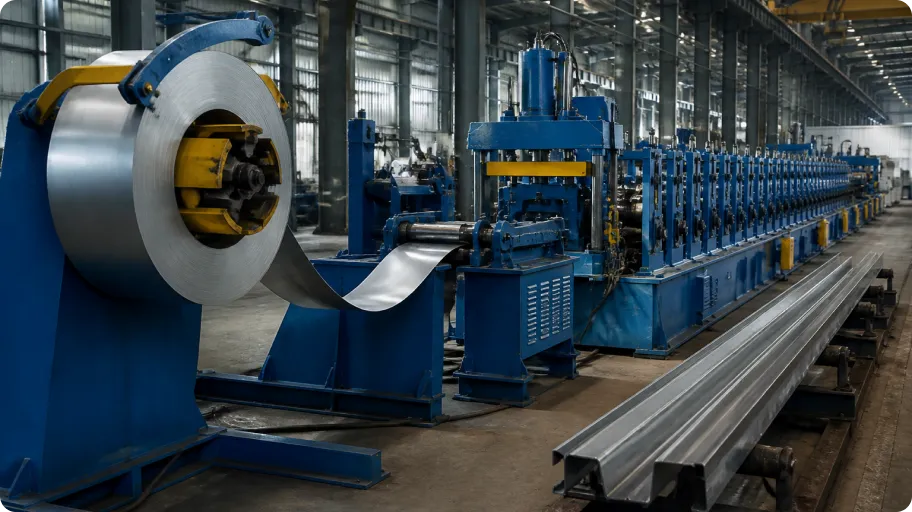
A guardrail line runs from decoiling and leveling through servo punching, roll forming and hydraulic cutting, ending with a run-out table or stacking unit. The configuration is set by your panel drawing and output target.
Yes. We send engineers to your plant for installation, commissioning and operator training, with remote video support after startup. The main machine carries twelve months of warranty and core components eighteen months.
A highway guardrail roll forming machine is bought by road project contractors and by barrier factories that supply them. The two buy differently, but both should check the same technical points before comparing prices.
Two-wave W-beam is the standard roadside barrier on national, provincial and rural roads in most markets. Three-wave panels give higher containment and appear on expressways, bridges and sections with heavier traffic. Road authorities publish the profile drawings their projects accept, and a w beam roll forming machine is built to those drawings, wave shape and hole positions included. Before you request quotations, collect the drawings of the standard you plan to supply.
Road barrier strip runs from one to five millimeters, mostly Q235 carbon steel with galvanized surface. Thicker strip for bridge parapets demands a heavier frame, larger shafts and more forming power, so the quoted machine must match your real thickness range, not the maximum a supplier wants to advertise. Rollers machined from Cr12MoV tool steel resist the wear that thick, high-tensile strip causes over long production runs.
A crash barrier machine in a barrier factory runs for volume. High-speed models form at ten to eighteen meters per minute, and real daily output depends on the punching work in your panel and on how often you change specifications. Recipe control on the PLC stores each specification, which keeps hole positions identical across batches and shortens the changeover between orders.
Guardrail panels bolt to posts through punched holes, and any position error shows up on the road. Servo punching holds hole positions within half a millimeter, and panel length is set on the same control screen. Hydraulic cutting keeps the panel ends clean at production speed, so panels arrive at the site ready to install.
Five items let a manufacturer specify a guardrail roll forming machine correctly: the profile drawing with wave shape and dimensions, strip thickness and material grade, the hole pattern, your target output, and your plant voltage. With these on hand, the roller set, punching unit, forming power and line speed are all confirmed against your product instead of assumptions.
We're THRONCH, a direct factory in Wuxi, China, building custom roll forming lines for purlins, highway guardrail, cable tray, strut channel, and welded tube. Send us your profile drawing and get a line proposal within 24 hours.
Talk to our engineers