Standard sections have standard machines. Special-section profiles need a line designed around the drawing. Custom metal sections serve construction, storage and machinery industries, and every project here starts with a profile review before any equipment is specified.
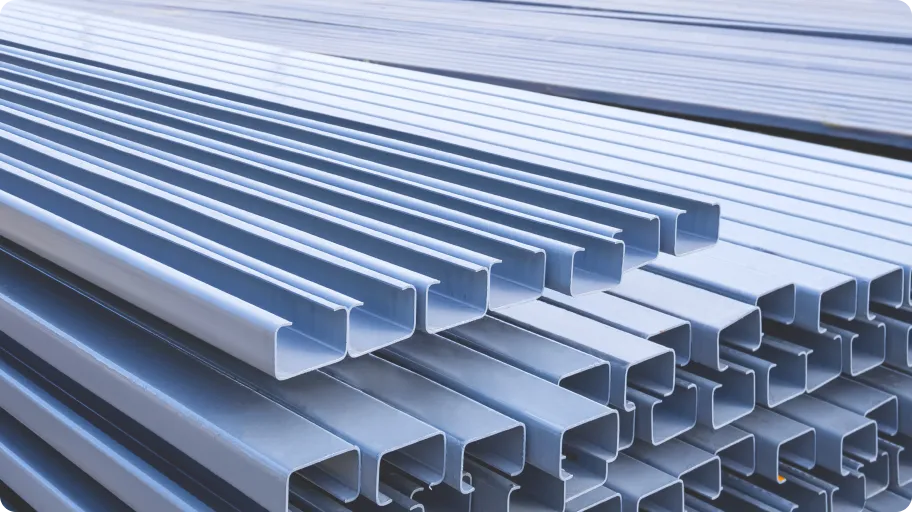
Building frames, supports and reinforcement sections use structural steel profiles in galvanized or black strip. The line is configured for the section depth and thickness your structure requires.
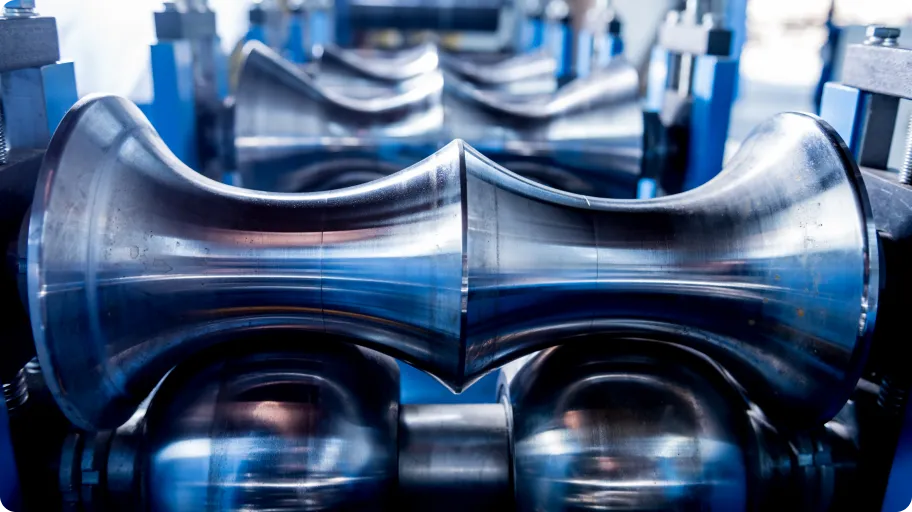
Profiles with several bends in one section need progressive forming across enough roller stations. We design the bend sequence and tooling for your drawing, including asymmetric sections.
When your product matches no standard machine, the line starts from your drawing. Section dimensions, hole positions and length are all built to the product you supply.
Shelving, racking and storage systems use custom uprights, beams and braces. High-volume orders suit an automatic line with punching and cutting set to your section.
Equipment frames and machine structures need metal sections in shapes that standard profiles do not cover. A custom roll forming machine produces these sections to your machinery design.

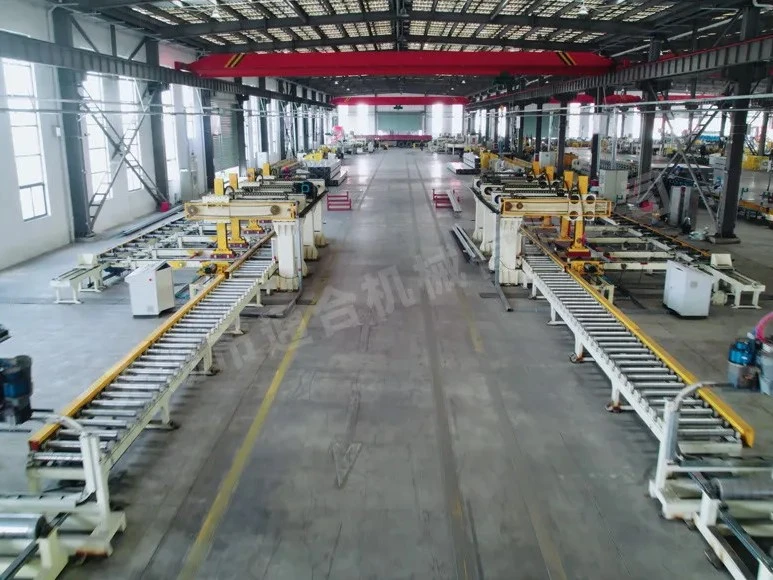
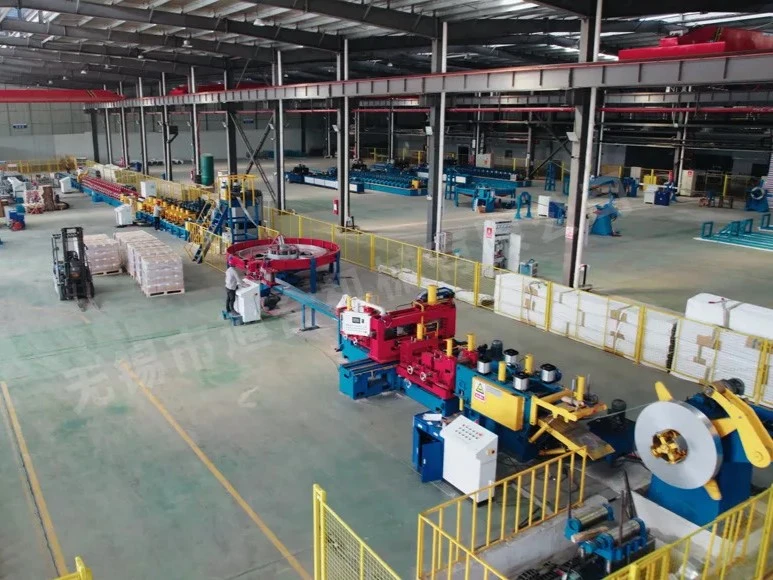
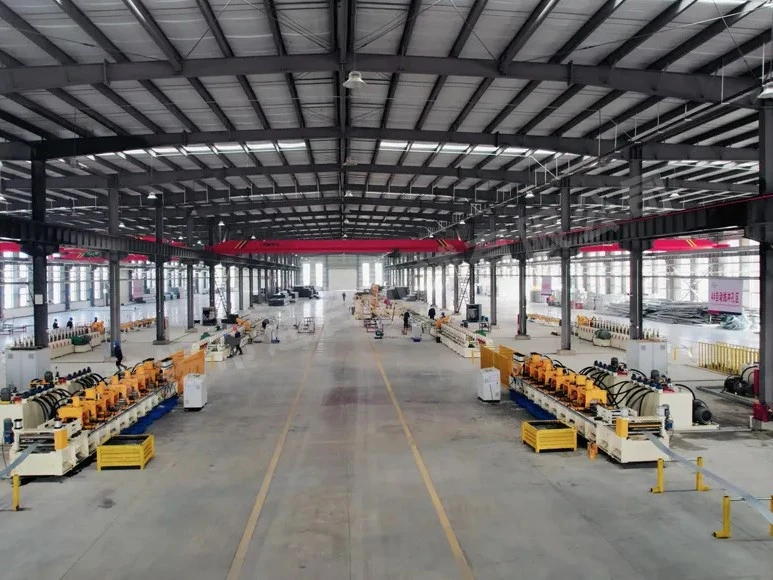
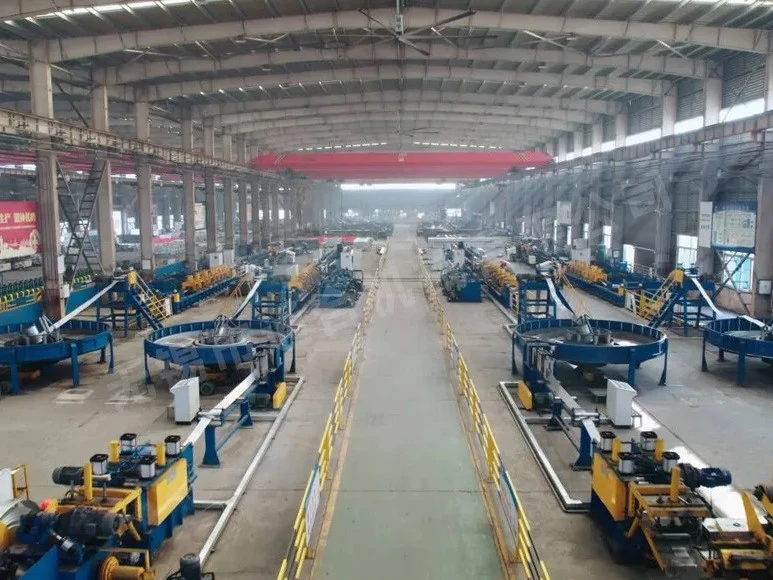
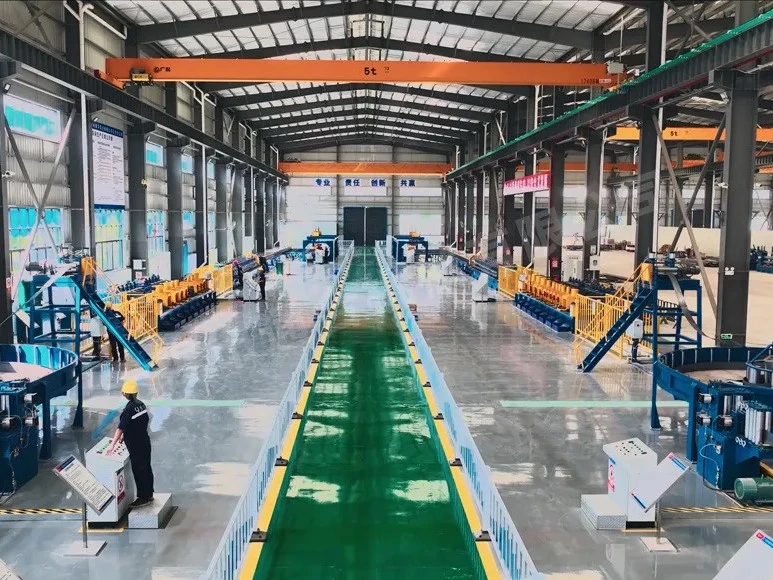
Wuxi Tonghe Machinery manufactures cold roll forming equipment in Wuxi, China. Since 2011, the company has built CZ purlin machines, PV bracket lines, guardrail lines, cable tray lines and custom profile lines for customers in over 30 countries. The factory covers about 30,000 m² and employs 200+ staff, including a 50+ R&D team. Production is ISO9001 certified and products carry CE marking.
About Us Certifications Engineering Cases
A profile drawing with all dimensions and tolerances, plus the material specification: grade, thickness and surface. With these we review the section and come back with a line configuration and a quotation.
Yes. Multi-bend sections are formed progressively across roller stations, and the bend sequence is designed for your drawing. Asymmetric and complex sections are reviewed by our engineers before we confirm feasibility.
Custom lines run from ten to thirty meters per minute. The final speed depends on the section complexity, material thickness and the punching work in your profile.
Each project is quoted per scope. After the section review we propose the line configuration: stations, punching, cutting and automation level. The quotation follows the confirmed configuration.
A custom line typically takes sixty to ninety days from confirmed drawings to shipment, depending on the section complexity and configuration. The schedule is fixed in the contract after design confirmation.
Galvanized steel, cold rolled and hot rolled strip, and aluminium are all within capability. Material grade and yield strength are confirmed during the section review so the tooling matches your strip.
Yes. Installation, commissioning and operator training are handled by our engineers at your site, with remote video support afterwards. Warranty terms: twelve months on the main machine, eighteen months on core components, with spare parts support after startup.
Buyers who search for a profile production line usually have a section that no standard machine produces. This guide explains how a custom line project works, so you know what to prepare and what to expect at each step.
Standard sections such as purlins, trays and guardrail panels have established machine designs. A metal profile production line becomes a custom project when the section is multi-bend, asymmetric, outside standard size ranges, or built for a product that exists only on your drawing. In these cases the machine cannot be selected from a catalogue; it has to be designed around the section.
Everything starts with your profile drawing and material specification. Engineers check the bend sequence, the number of bends, the material thickness and the tolerances you require, then confirm how the section can be formed and what the tooling will involve. This review happens before quotation, and it is where feasibility problems are caught early instead of after a deposit.
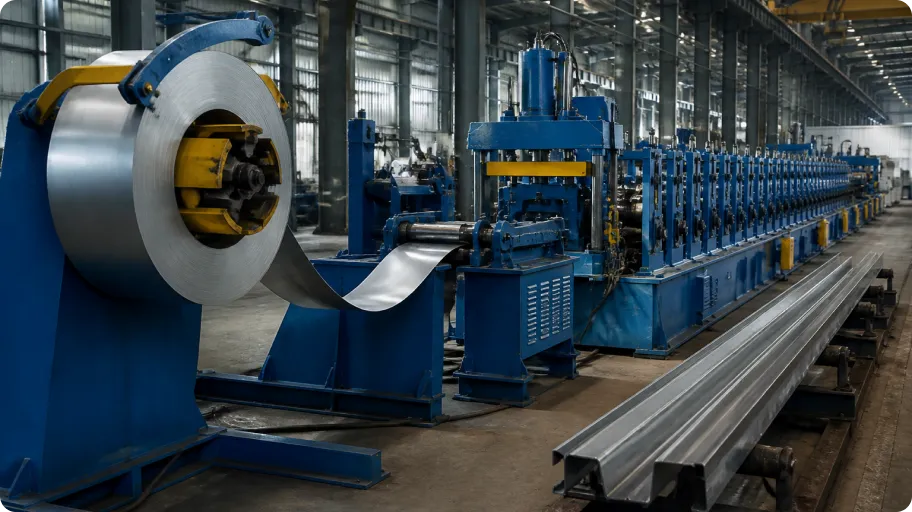
The configuration of a custom roll forming machine follows the section: the number of roller stations comes from the bend sequence, punching units come from your hole pattern, and the cutting type comes from your thickness and accuracy requirements. Machine parameters are tailored to the product you plan to sell, and the automation level is set against your target output. You receive the proposed configuration for confirmation before production starts.
Multi-bend sections are formed progressively, with each roller station adding part of the final shape. Thick structural steel profiles add forming force requirements and springback control to the tooling design. Both are routine engineering work for a manufacturer that designs lines per drawing, but they are the points where an inexperienced supplier fails, so ask to see comparable sections a supplier has tooled before.
A roll forming production line is tested as a complete line in the factory before shipment: decoiling, forming, punching and cutting run together on your material where possible. Custom lines typically take sixty to ninety days from confirmed drawings to shipment, and installation, commissioning and operator training are handled at your site after delivery.
Four items start a custom line project: the profile drawing with all dimensions and tolerances, the material specification, your target output, and your plant voltage. With these on hand, the section review and the configuration proposal move without rounds of clarification.
We're THRONCH, a direct factory in Wuxi, China, building custom roll forming lines for purlins, highway guardrail, cable tray, strut channel, and welded tube. Send us your profile drawing and get a line proposal within 24 hours.
Talk to our engineers