What a Door Frame Roll Forming Machine Produces
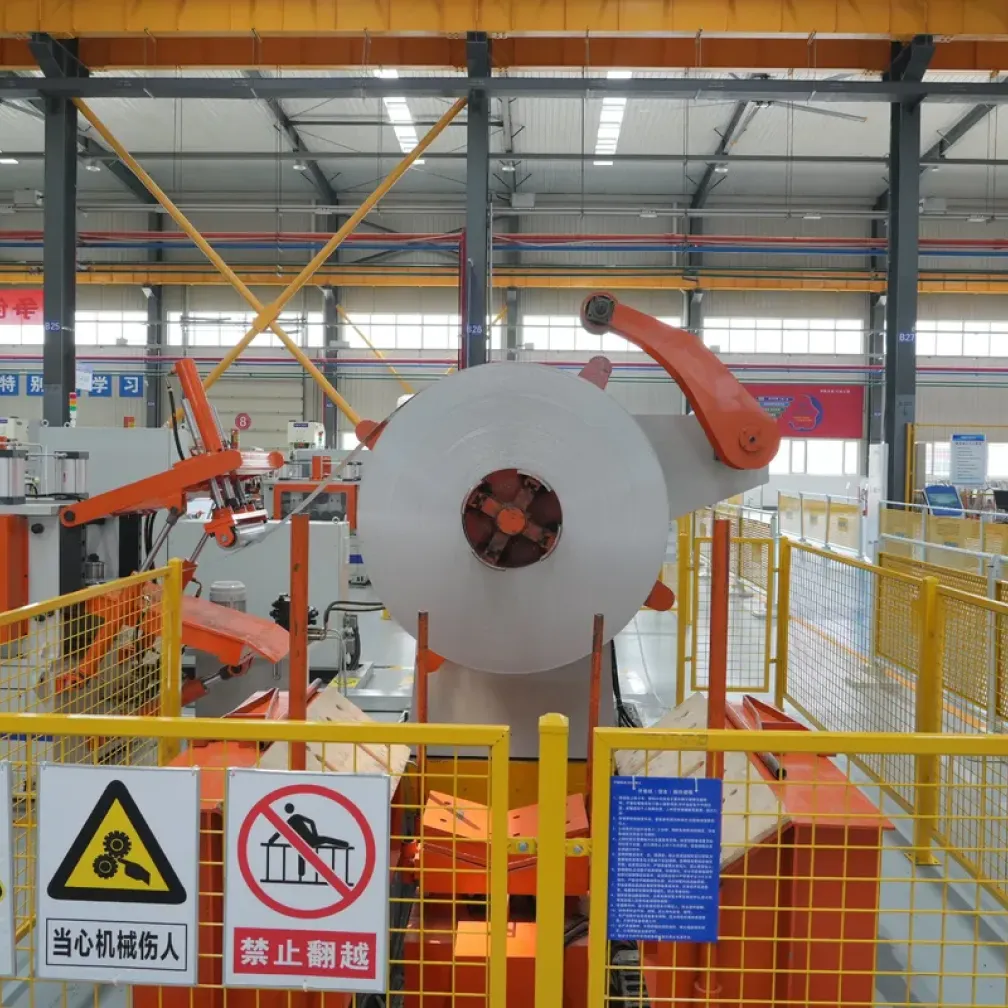
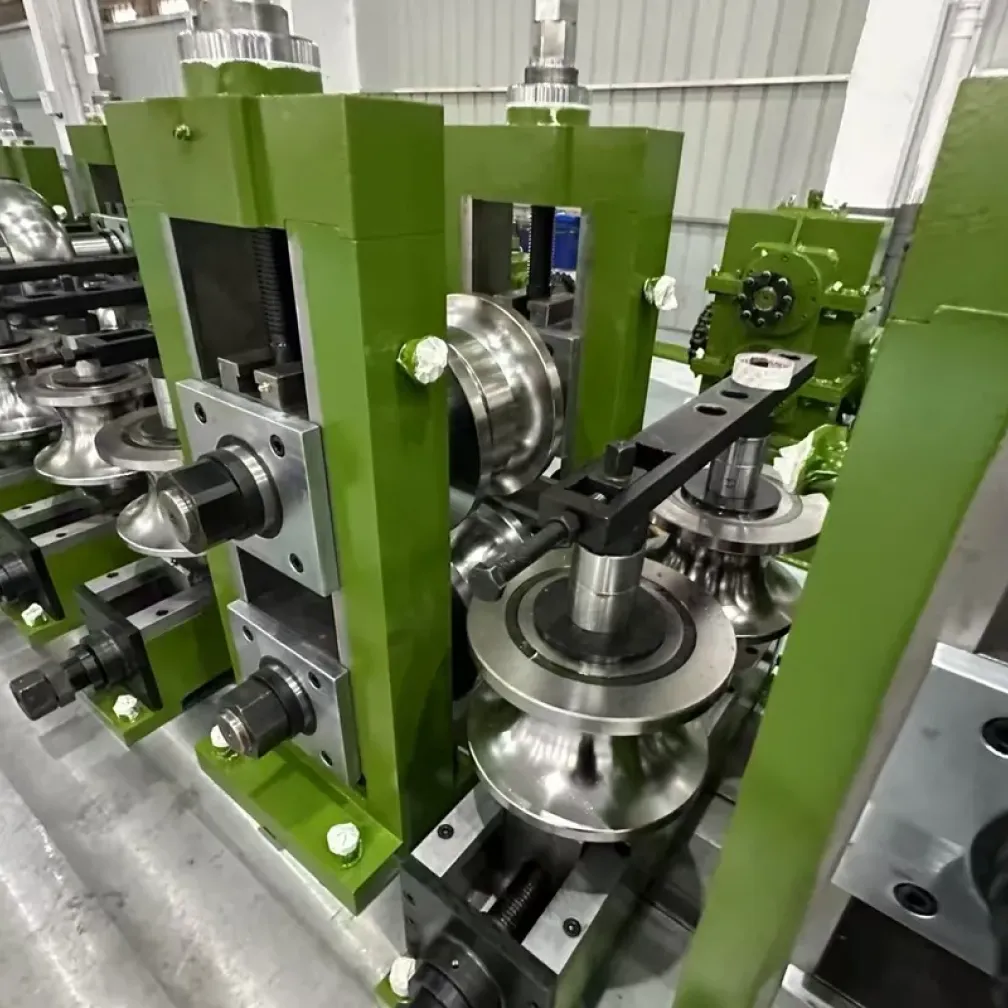
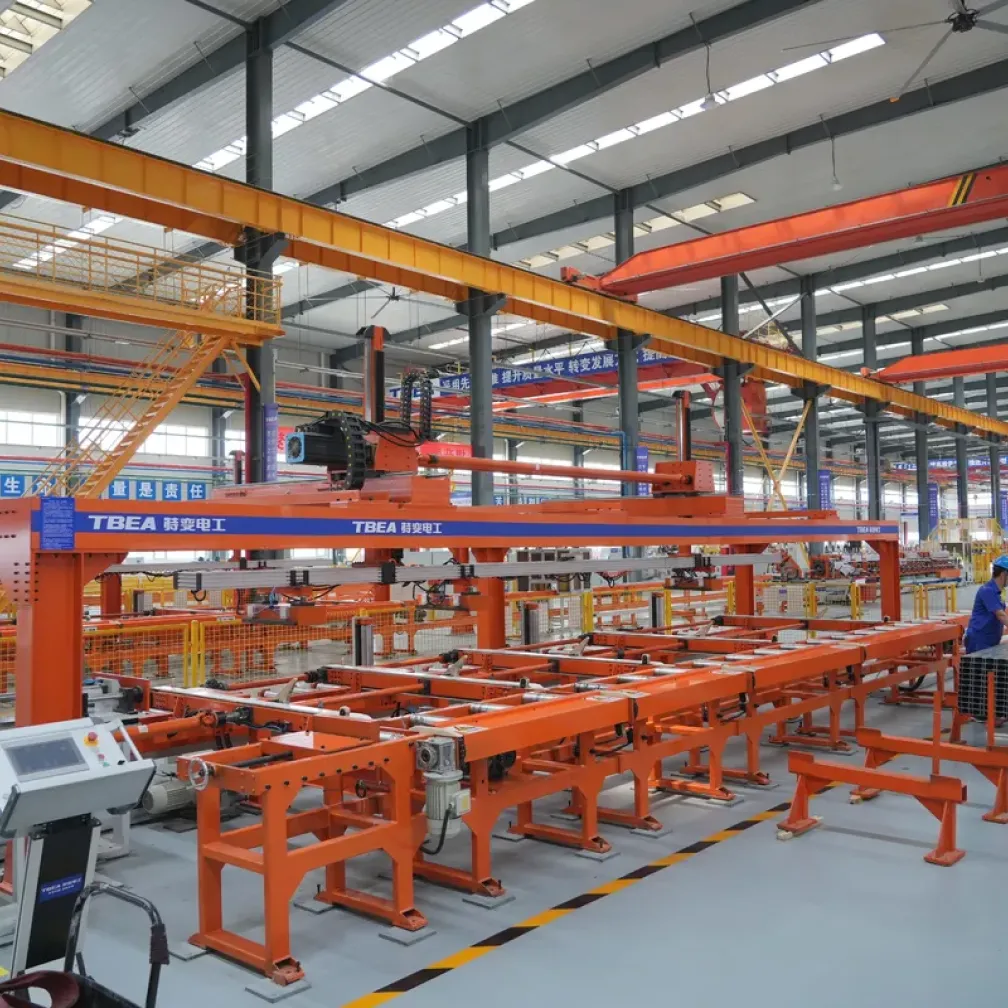
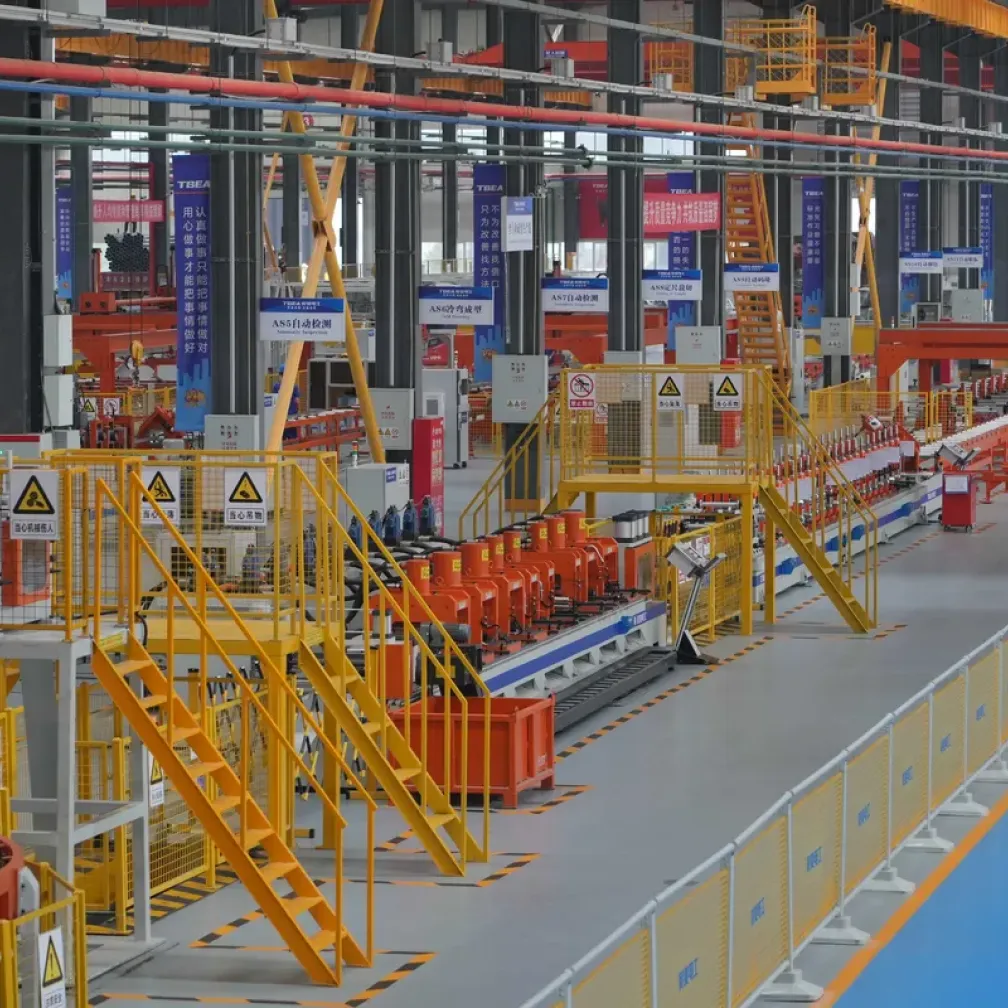
A steel door frame is a three-part assembly: two vertical jambs and a horizontal head, joined at the corners and anchored into the wall opening. The frame carries the hinges and the lock strike, so its profile accuracy decides how the finished door hangs, closes and seals. The machine on this page forms jamb and head profiles from 0.8-2.0 mm cold-rolled or galvanized strip in one continuous sequence: decoiling, leveling, punching of hinge and strike preparations, forming through 18-24 stations and cutting to frame lengths. The output is a knock-down frame that assembles on site with no further machining.
Single Rebate or Double Rebate
The rebate is the stepped recess in the frame profile against which the door leaf closes. A single rebate frame suits standard interior and exterior doors where the leaf closes against one step. A double rebate frame carries a second step, which improves sealing and acoustic performance and is common on fire-rated, security and exterior doors. Standard sample profiles on this line cover 105×60 mm and 125×60 mm single rebate frames and a 165×60 mm double rebate frame; project-specific sections are produced with custom tooling, and quick die change keeps multi-specification production practical.
Why Profile Accuracy Decides Door Quality
A door frame is a fitted product. Hinge positions set on the frame must land exactly on the hinge side of the door leaf, the rebate must run straight so the leaf seals evenly, and corner joints must close without gaps. Distortion of a few tenths of a millimeter shows up as uneven door gaps or a leaf that binds. This line holds profile accuracy within ±0.15 mm across the forming length, and the integrated punching places hinge, strike and anchor preparations before forming, so their positions stay fixed relative to the profile geometry. Material utilization of 95 percent and above keeps strip cost per frame low on high-volume programs.
Steel Frames Against Timber and Aluminum
Steel door frames dominate commercial, industrial and multi-unit residential construction because they outlast timber in humid and termite-prone climates, resist forced entry better than aluminum, and accept fire-rated door assemblies. Galvanized strip gives the frame corrosion protection through the wall construction phase, when frames sit exposed before doors are hung. For a door or building hardware producer, a roll formed steel frame program pairs naturally with steel door leaf production and shares the same strip supply chain.
Main Applications
- Metal door frames for residential apartments and housing projects
- Commercial building doors: offices, schools and hospitals
- Industrial facility and warehouse doors
- Fire-rated and security door frame programs
What To Prepare Before Requesting a Quote
- Frame section drawing with rebate design and corner joint details
- Hinge, strike and anchor preparation requirements
- Strip material, thickness and coating for the target climate
- Frame size list and monthly output target
- Site power supply and preferred automation level
FAQ
What is the difference between single and double rebate frames?
A single rebate frame has one step against which the door leaf closes, covering standard interior and exterior doors. A double rebate frame adds a second step for better sealing and acoustic performance, common on fire-rated and security doors. Both designs run on this line with their own tooling.
Can the line produce custom frame sections?
Yes. Sample profiles cover the common 105, 125 and 165 mm frame families, and custom sections are produced with dedicated tooling. Quick die change keeps several frame specifications economical on one line.
Are hinge and lock preparations done on the line?
Yes. Punching ahead of the mill places hinge, strike and anchor preparations in the flat strip, so their positions remain accurate relative to the finished profile. Frames leave the line ready for assembly without secondary machining.
Which strip material suits humid climates?
Galvanized strip is the standard choice where frames face humidity during and after construction. Cold-rolled strip suits dry interior programs and painted product lines. The climate and finish plan in the inquiry decide the material specification.
What delivery and commissioning terms apply?
Standard lines ship in 30-45 days and customized configurations in 60-90 days, after a trial run on the order strip. THRONCH dispatches engineers for on-site installation and commissioning, with operator training completed during the commissioning period.