What a Scaffolding Steel Plank Roll Forming Machine Produces
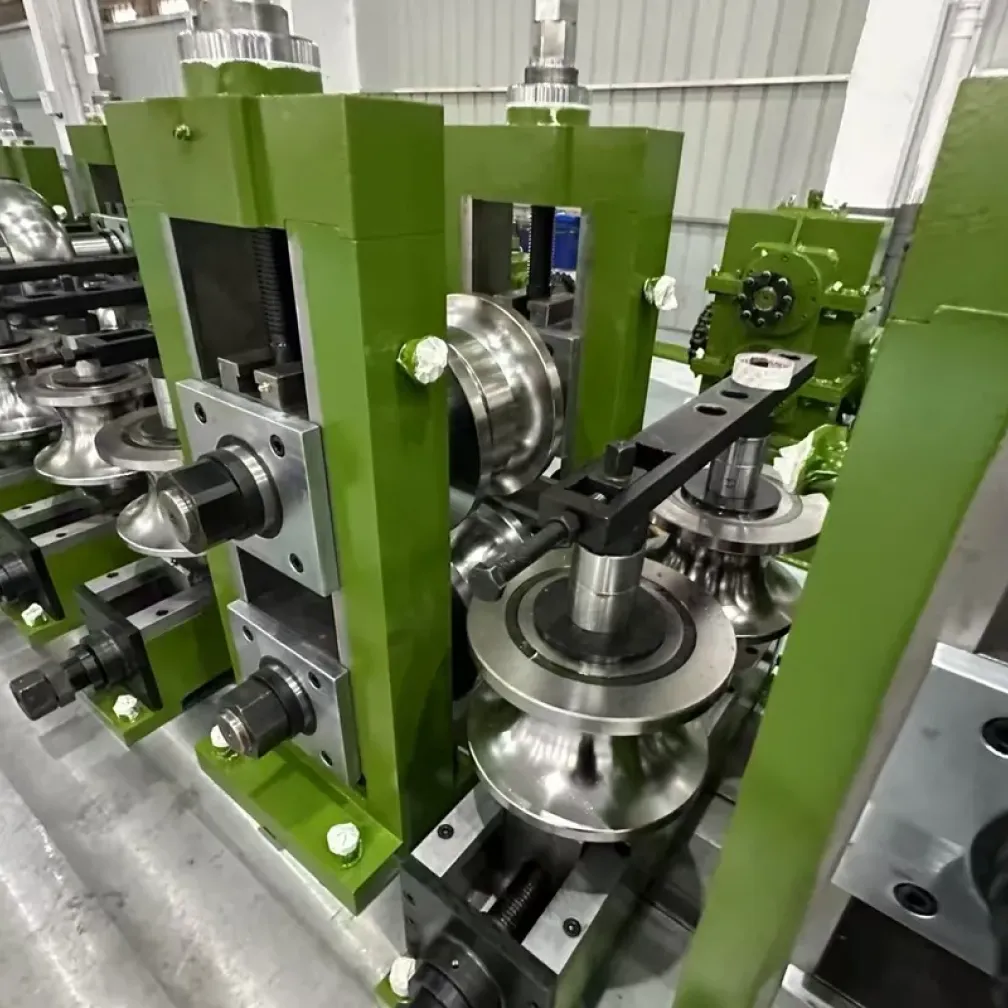
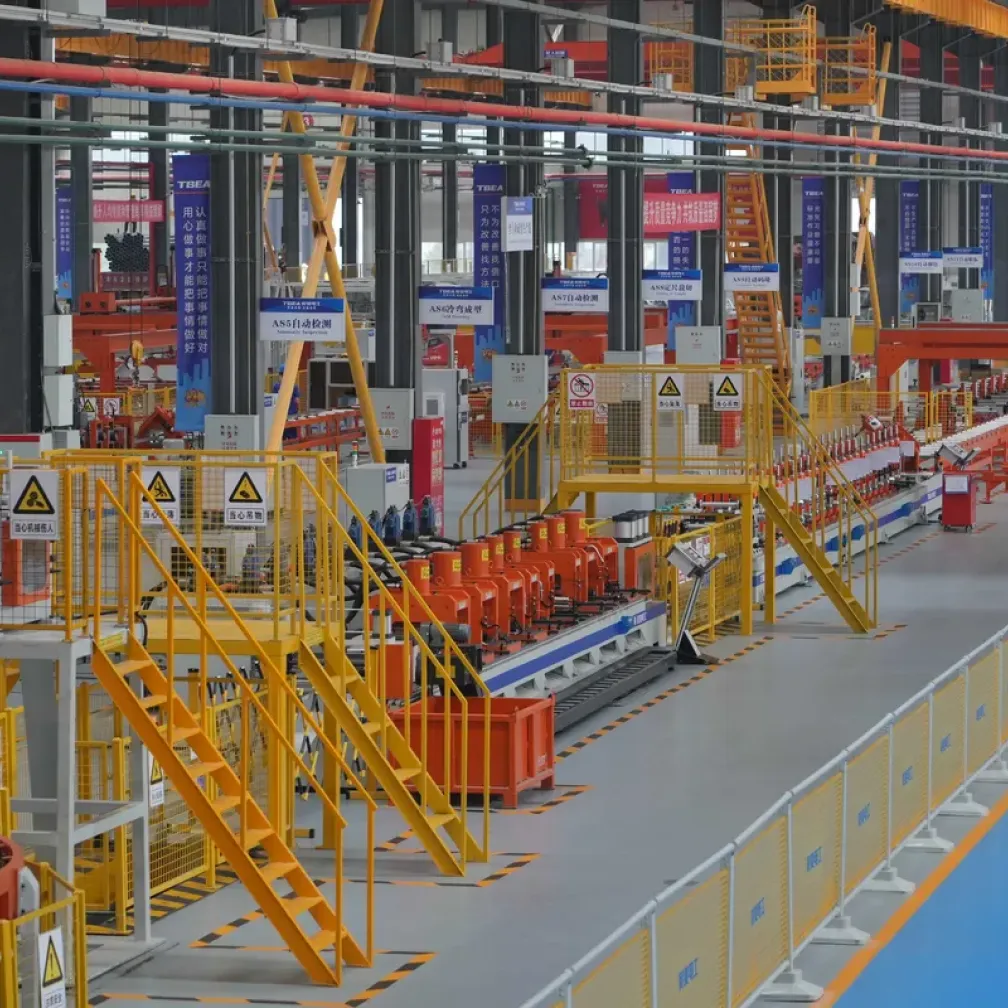
A scaffolding steel plank, also sold as a walk board or steel deck, is the working platform of a scaffold structure: a long box-profiled board with an anti-slip top surface that hooks or seats onto the transoms. Crews stand, walk and place materials on it at height, so the plank is a safety component with a defined load duty. The machine on this page forms planks continuously from strip: the anti-slip hole pattern and stiffening ribs are punched and formed inline, and finished boards are cut to system length, conveyed and stacked automatically.
Anti-Slip Punching Is a Safety Feature
The punched pattern on a steel plank does two jobs. The raised edges of the holes give boots a mechanical grip on wet, muddy or frosty boards, and the openings drain water and release debris instead of letting it accumulate on the walking surface. Pattern geometry, density and edge form follow the safety specification of the scaffold system, which is why the punching station matters as much as the forming mill on this line. High-speed punching suits long runs of one pattern; multi-station hydraulic punching covers heavier strip and combined hole and notch patterns. Dies are built to the plank drawing and exchange when the system standard changes.
Steel Planks Against Timber Boards
Timber scaffold boards warp, rot, absorb water that raises their weight, and fail without visible warning. Galvanized steel planks keep a constant section and rated capacity across years of reuse, survive fire and weather, and stack compactly between projects. Their higher purchase price amortizes across many deployments, which is why rental fleets and large contractors have largely converted to steel. For the producer, the market argument rests on consistent profile accuracy and surface durability, and both are set by the mill: ZAM coated strip extends board life further where fleets operate in coastal or high-corrosion regions.
Built for Fleet Quantities
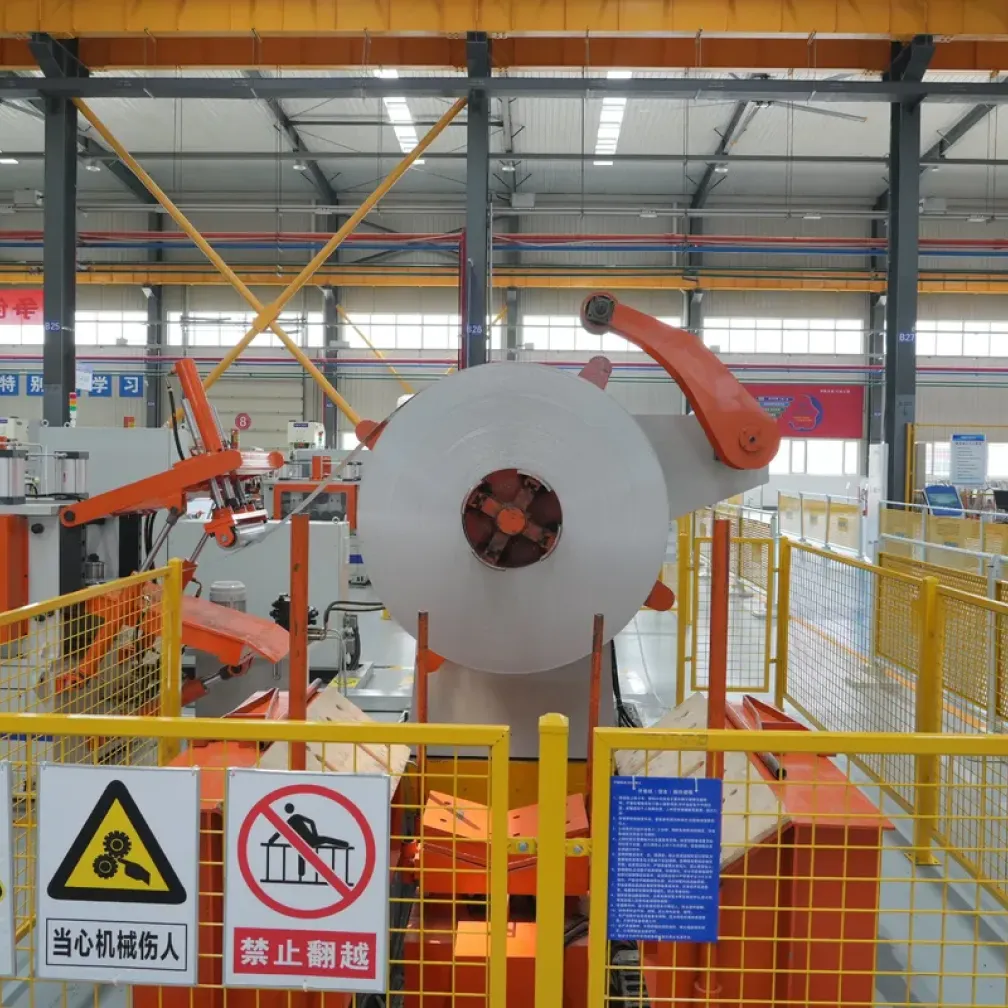
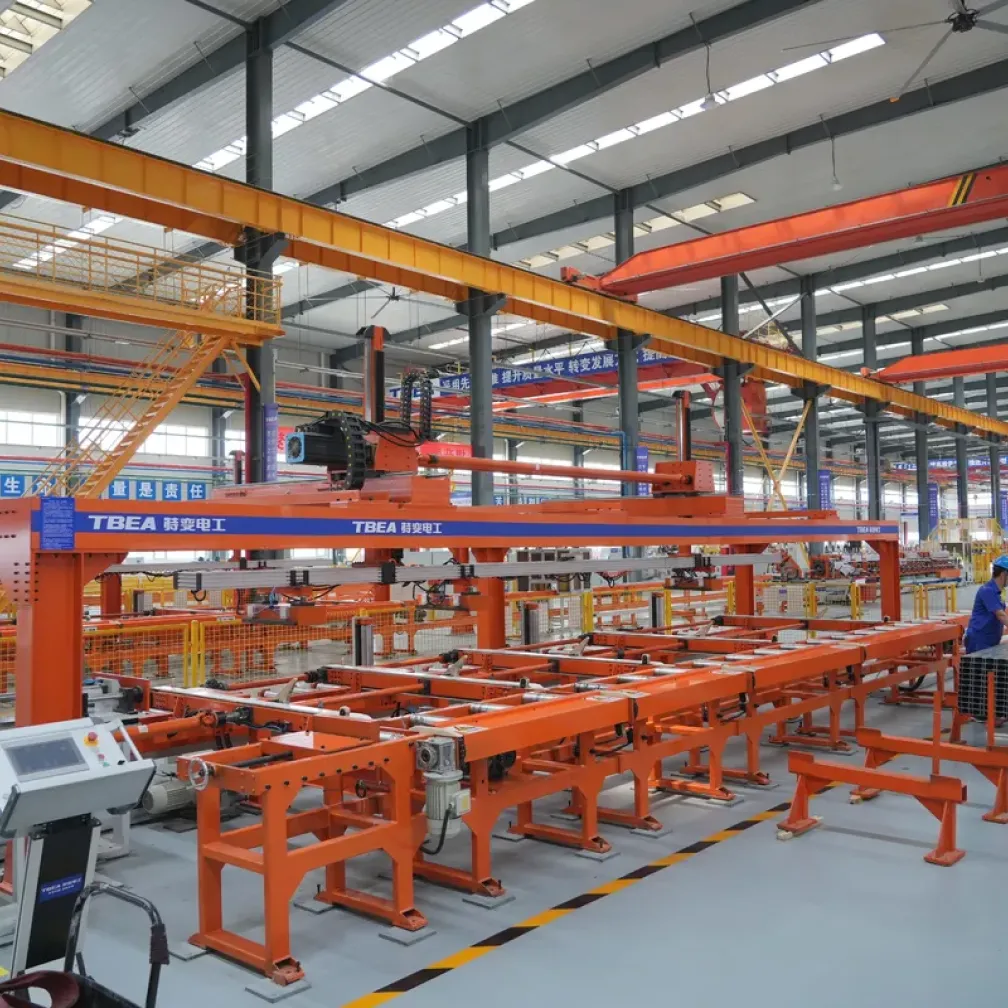
Scaffold planks are bought in fleet quantities by rental companies and contractors, and orders run to thousands of identical boards. The line is configured for that rhythm: coils up to 20 tons keep material changes infrequent, the flying or fixed cut holds length consistency, and automatic conveying with stacking accumulates boards into bundles that go straight to strapping and dispatch. One operator supervises the sequence from the control panel.
Main Applications
- Scaffold platform decking on building and bridge construction
- Metro, tunnel and infrastructure projects
- Shipbuilding and ship repair yards
- Industrial plant maintenance and municipal engineering
- Aerial work and access platform decking
What To Prepare Before Requesting a Quote
- Plank drawing with section profile, length, end detail and anti-slip pattern
- Strip material and coating for the service environment
- Load rating or scaffold system standard the plank must meet
- Monthly output target and bundle method
- Site power supply and preferred automation level
FAQ
Can one line produce several plank sizes?
Yes, within the covered flat width range. Width and profile changes inside the tooling range are adjustments, and anti-slip patterns change with the punching dies. Planks for a different scaffold system are quoted with their own tooling set.
How is the anti-slip surface produced?
The hole pattern is punched into the flat strip before forming, either by a high-speed punching unit for long runs of one pattern or by multi-station hydraulic units for heavier strip and combined patterns. The raised hole edges and the profile ribs together give the board its grip.
Which material suits rental fleets?
Galvanized strip is the standard fleet material. ZAM coated strip extends board life where fleets work in coastal or high-corrosion regions, at a higher strip cost. The service environment in the inquiry decides the recommendation.
Are hook ends formed on the line?
End details follow the scaffold system drawing. Hook and plain end preparations are handled in the punching and forming sequence, so boards leave the line ready for the transom interface of the specified system.
What delivery and installation terms apply?
Standard lines ship in 30-45 days and customized configurations in 60-90 days, following a trial run on production strip. THRONCH sends engineers for installation and commissioning, and the operating crew is trained during the commissioning period.