

Remote technical support helps manufacturers reduce roll forming machine downtime, troubleshoot production issues faster, and maintain consistent output without waiting for an on-site service engineer. By combining real-time communication, PLC diagnostics, electrical system monitoring, and step-by-step troubleshooting, machine suppliers can help customers identify faults and restore production more efficiently. This guide explains the common causes of roll forming machine downtime, how remote support works, which problems can be solved remotely, and how manufacturers can build a more reliable maintenance strategy.
Roll forming machines are designed for continuous production, but unexpected stoppages can disrupt delivery schedules, increase labor costs, and reduce overall equipment efficiency. Problems such as sensor failures, incorrect parameter settings, hydraulic faults, punching synchronization errors, and PLC alarms may stop an entire production line even when the mechanical structure remains in good condition.
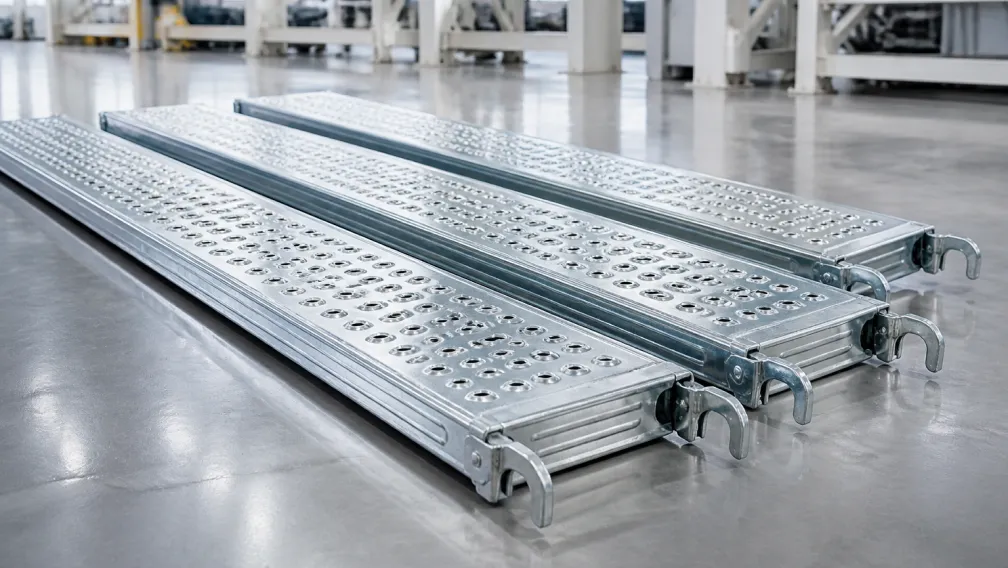
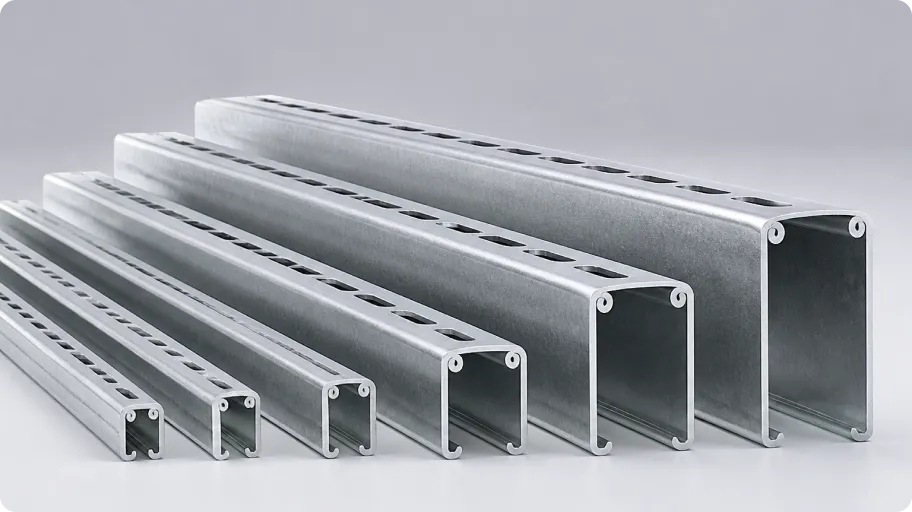
For manufacturers producing roofing panels, steel framing profiles, scaffolding components, and other roll-formed products, fast technical support is essential. Instead of waiting for a technician to travel to the factory, remote support allows engineers to analyze machine conditions, guide operators through troubleshooting, and help restore production from a distance. When properly implemented, remote support can shorten fault diagnosis time, reduce unnecessary service visits, and improve long-term equipment reliability.
Why Roll Forming Machine Downtime Occurs
Roll forming lines consist of multiple interconnected systems, including decoiling, leveling, feeding, punching, roll forming, cutting, and automatic stacking. A fault in one station can affect the operation of the entire line.
Understanding the most common causes of downtime is the first step toward effective remote troubleshooting.
Electrical and PLC Faults
Electrical problems are among the most common reasons for unexpected production interruptions. A failed sensor, loose connection, damaged cable, or incorrect input signal may prevent the machine from starting or cause it to stop during operation.
PLC alarms can also result from incorrect parameter settings, communication errors between control devices, or safety interlocks that have not been reset properly.
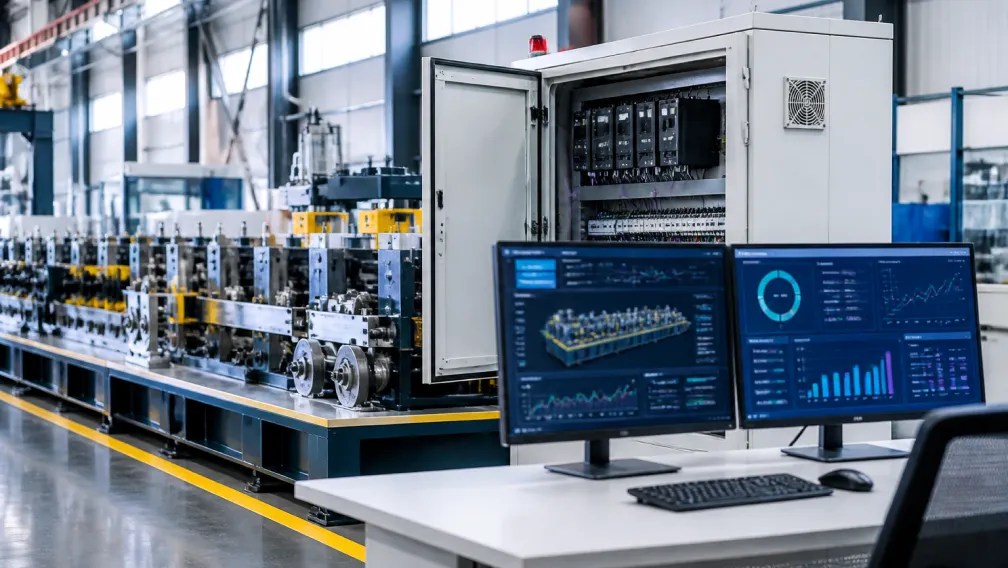
Through remote support, engineers can review alarm codes, examine PLC status information, and guide operators through a systematic inspection of the control system.
Sensor and Encoder Problems
Sensors and encoders provide essential feedback for feeding, positioning, cutting, and punching operations. If a sensor fails to detect material or an encoder reports an incorrect position, the machine may produce inaccurate lengths or stop automatically.
Remote engineers can help operators verify sensor status, inspect signal indicators, check encoder readings, and confirm parameter settings before replacing components.
Punching and Cutting Synchronization Errors
For production lines equipped with punching presses or flying cutting systems, synchronization is critical. Incorrect timing between material feeding, punching, and cutting can lead to misplaced holes, dimensional errors, or machine stoppages.
Remote troubleshooting can help engineers review synchronization parameters, inspect alarm records, and guide adjustments to the control sequence. Mechanical alignment and tooling conditions may still require an on-site inspection.
Mechanical and Hydraulic Problems
Worn bearings, excessive roll pressure, material misalignment, hydraulic pressure loss, and abnormal vibration can reduce production stability.
Remote support can help identify likely causes by reviewing operator observations, pressure readings, lubrication records, and available diagnostic data. However, physical damage, hydraulic leaks, and mechanical wear must be inspected and repaired locally when necessary.
How Remote Support Reduces Downtime
Remote support is most effective when it follows a structured process rather than relying on trial-and-error adjustments.
Collect Machine Information
When a fault occurs, the operator provides the machine model, alarm code, production stage, and a description of the problem. Photos or short videos of the control panel, affected station, and material condition can help engineers understand what happened.
Useful information includes:
- The exact alarm message or error code.
- Whether the fault occurs during startup or continuous production.
- Whether the machine stopped suddenly or gradually developed a problem.
- Recent changes to tooling, material thickness, production speed, or settings.
- Any unusual noise, vibration, or visible damage.
Accurate initial information reduces the time required to identify possible causes.
Diagnose the Fault Remotely
Depending on the machine configuration, engineers may use video calls, remote desktop access, approved PLC diagnostic tools, or a secure industrial remote-access connection.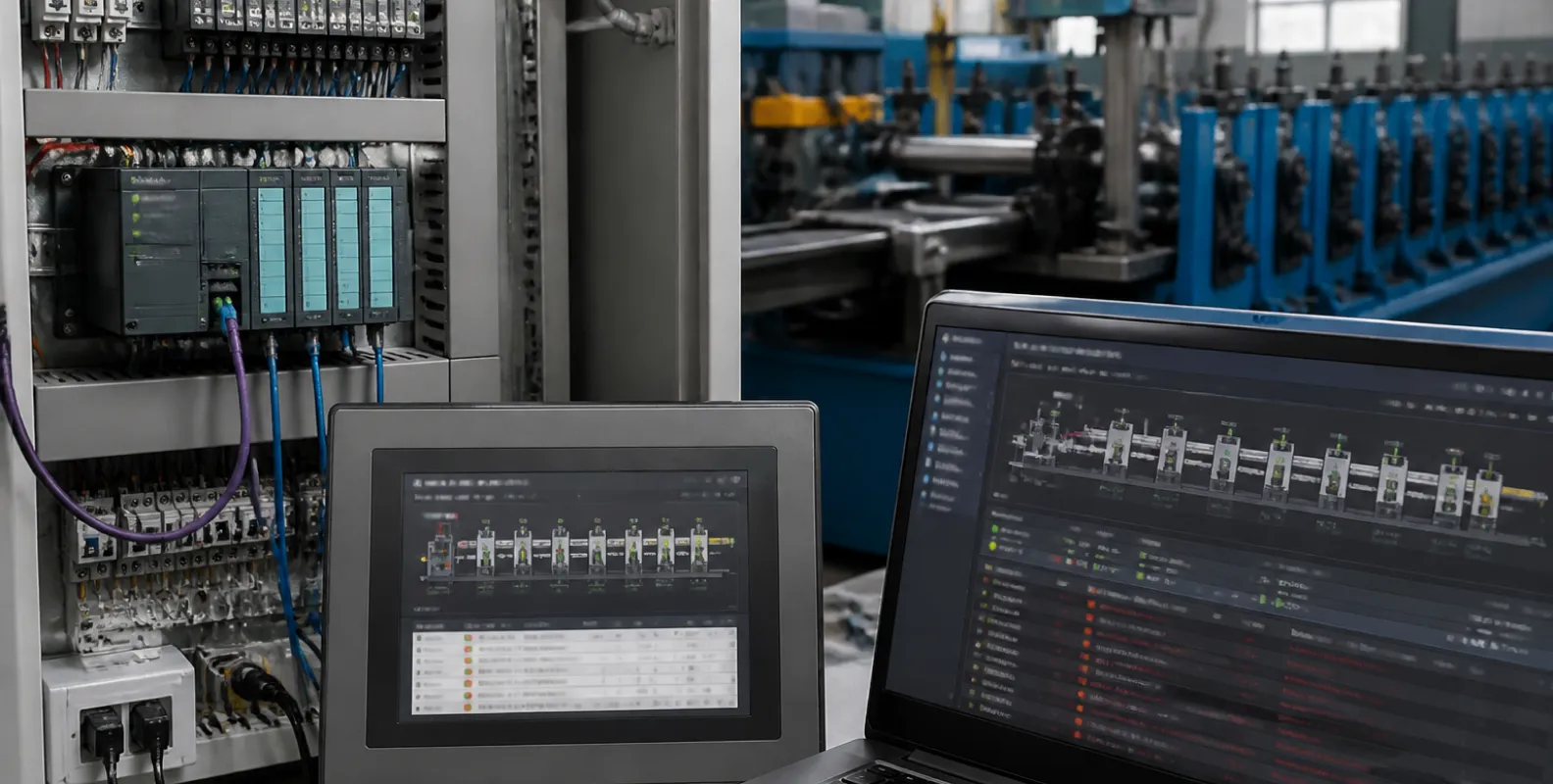
They can then review available machine data, check control logic status, and guide the operator through appropriate diagnostic steps.
For example, if a roll forming line stops because a material-position sensor does not provide the expected signal, the engineer may help determine whether the issue is related to sensor alignment, wiring, the input signal, or the control sequence.
Remote access should only be enabled through authorized and secure methods. Safety interlocks must not be bypassed, and troubleshooting must follow the machine manufacturer's procedures.
Guide the Operator Through Corrective Action
Once the likely cause has been identified, the engineer provides clear instructions for inspection, adjustment, or component replacement.
Depending on the problem, the operator may need to clean a sensor, verify a connector, restore an approved parameter setting, or replace a faulty component.
Instructions should be specific to the machine model and control system. Before making adjustments, operators must isolate hazardous energy when required and follow the applicable lockout/tagout and electrical safety procedures.
Verify Production Recovery
After the corrective action, the machine should be restarted according to the manufacturer's procedure. Operators should verify the relevant safety functions, machine status, product dimensions, and synchronization of connected stations.
For a roll forming line with automatic cutting, for example, the first production pieces should be checked for length accuracy and profile quality before normal production resumes.
Record the Fault and Prevent Recurrence
A successful repair should not be the end of the process. Recording the fault, its cause, corrective action, and recovery time helps identify recurring problems.
Over time, these records can support preventive maintenance, operator training, and improvements to machine reliability.
Which Roll Forming Problems Can Be Solved Remotely?
Not every machine fault requires an on-site visit. Many control-related issues can be investigated remotely, while problems involving physical damage or hazardous conditions require local intervention.
| Problem | Remote support capability | Typical next step |
|---|---|---|
| PLC alarm or parameter error | Often suitable for remote diagnosis | Review alarms and verify approved settings |
| Sensor signal failure | Often suitable for guided troubleshooting | Check alignment, wiring, and signal status |
| Incorrect cutting length | Can help identify control or encoder issues | Verify feedback signals and inspect the cutting system |
| Punching synchronization error | Can review timing and control parameters | Verify settings and inspect tooling if needed |
| Abnormal hydraulic pressure | Can help interpret available readings | Inspect the hydraulic system locally |
| Damaged rolls or bearings | Limited remote diagnosis | Perform a physical inspection and repair |
| Major electrical or mechanical damage | Remote guidance only | Stop the machine and arrange qualified service |
The main advantage of remote support is not that every fault can be repaired online. It is that engineers can quickly determine what is happening, identify the most appropriate next step, and avoid unnecessary delays caused by incomplete information.
Remote Support Tools for Modern Roll Forming Lines
The effectiveness of remote technical support depends on the information available and the communication tools used.
Video Calls and Live Troubleshooting
Video calls allow operators to show engineers the control panel, production station, material path, and affected components in real time. This is particularly useful when the problem is difficult to describe in writing.
Clear video, good lighting, and a stable internet connection can significantly improve the quality of remote diagnosis.
PLC Diagnostics and Alarm History
A programmable logic controller (PLC) coordinates the operation of the roll forming line. Reviewing alarm history, input/output status, and machine operating sequences can help engineers narrow down the source of a fault.
Remote PLC access is useful when supported by the machine design, but it should be restricted to authorized personnel and protected by appropriate access controls.
Electrical Drawings and Technical Documentation
Electrical schematics, pneumatic diagrams, hydraulic drawings, spare-parts lists, and operating manuals help engineers identify components and provide accurate instructions.
Manufacturers can reduce troubleshooting time by preparing digital documentation for each machine before shipment and keeping it available to both operators and service engineers.
Remote Access and Security
Some advanced machines support secure remote connections to industrial control systems. These connections can enable more detailed diagnostics, but they must be configured carefully.
Recommended safeguards include authorized user accounts, encrypted connections, controlled access permissions, customer approval before connection, and disconnection when the support session ends.
Remote support should never compromise machine guarding, emergency stops, or other safety functions.
How to Prepare a Roll Forming Machine for Faster Remote Support
Remote support becomes much more effective when the customer and machine supplier establish a support process before a problem occurs.
Keep Machine Records Organized
Each machine should have an identifiable model, serial number, electrical drawing set, PLC program version, and list of installed components.
When a fault occurs, engineers can use these records to provide instructions that match the actual machine configuration rather than relying on assumptions.
Train Operators to Report Faults Clearly
Operators do not need to be automation experts to provide useful diagnostic information. They should know how to locate an alarm code, describe the production stage, take clear photos, and explain what happened immediately before the stop.
Basic operator training can prevent unnecessary parameter changes and reduce the time spent collecting information.
Maintain Critical Spare Parts
Remote diagnosis may identify a failed sensor, encoder, relay, or other replaceable component. If the required spare part is available at the factory, the operator may be able to complete the repair without waiting for international shipping.
For export-oriented production facilities, suppliers can recommend a spare-parts package based on the machine configuration, component availability, and expected maintenance needs.
Establish a Clear Support Response Process
A practical support arrangement should define contact channels, operating hours, required fault information, escalation procedures, and the responsibilities of both the supplier and customer.
For customers operating across different time zones, agreed support hours and a clear escalation process can reduce uncertainty when production stops outside normal business hours.
Remote Support and Preventive Maintenance
Remote support is most valuable when combined with preventive maintenance. Reactive troubleshooting addresses faults after they occur, while preventive maintenance reduces the likelihood of those faults happening in the first place.
A maintenance plan for a roll forming line should include regular inspections of rollers, bearings, drive components, sensors, punching tools, cutting blades, lubrication points, and electrical connections.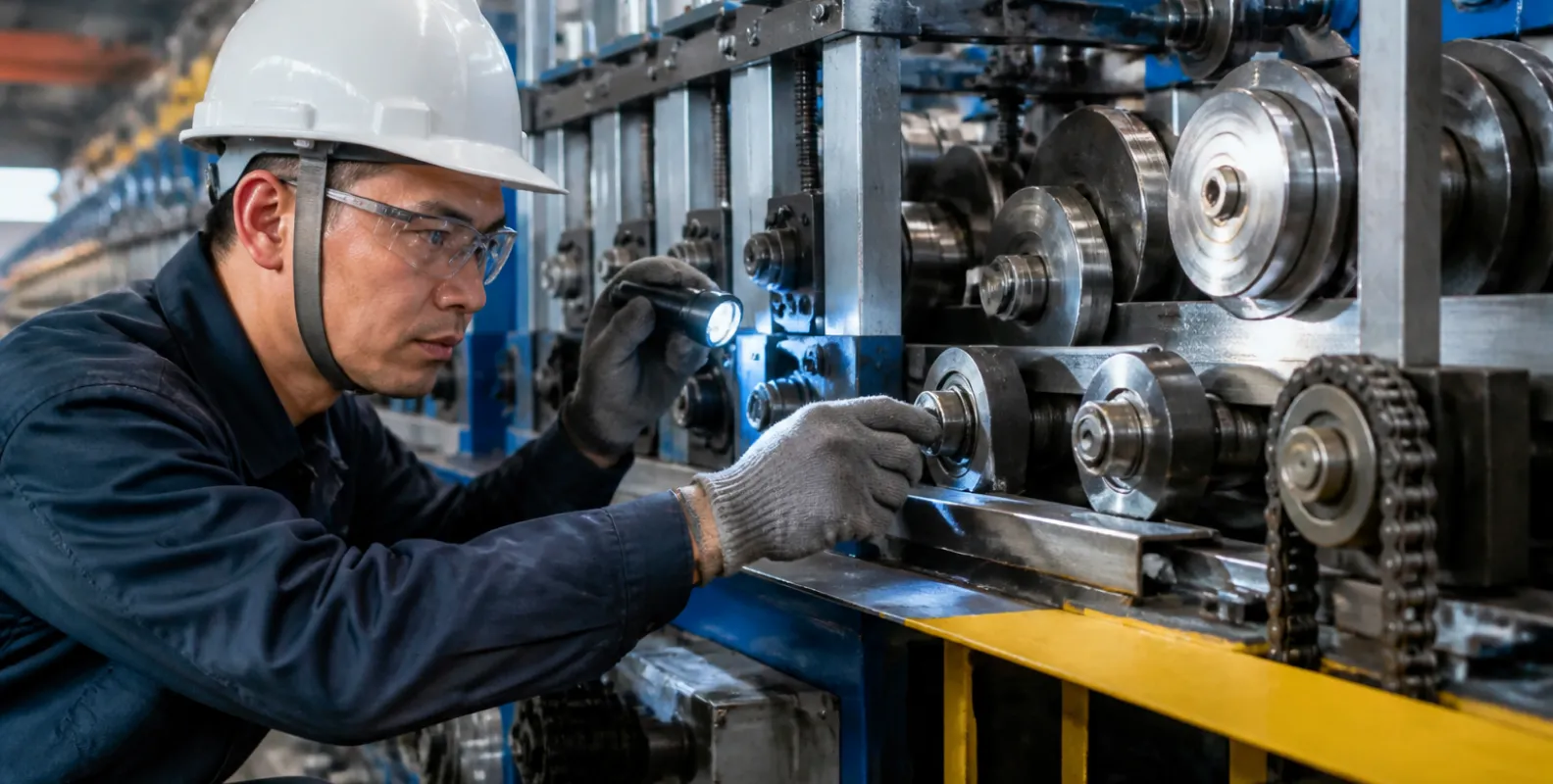
Operators should also monitor product quality. Changes in profile dimensions, hole position, cutting accuracy, or surface condition can indicate developing mechanical or control problems before the line stops completely.
Where suitable monitoring systems are available, operating hours, alarm frequency, motor load, and other diagnostic information can help maintenance teams prioritize inspections.
Remote engineers can review these records, recommend maintenance actions, and help customers identify recurring faults. The result is a more structured maintenance process and better visibility into equipment performance.
Measuring the Results of Remote Support
To evaluate whether remote support is reducing downtime, manufacturers should track a small set of operational indicators.
| Indicator | What it measures |
|---|---|
| Mean time to diagnose (MTTD) | Average time required to identify the cause of a fault |
| Mean time to repair (MTTR) | Average time required to restore the equipment to operation |
| Unplanned downtime | Production time lost because of unexpected stoppages |
| First-contact resolution rate | Percentage of support cases resolved without further escalation |
| Repeat fault rate | Frequency of recurring problems after corrective action |
For example, if a recurring sensor fault previously required several hours of investigation but can now be diagnosed quickly through alarm records and video support, the reduction in downtime can be measured directly.
Actual improvements depend on machine design, fault severity, operator skills, spare-parts availability, and the quality of the support process. Manufacturers should use their own production records to establish a baseline and evaluate progress.
Choosing a Roll Forming Machine Supplier with Reliable Technical Support
When comparing roll forming machine suppliers, buyers should evaluate technical support alongside machine price, production speed, forming accuracy, and overall equipment quality.
Important questions include:
- Does the supplier provide remote technical support after installation?
- Are electrical drawings, operating manuals, and troubleshooting guides available?
- Can engineers assist with PLC alarms and control-system diagnostics?
- Are remote connections supported securely when needed?
- Are spare parts available for common electrical and mechanical components?
- Is operator training included during commissioning?
- Can recurring problems be documented and reviewed systematically?
A supplier with a well-organized technical support process can help customers resolve problems more efficiently and maintain stable production over the machine's service life.
Remote support does not replace good machine design, proper operator training, or on-site maintenance when necessary. Instead, it adds a practical layer of technical assistance that can reduce diagnostic delays and help customers make better maintenance decisions.
Get Technical Support for Your Roll Forming Line
If your roll forming machine experiences unexpected stoppages, inaccurate cutting, punching synchronization errors, or control-system alarms, timely technical support can help identify the cause and determine the appropriate corrective action.
THRONCH provides roll forming equipment solutions for industrial profile manufacturing. With clear communication, appropriate diagnostic tools, and standardized maintenance procedures, remote technical support can help manufacturers reduce avoidable roll forming machine downtime, improve production continuity, and ensure more reliable order fulfillment.
To learn more about our equipment, request a quotation, or inquire about roll forming production line solutions, please contact us: vivianwweiii@gmail.com
-

THRONCH
Cold Roll Forming Machine Manufacturer
THRONCH is a direct manufacturer specializing in custom cold roll forming lines and welded pipe mills. With over a decade of engineering expertise, we share technical insights and deliver high-precision