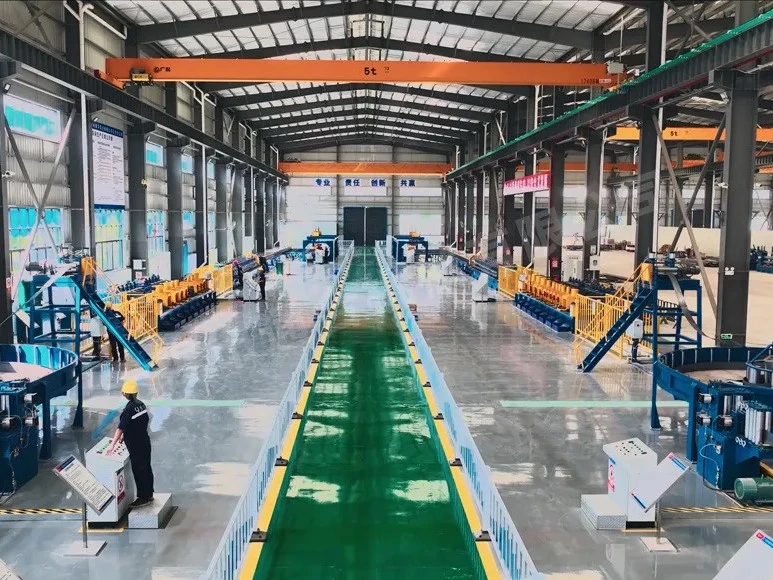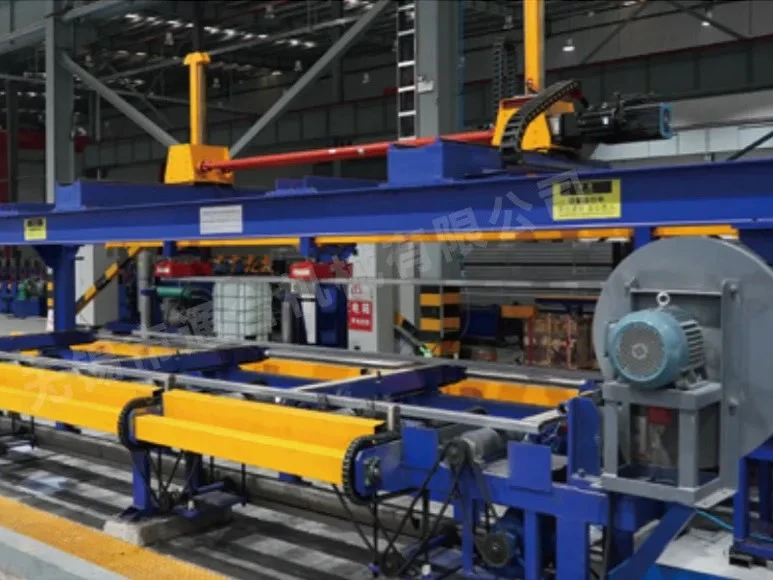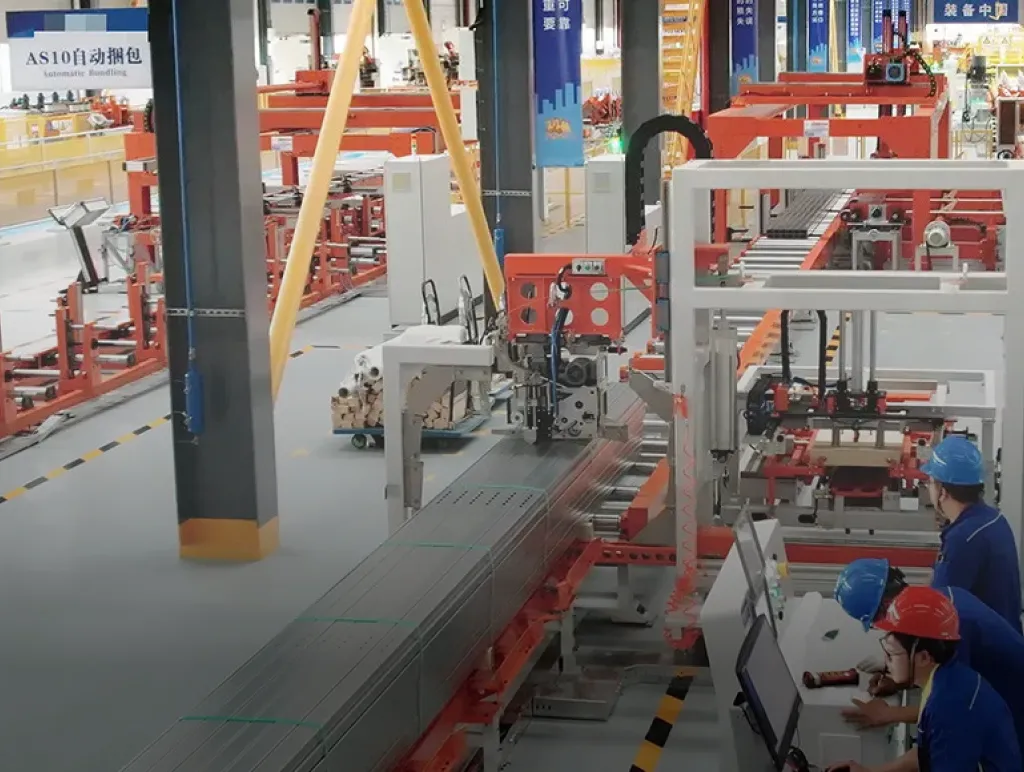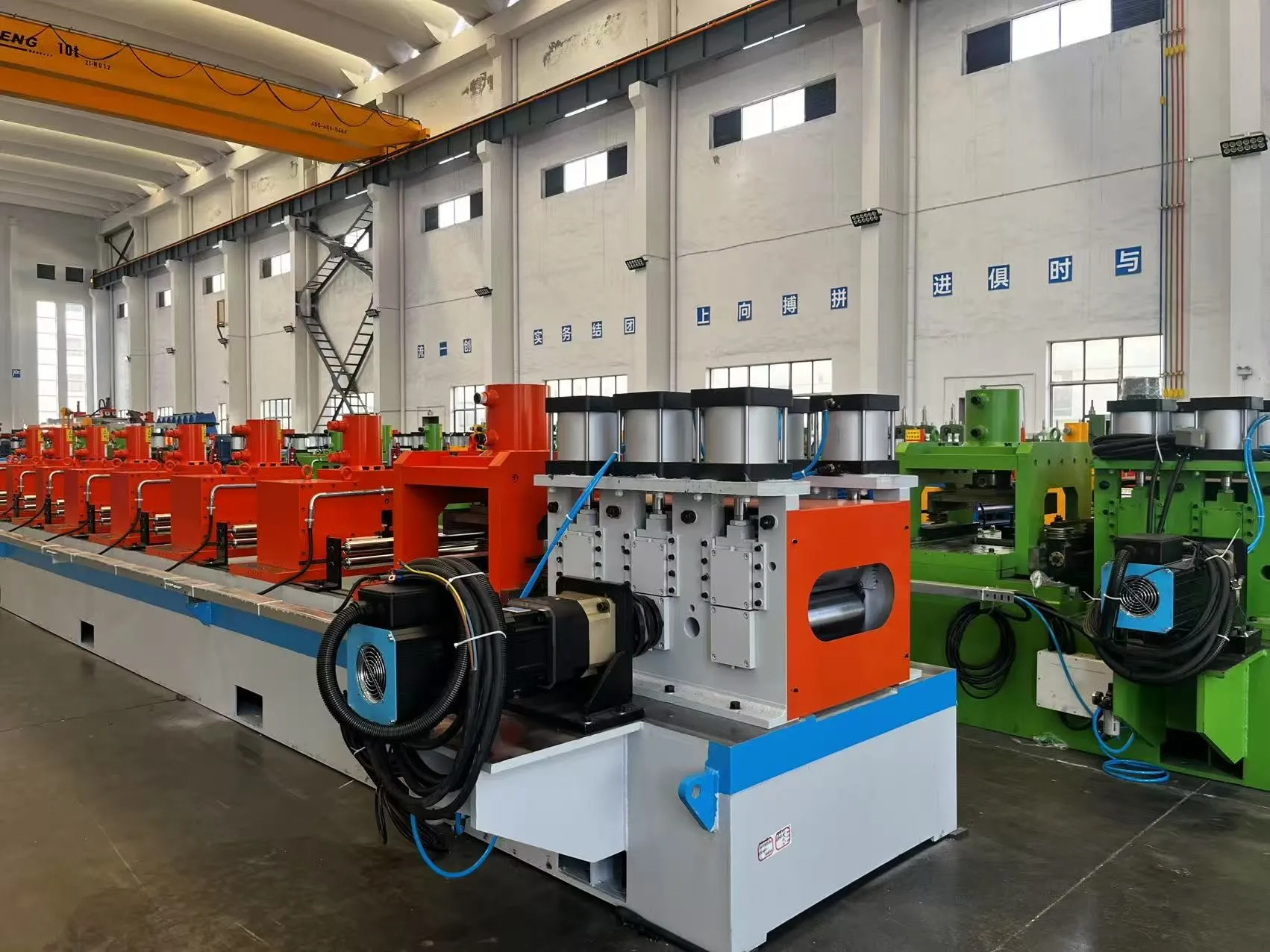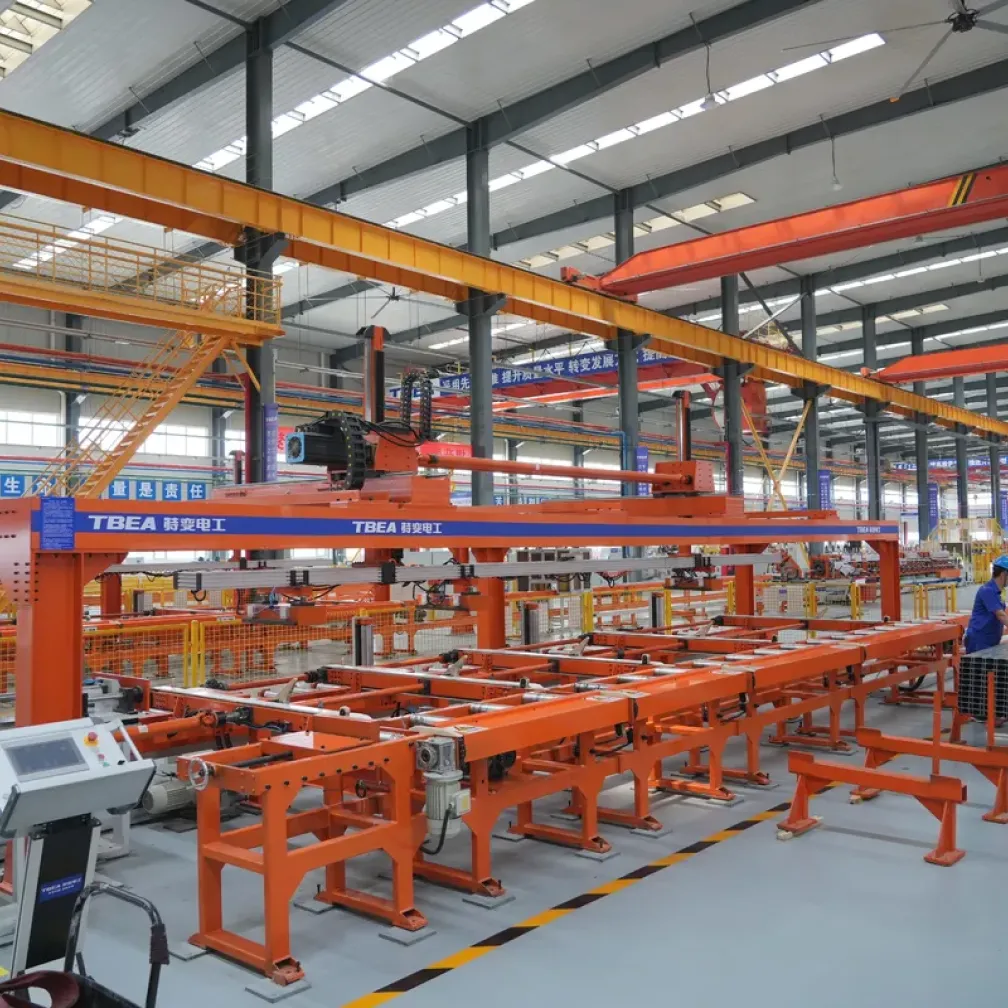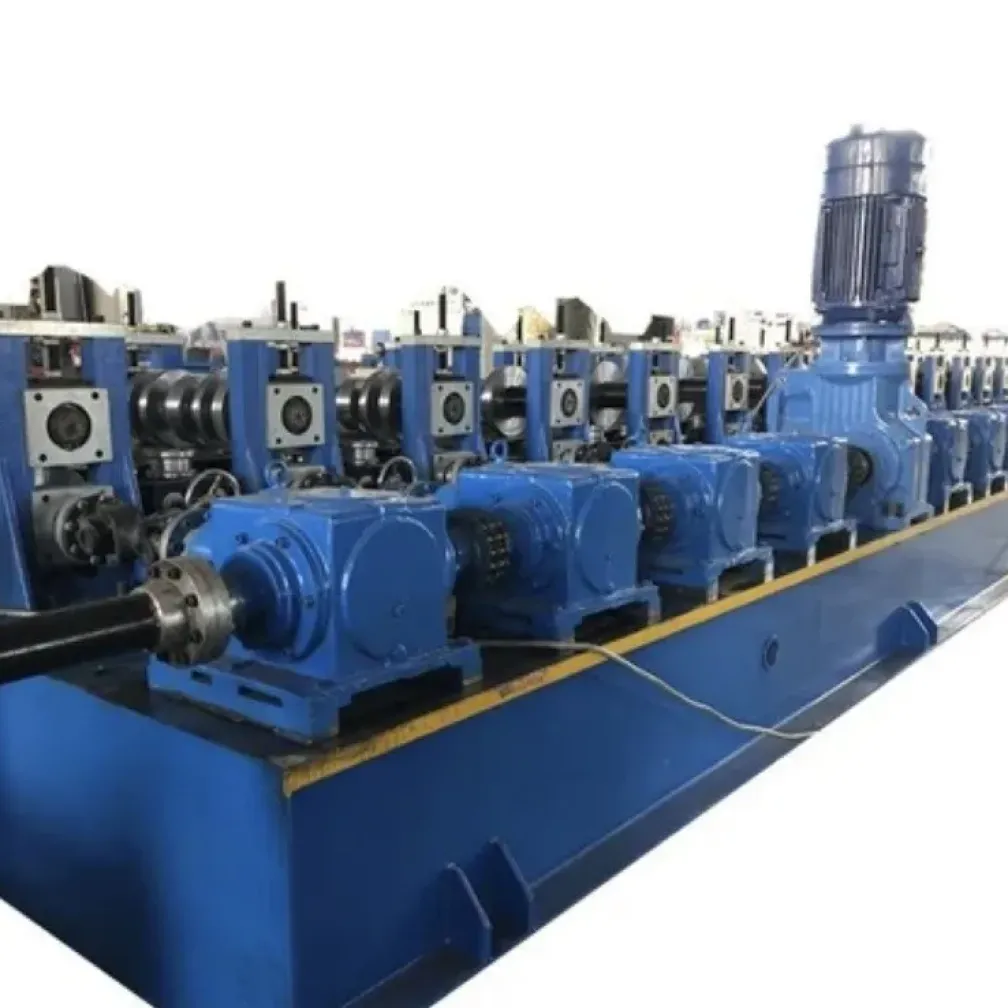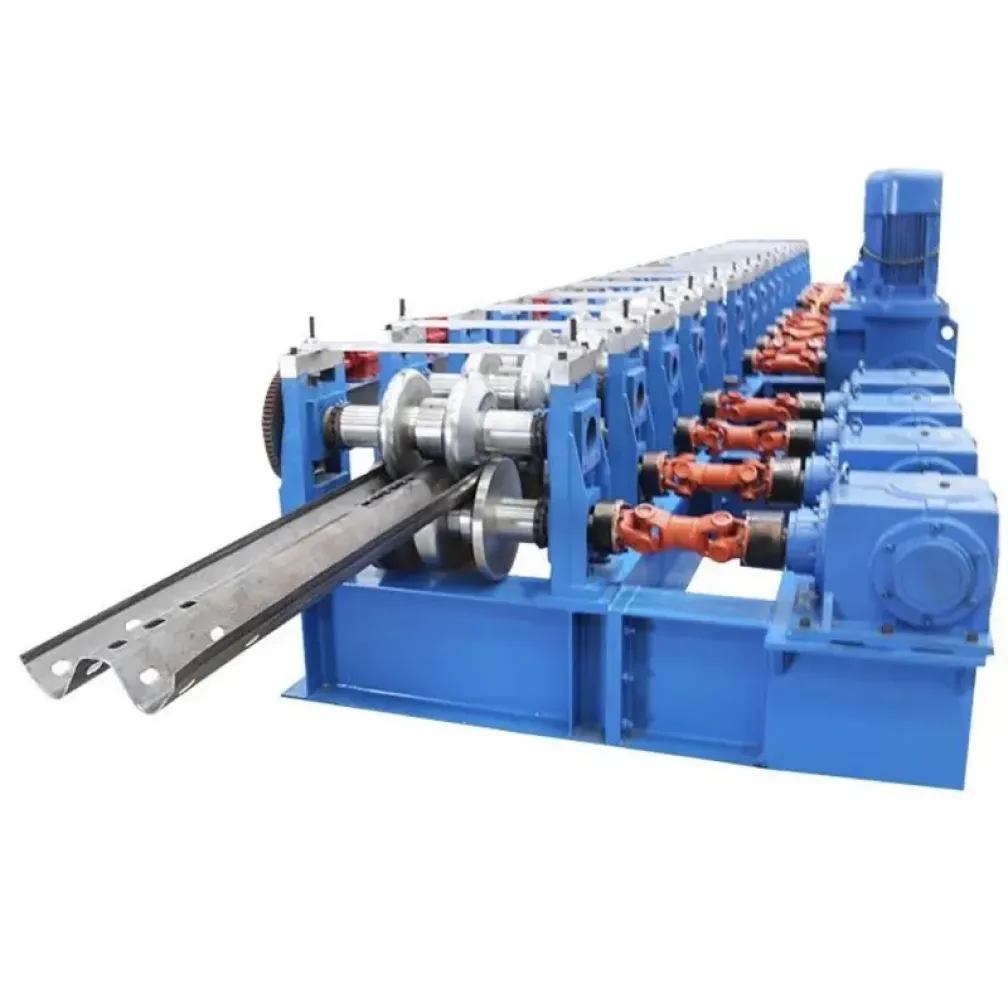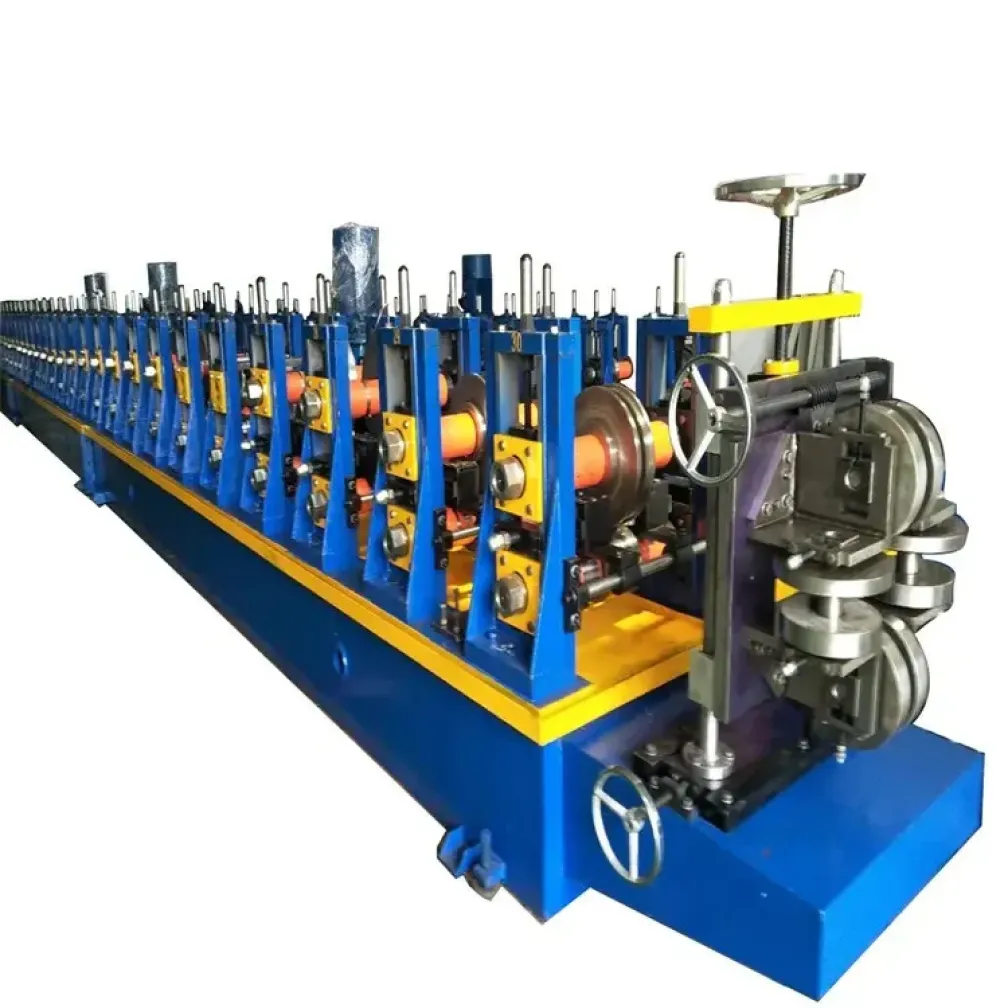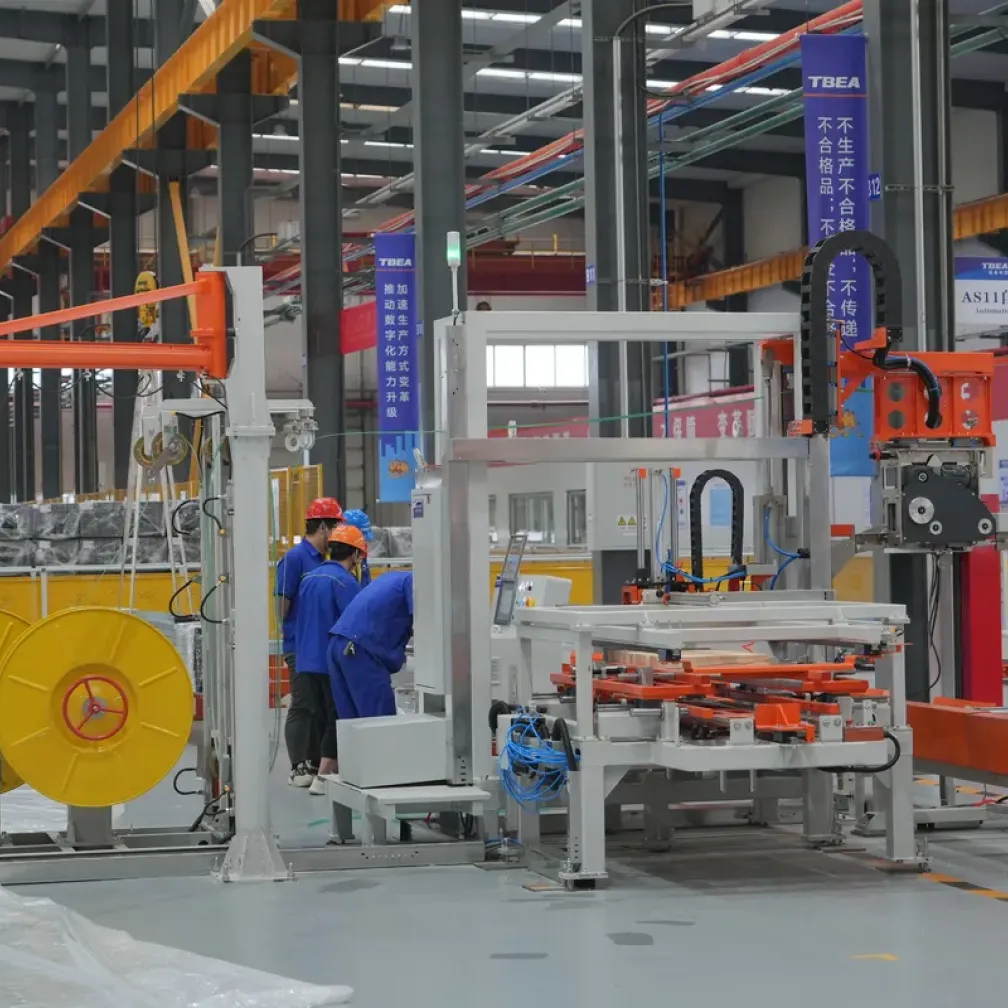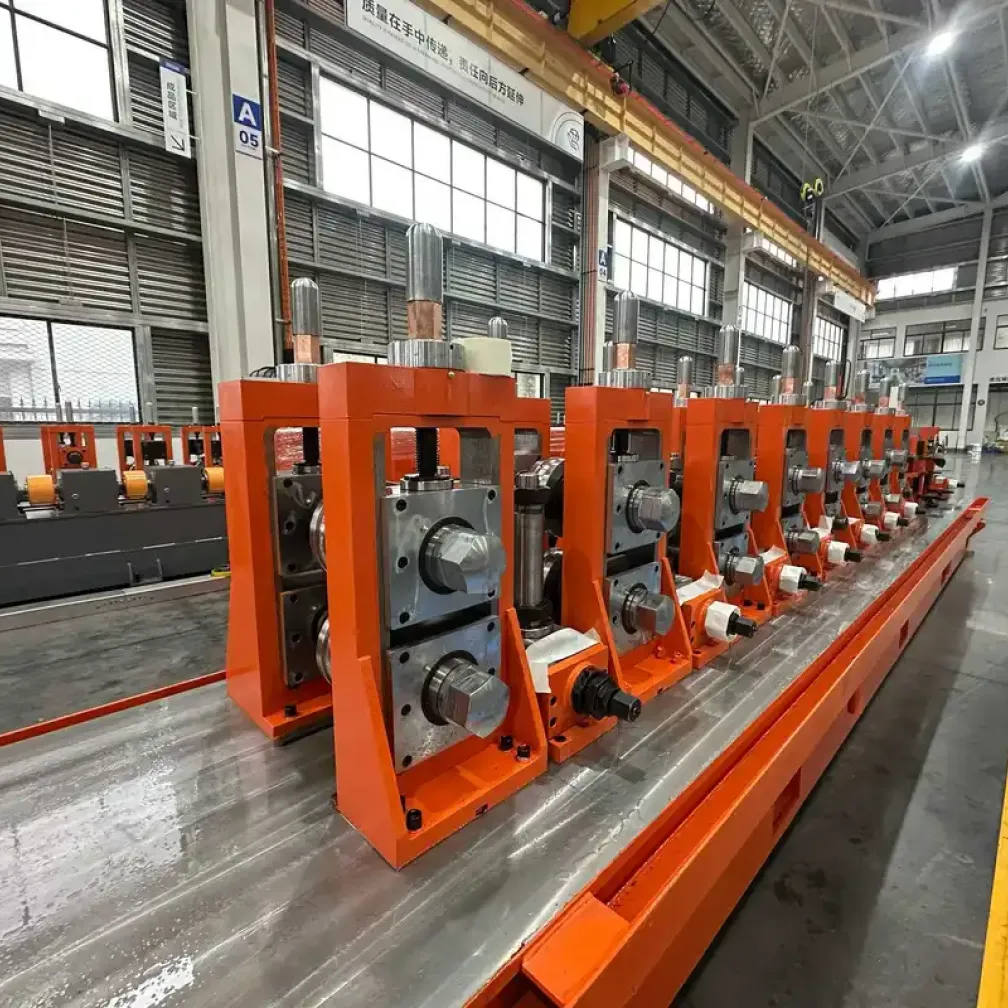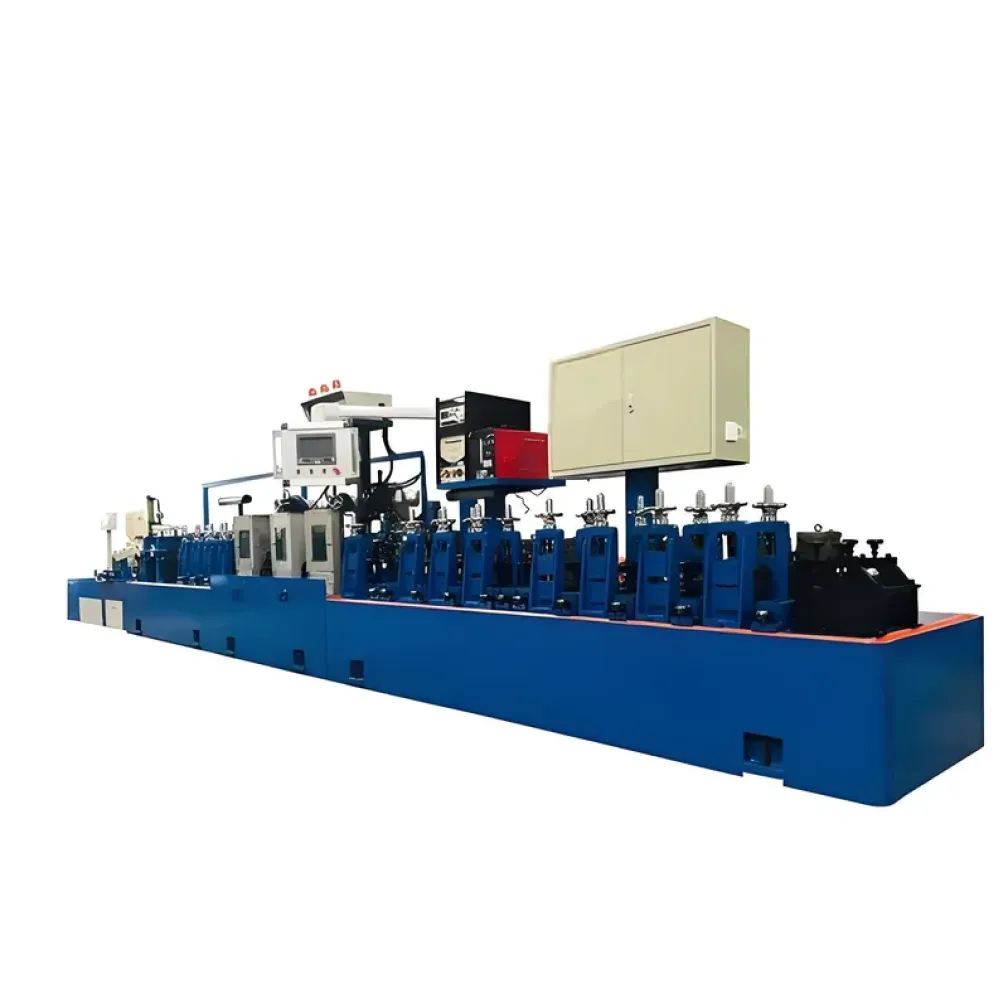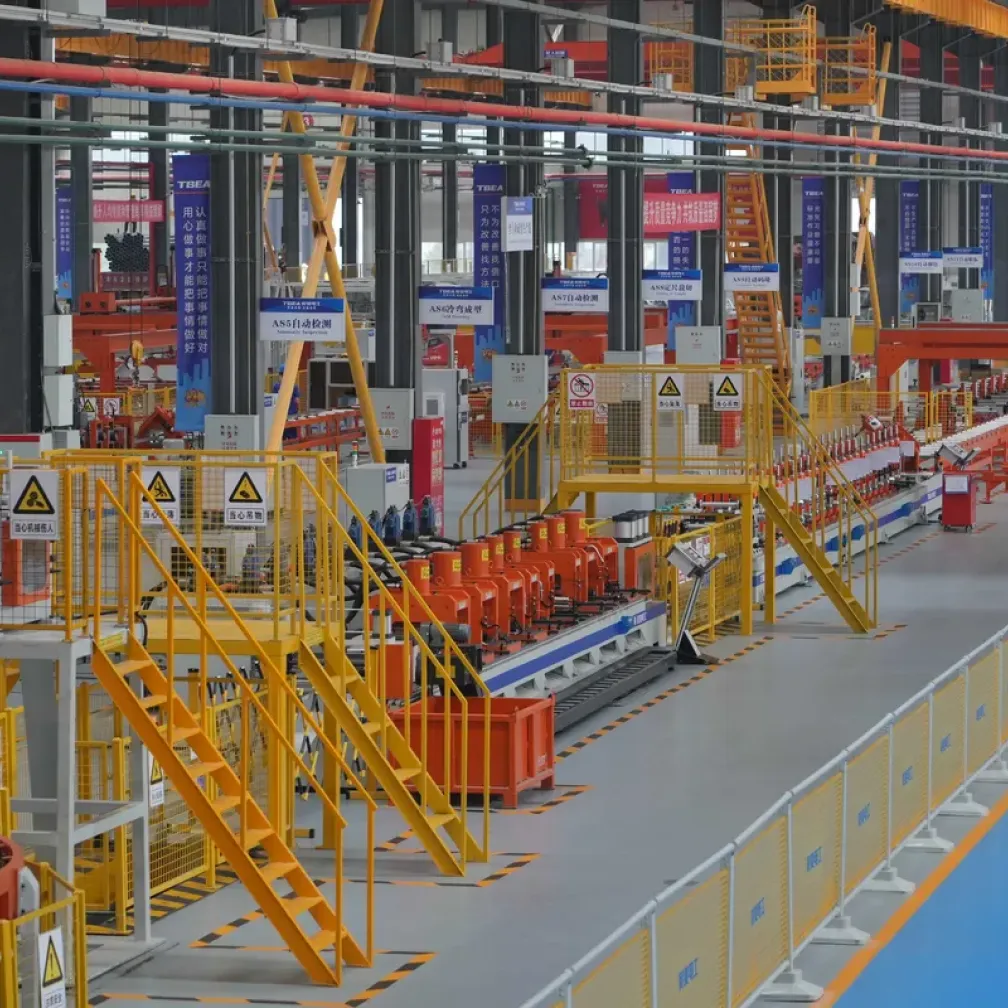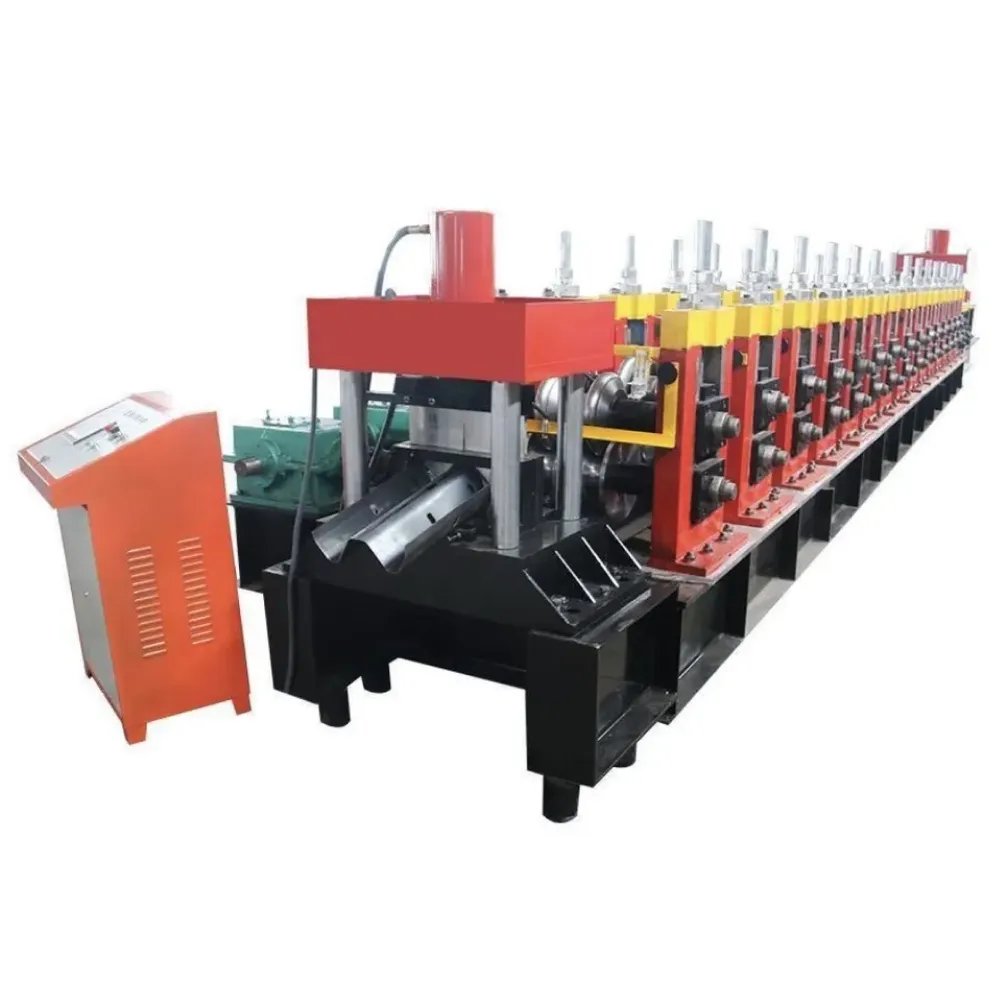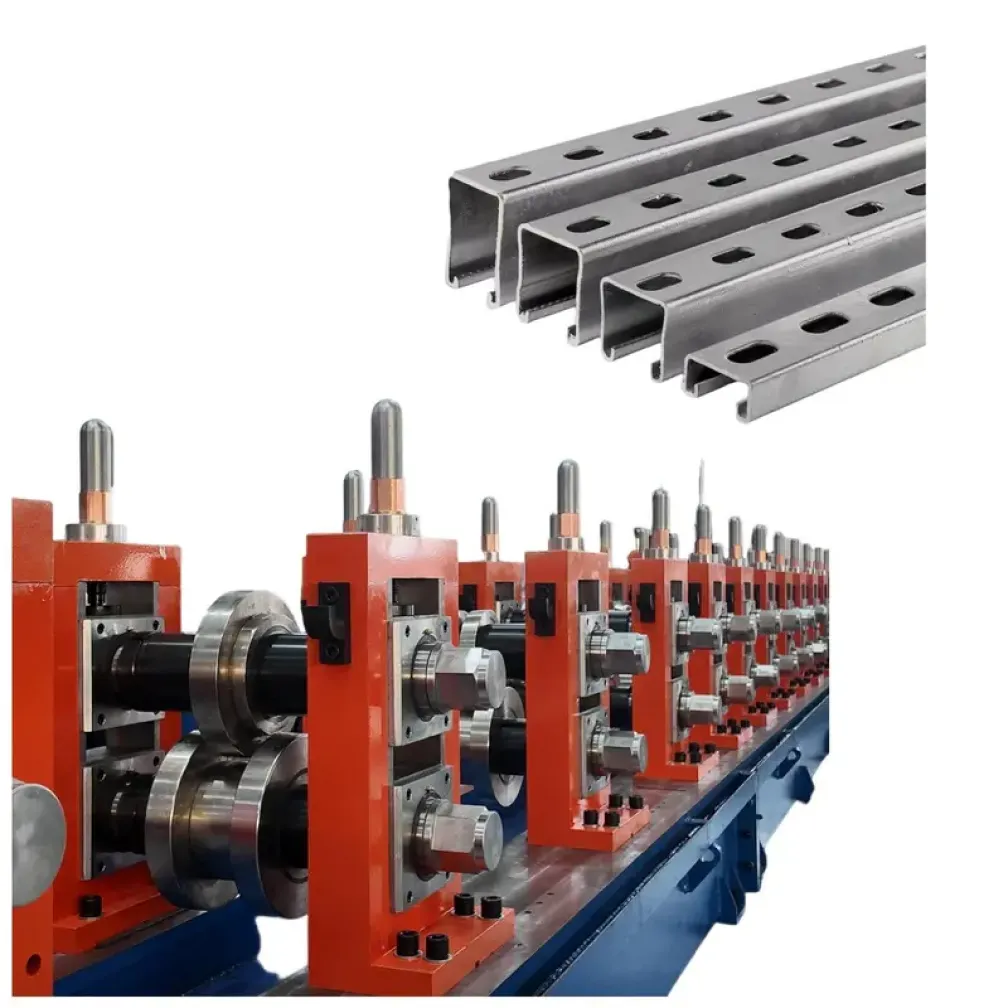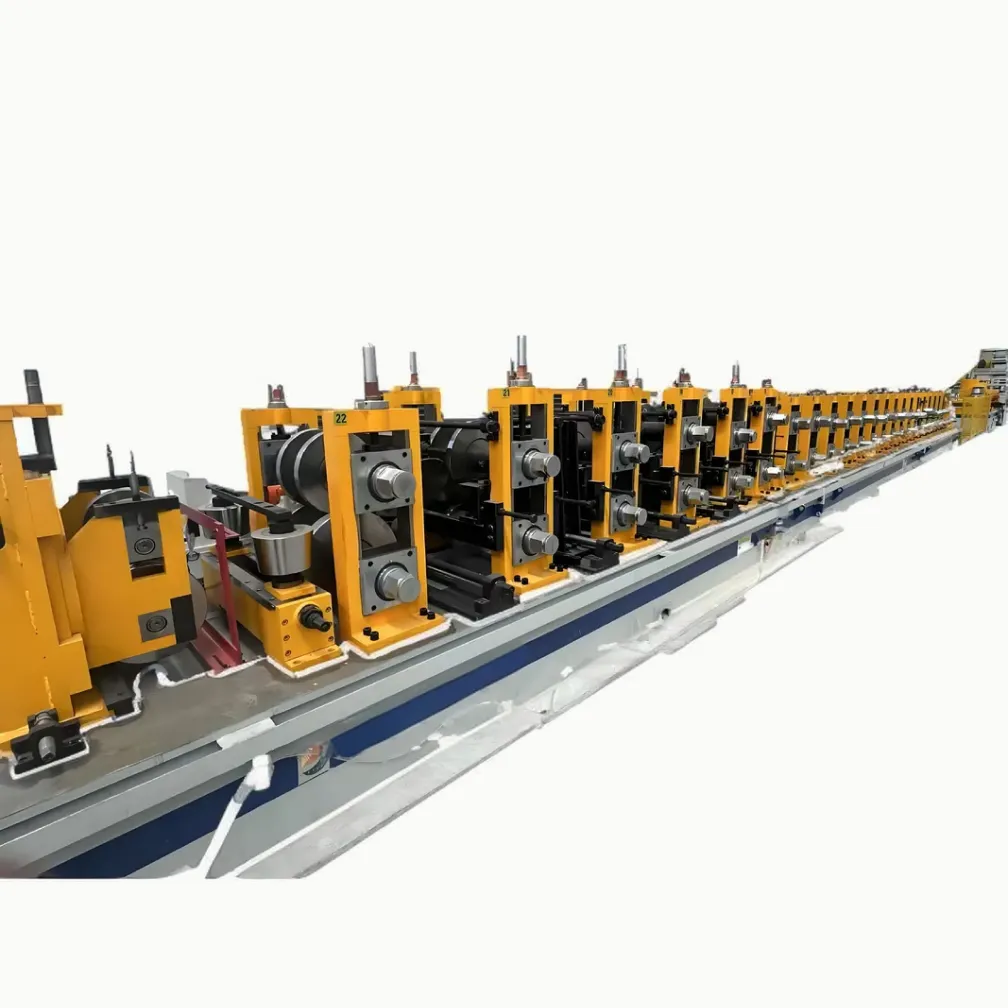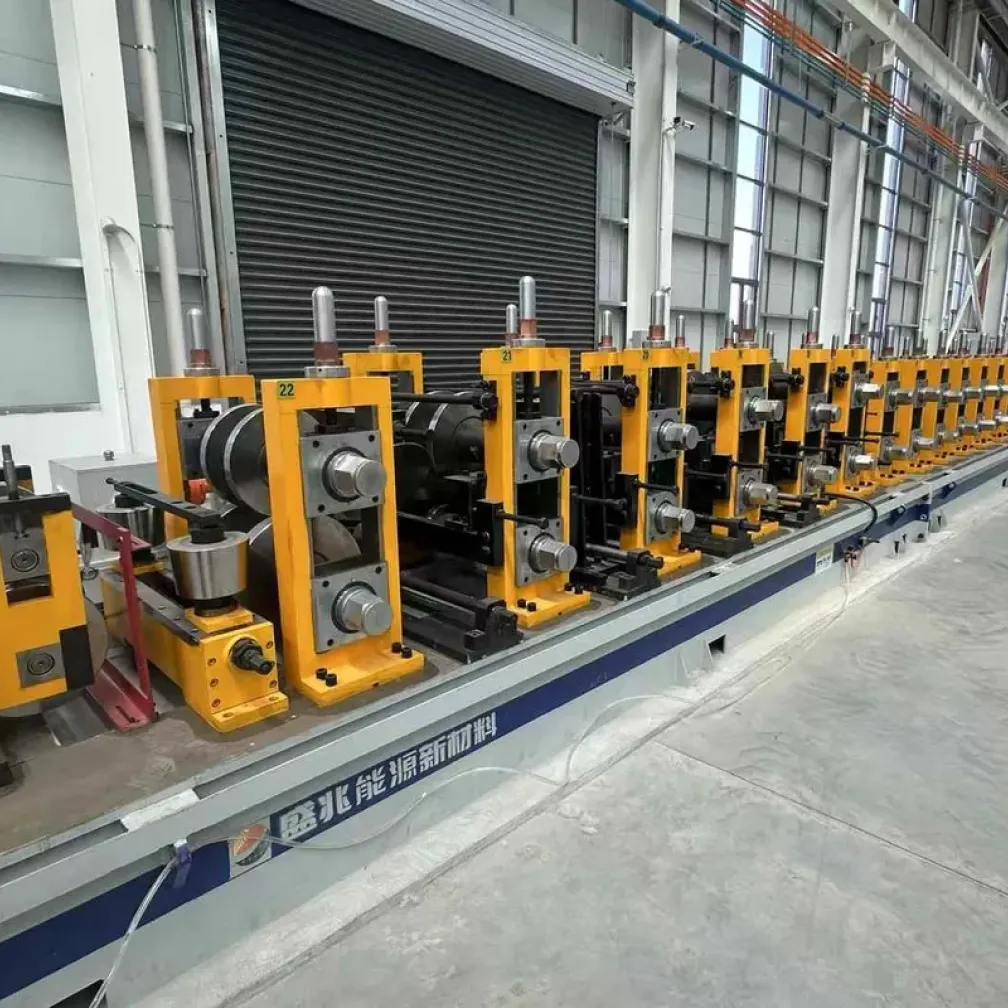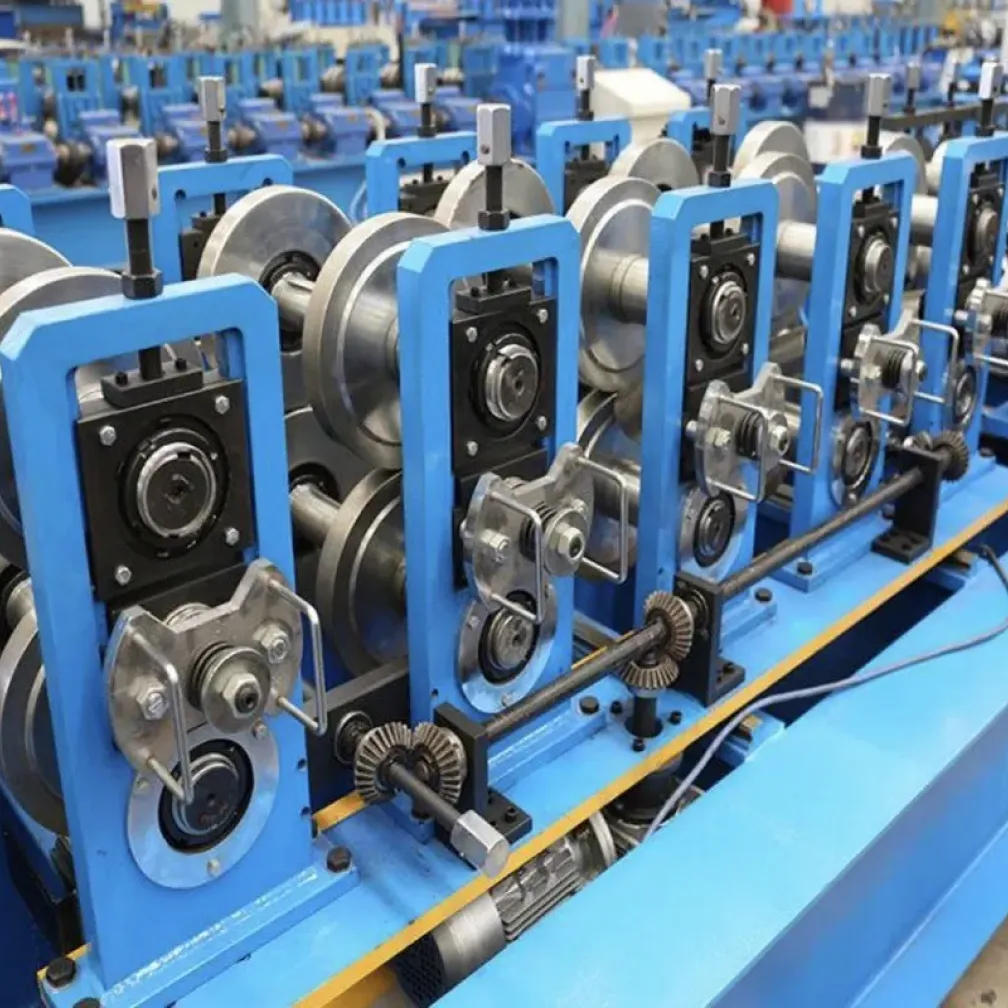


Example Workflow for Forming a Channel Profile:
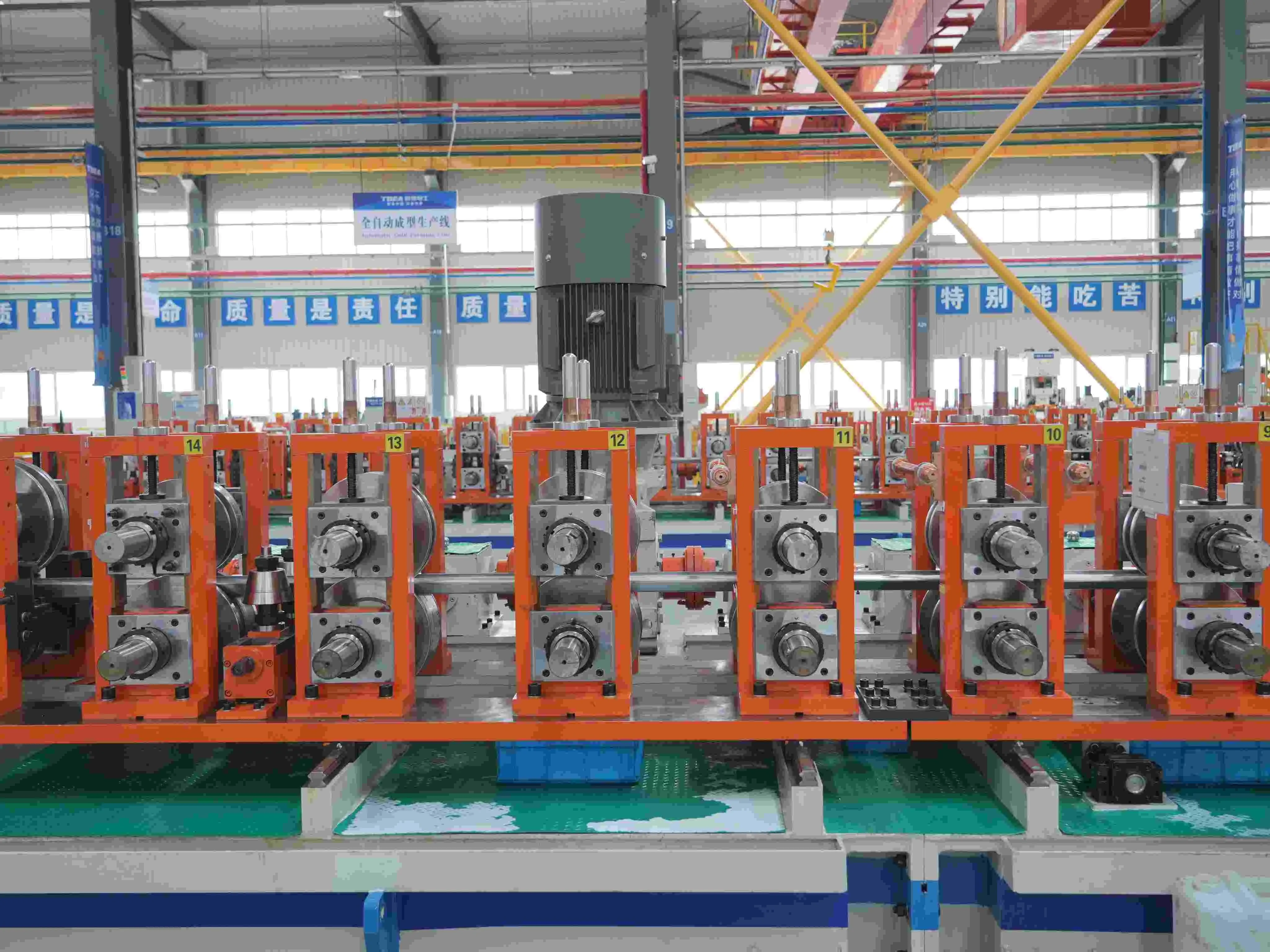
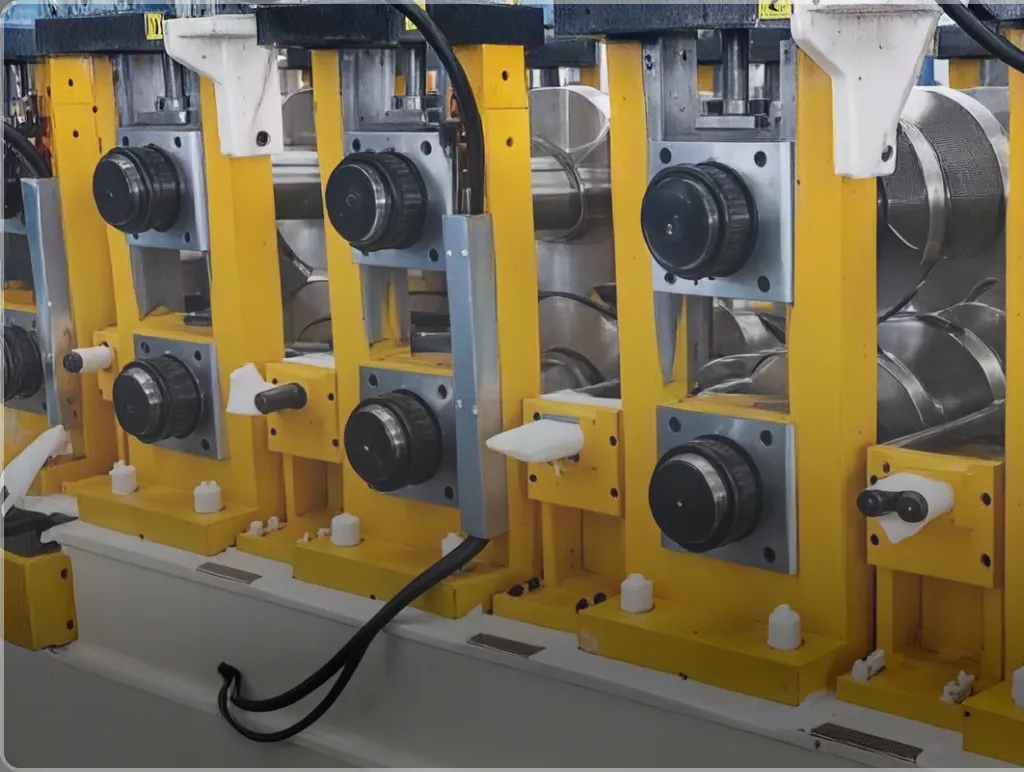
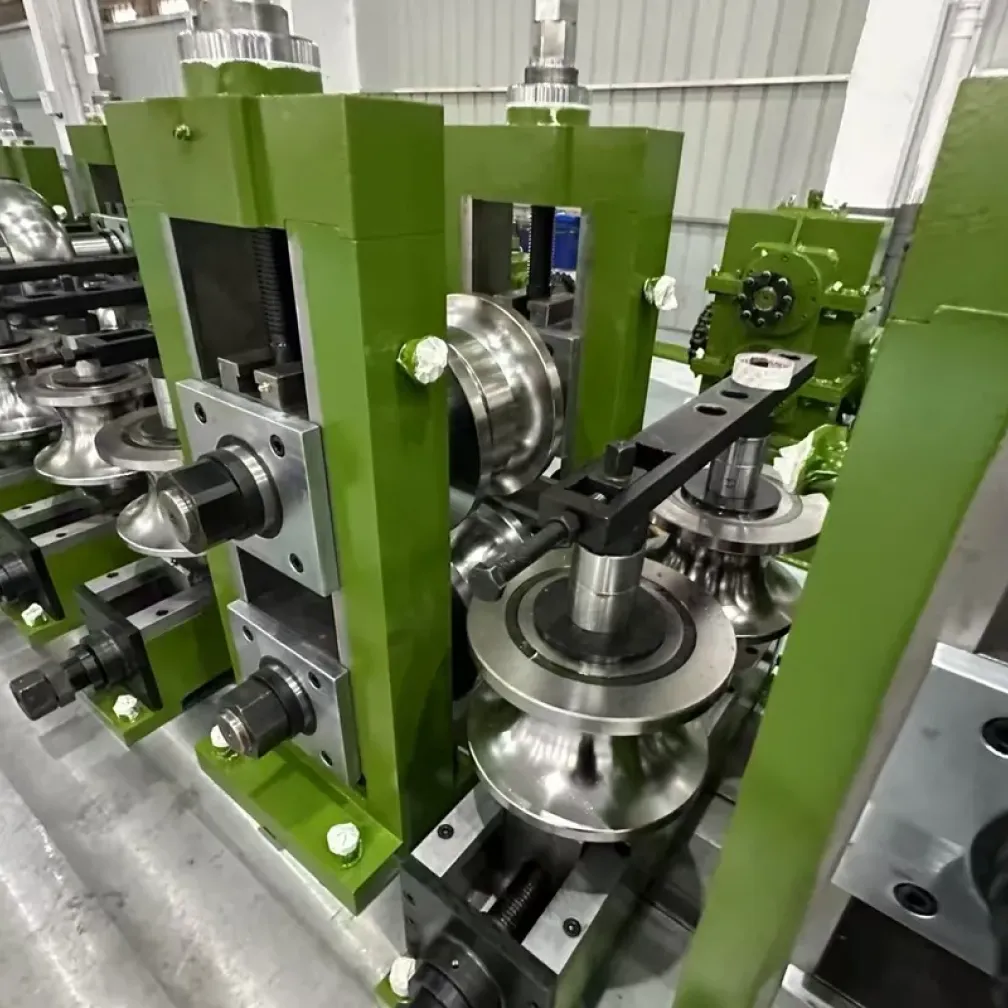
Uncoil a steel strip and feed it into the machine. ➔ Rollers curl bend the edges upward gradually. ➔ Rollers U-bend in the trench side to a uniform "U" shape. ➔ The flying shear cuts the channel to set lengths. ➔ Finished channels are stacked for dispatch.
Using a roll forming machine involves a series of sequential steps, from preparation and setup to actual operation and shutdown, all while prioritizing safety. Here is a detailed guide on how to correctly operate a roll forming machine:
I. Pre-Operation Checks & Setup
Before initiating machine operation, thorough preparation is crucial for safety, efficiency, and product quality.
- Read the Manual: Every roll forming machine model has specific instructions, safety warnings, and maintenance schedules. Familiarize yourself with the manufacturer's manual.
- Inspect the Machine: Perform visual checks for loose bolts, damaged components, abnormal wear on rollers, or signs of leaks (hydraulic fluid, coolant). Ensure all safety guards, covers, and emergency stop buttons are in place and functioning correctly. Verify that all moving parts are adequately lubricated.
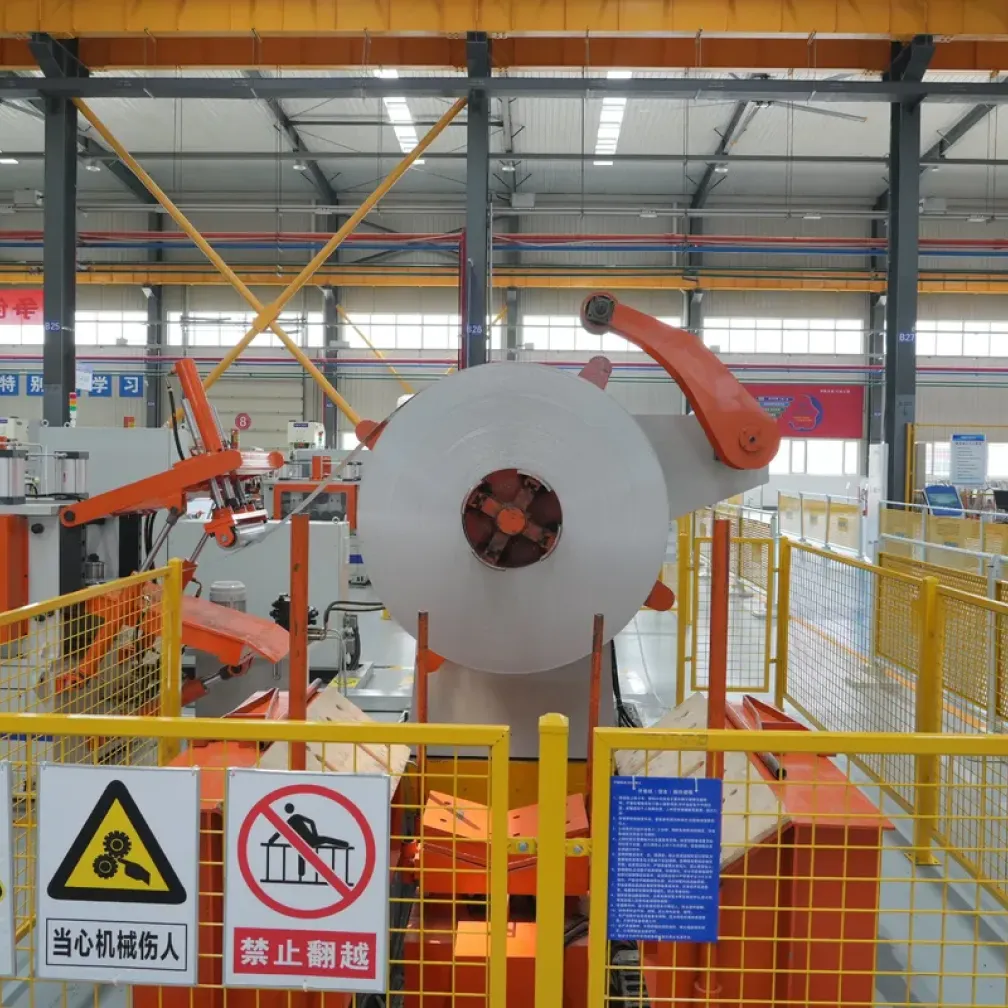
- Prepare the Material: Confirm the metal coil matches the machine's specifications and job requirements (material type, thickness, width). Safely load the coil onto the decoiler/uncoiler, ensuring it is centered and secured properly. Adjust the strip straightener to remove any coil set if applicable.
- Set Up the Control System (PLC/CNC): Enter the required parameters into the HMI, including desired profile length, batch quantity, machine speed, and settings for in-line punching or cutting operations.
II. Operation (Starting Production)
Once preparations are complete, the forming process can commence.
- Initial Material Feed (Threading): Manually feed the leading edge of the metal strip into the entry guides and then into the first set of rollers. Carefully guide the strip through the initial forming stations at a slow speed to ensure the material tracks correctly.
- Trial Run & Adjustments: Run a short length of material through the entire machine as a test piece. Inspect the formed profile carefully against specifications for dimensional accuracy, profile consistency, and surface finish. Make any necessary micro-adjustments to the roll stations, guides, or control parameters.
- Full Production Run: Once the test pieces meet quality standards, switch the machine to automatic mode. Monitor the production continuously, listen for abnormal noises, watch for material slippage, and regularly inspect finished parts.
III. Shutdown & Maintenance
Proper shutdown and routine maintenance are vital for equipment longevity and optimal performance.
- End of Production: Stop the material feed, allow the remaining material to fully process and exit, and turn off the drive system.
- Cleaning & Lubrication: Clean the machine thoroughly, particularly the rollers, guides, and cutting unit, to remove metal chips and debris. Re-lubricate moving components as per the maintenance schedule.
- Inspection & Power Off: Perform a post-operation inspection for any new signs of wear or damage. Turn off all auxiliary systems, followed by the main power supply.
IV. Safety is Paramount
Strict adherence to safety protocols is mandatory during all phases of operation:
- Personal Protective Equipment (PPE): Always wear appropriate PPE, including safety glasses, hearing protection, gloves, and safety shoes.
- Machine Guarding & Emergency Stops: Never remove or bypass safety guards. Know the exact location and function of all emergency stop buttons.
- Lockout/Tagout (LOTO): Always follow LOTO procedures when performing maintenance, adjustments, or clearing jams. Ensure power is completely disconnected.
-

THRONCH
Cold Roll Forming Machine Manufacturer
THRONCH is a direct manufacturer specializing in custom cold roll forming lines and welded pipe mills. With over a decade of engineering expertise, we share technical insights and deliver high-precision