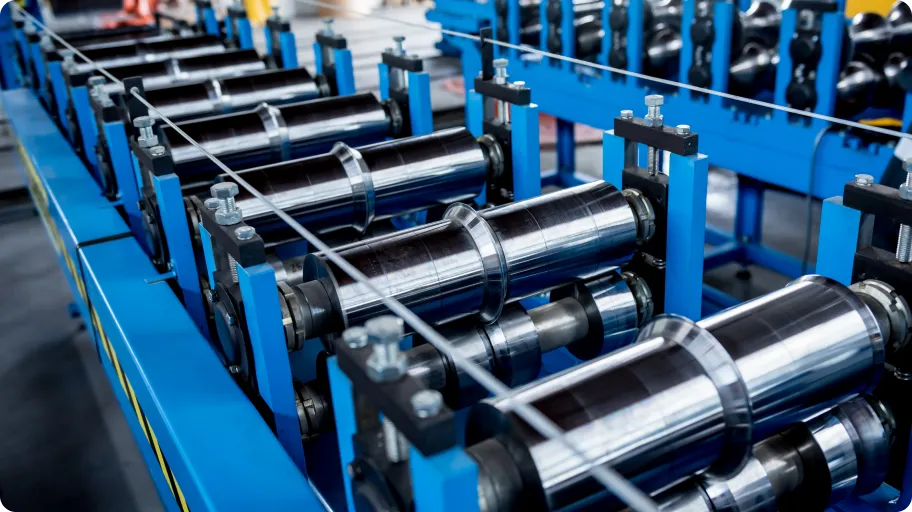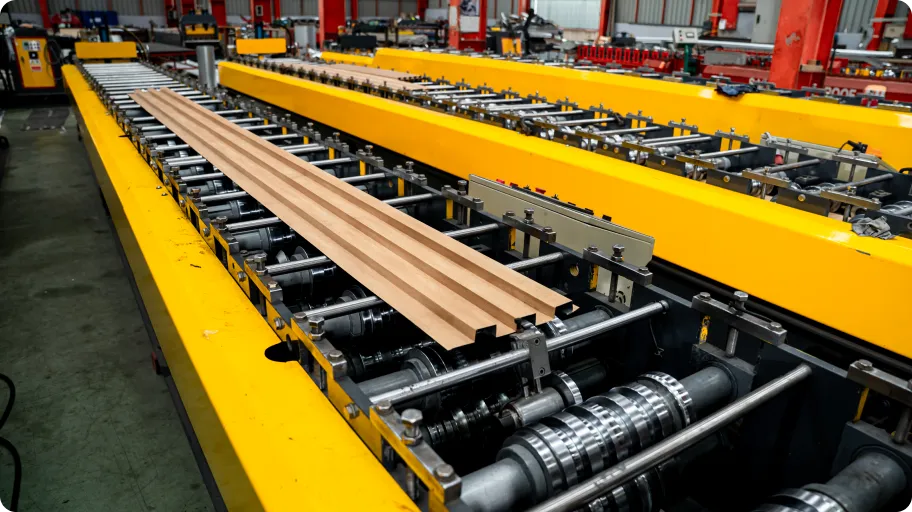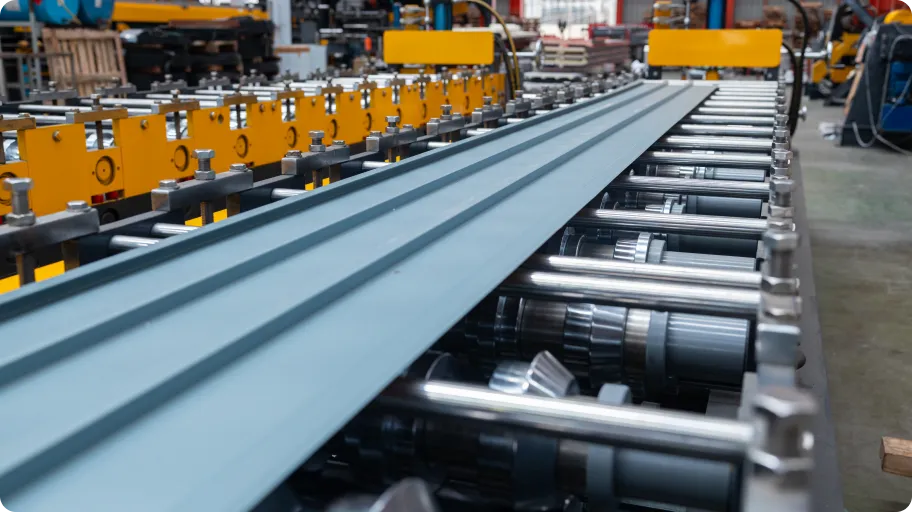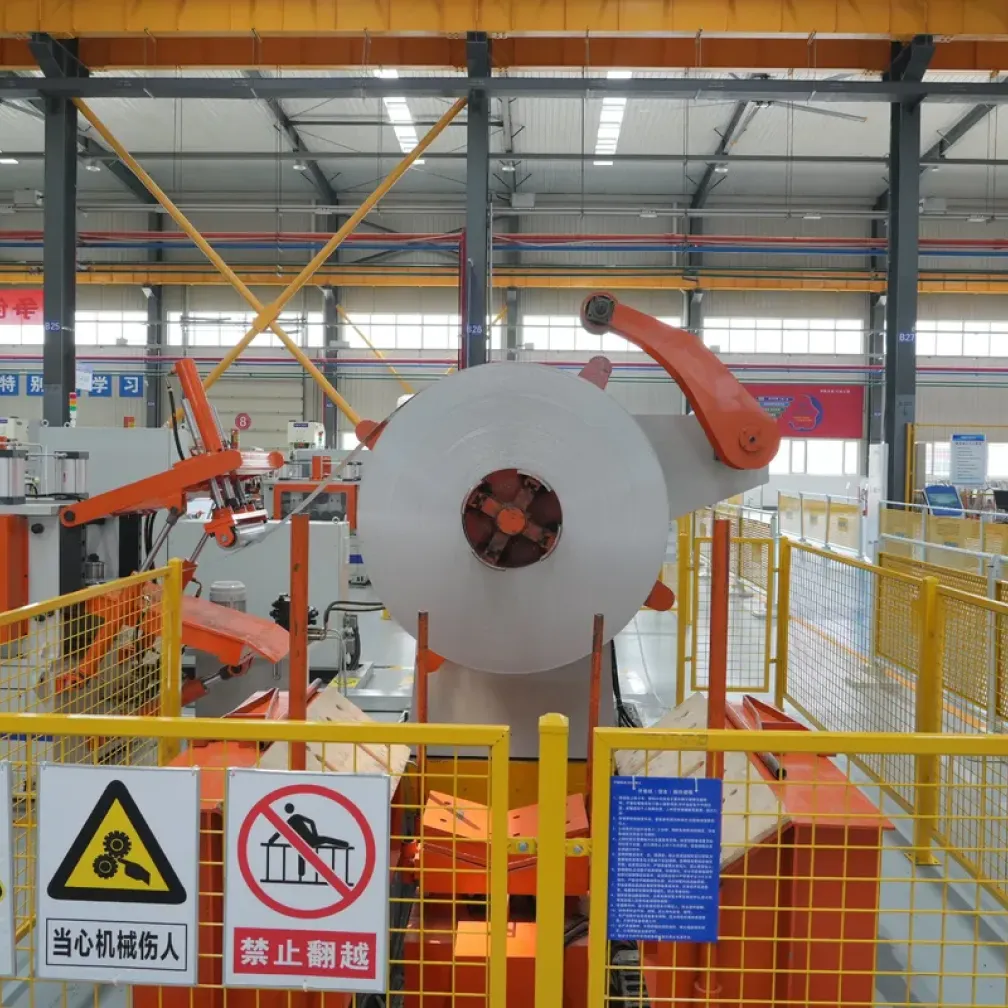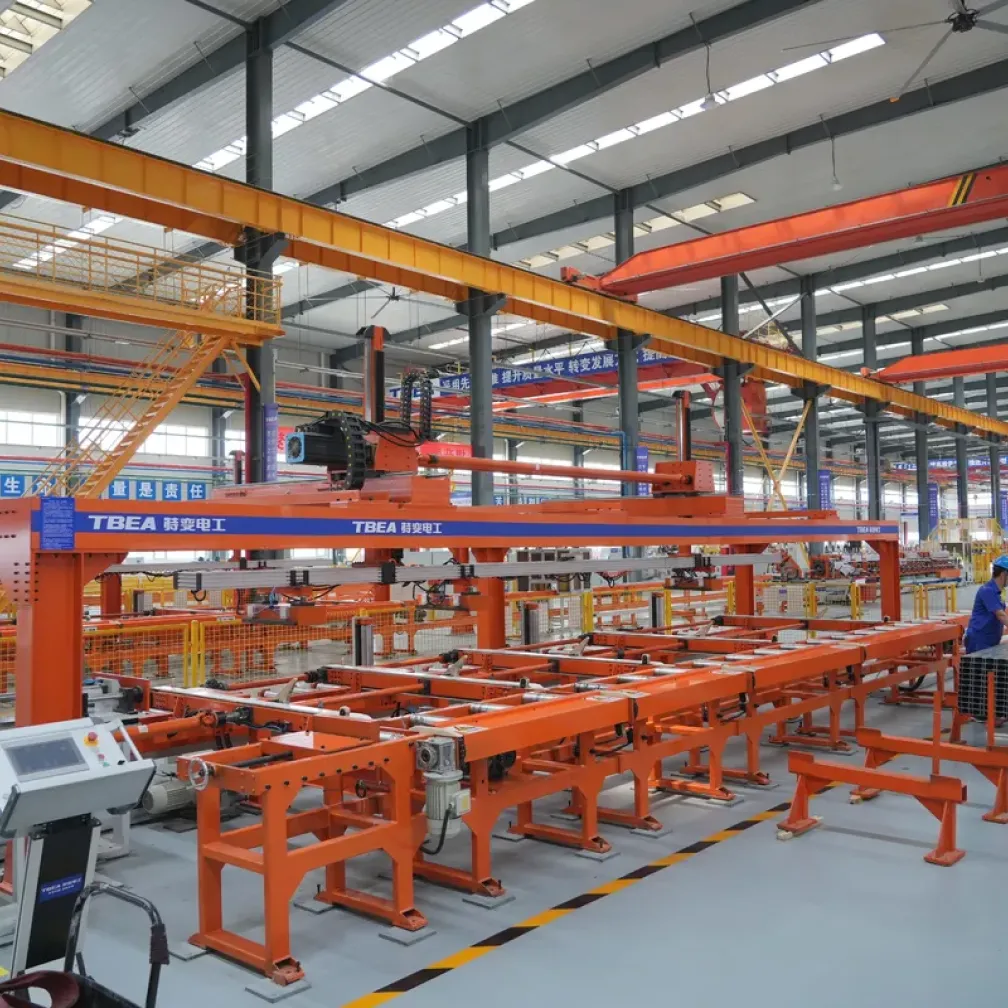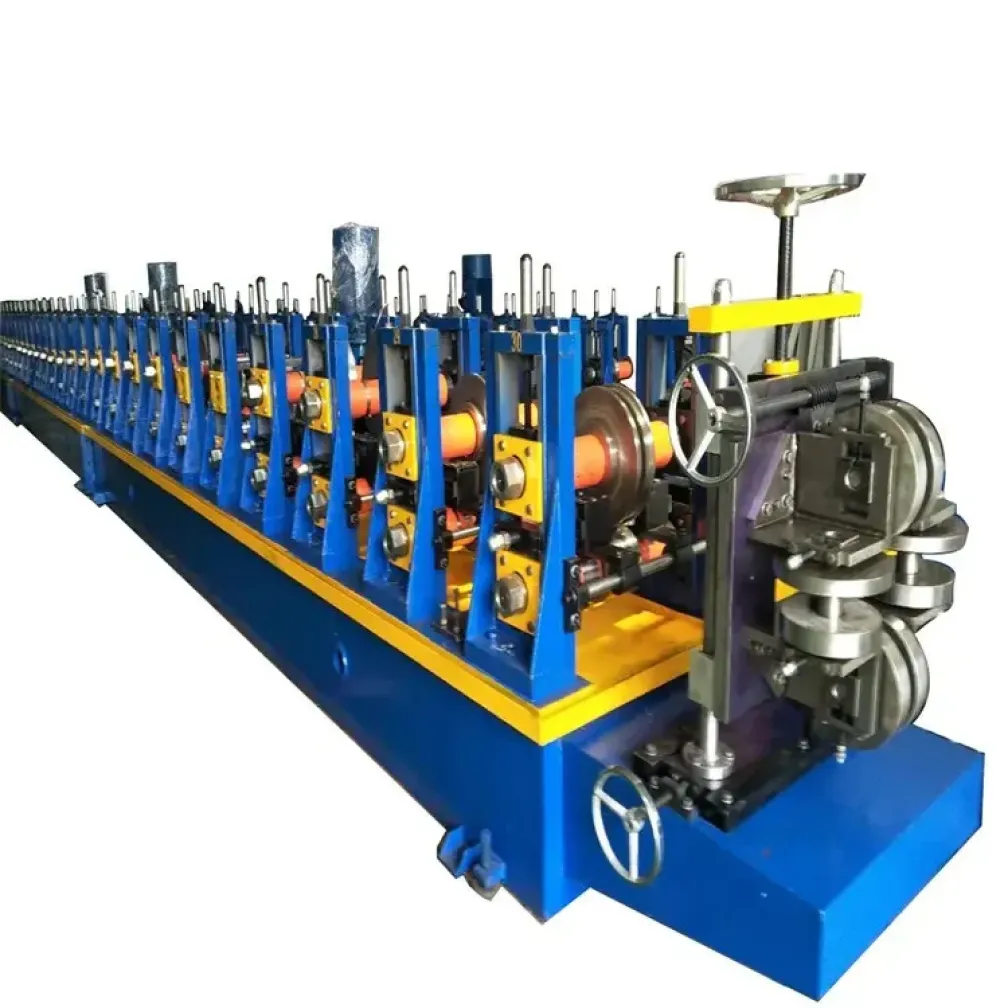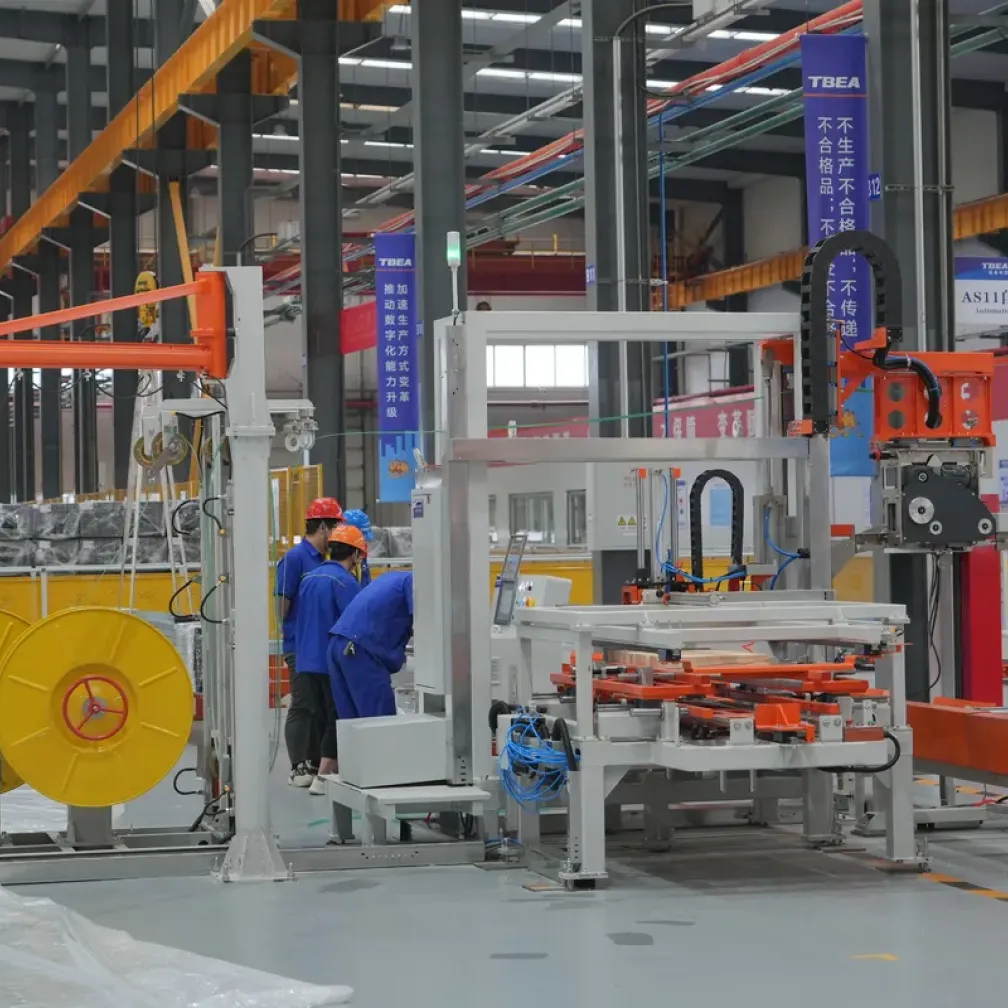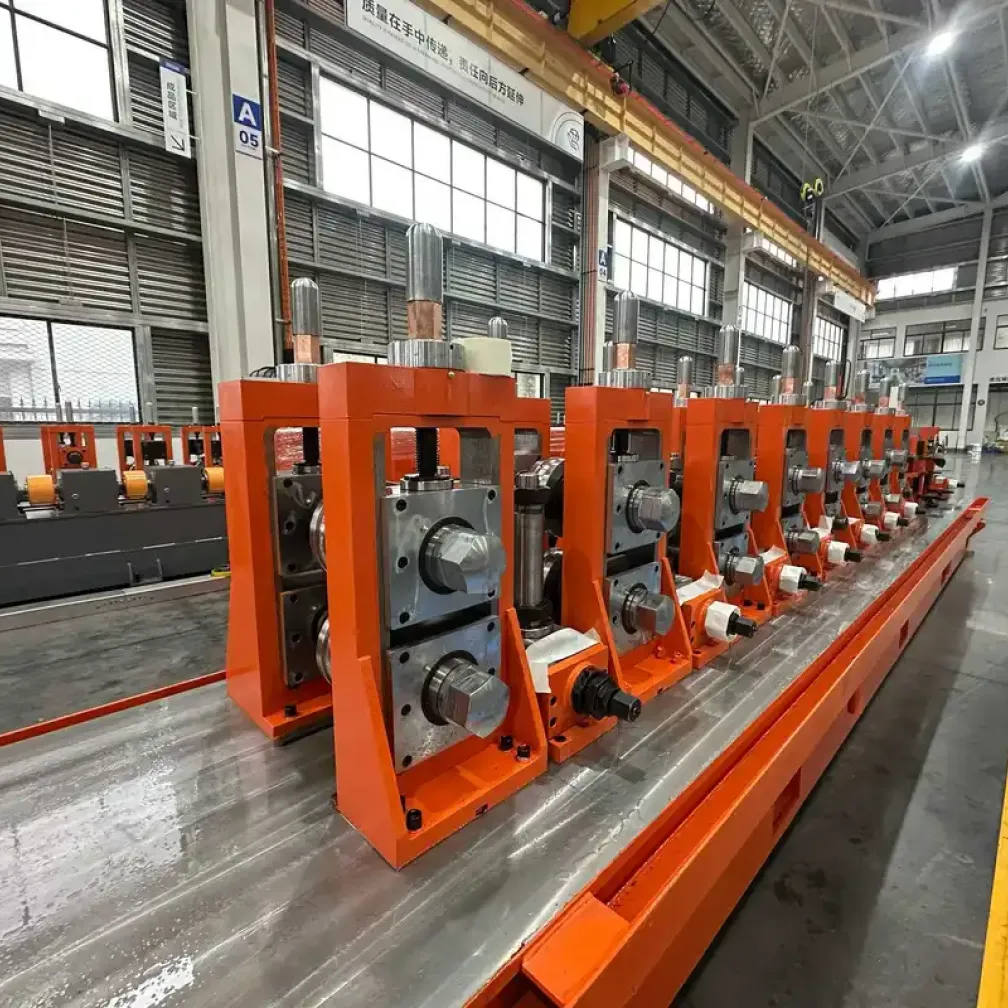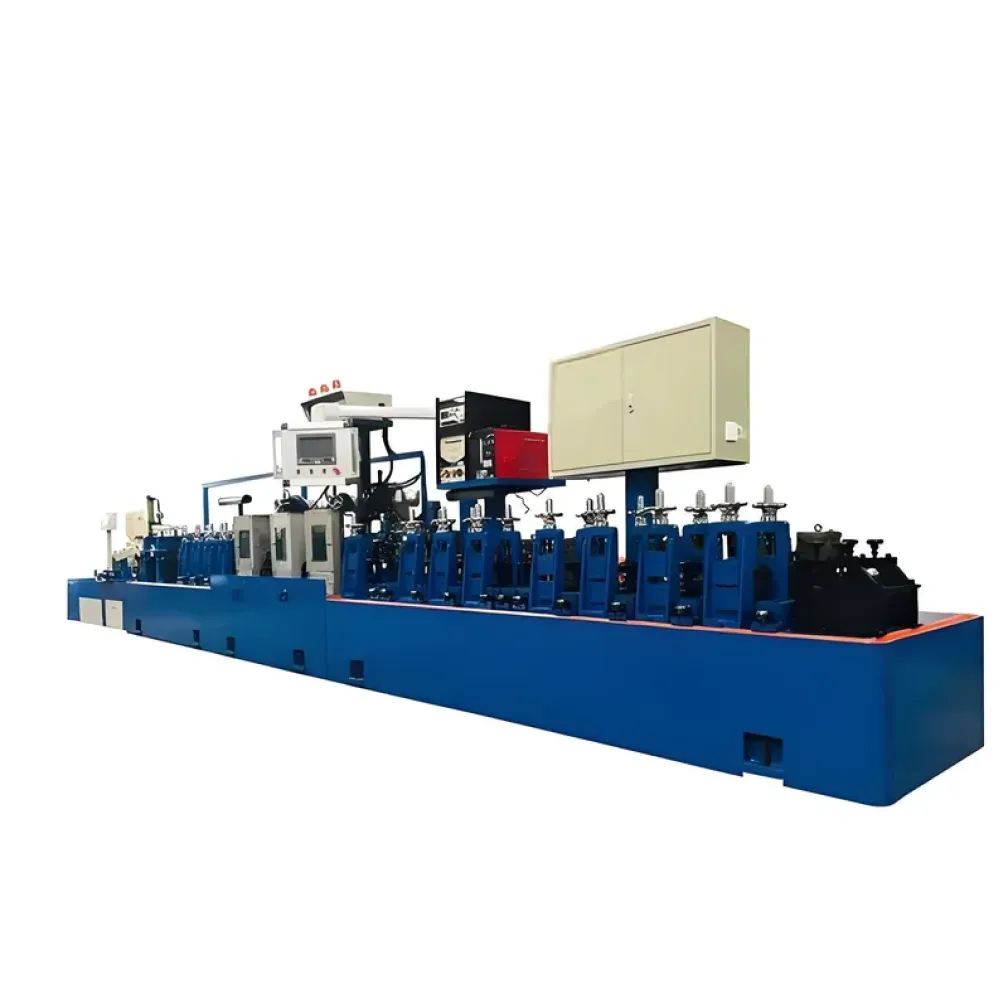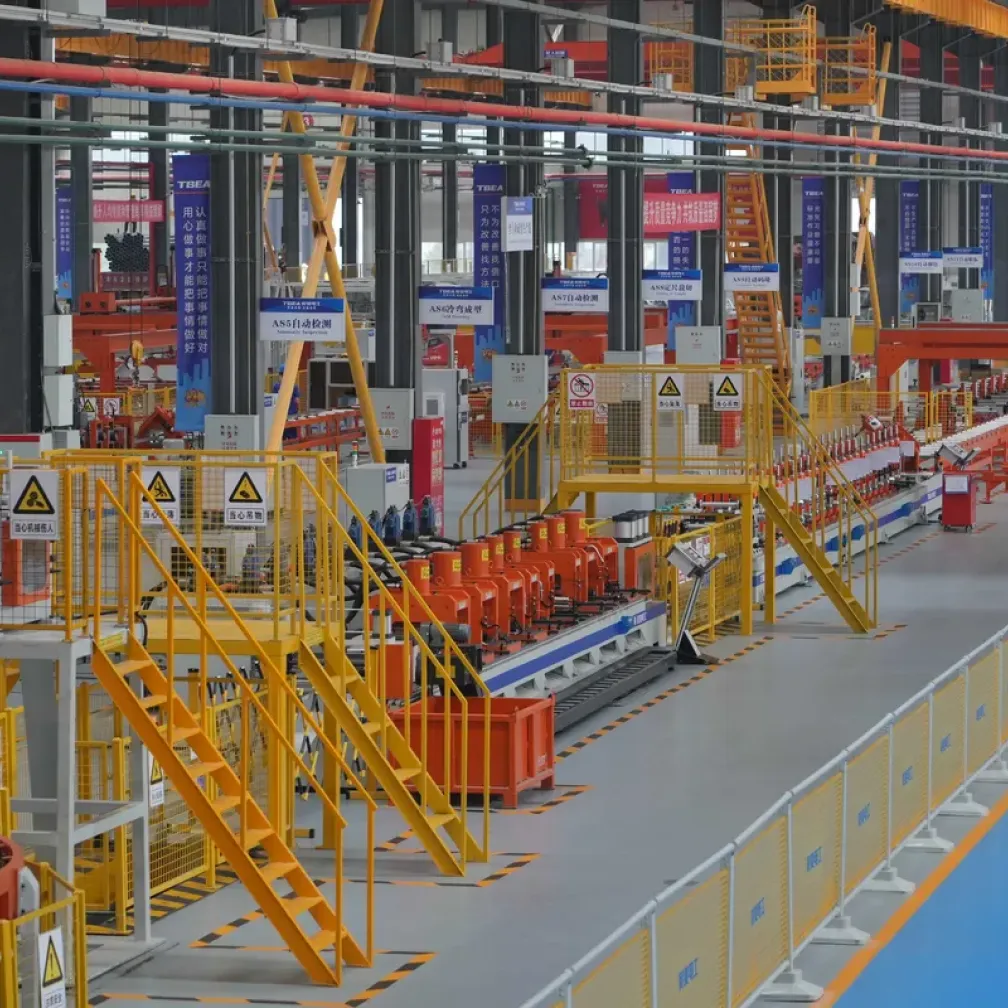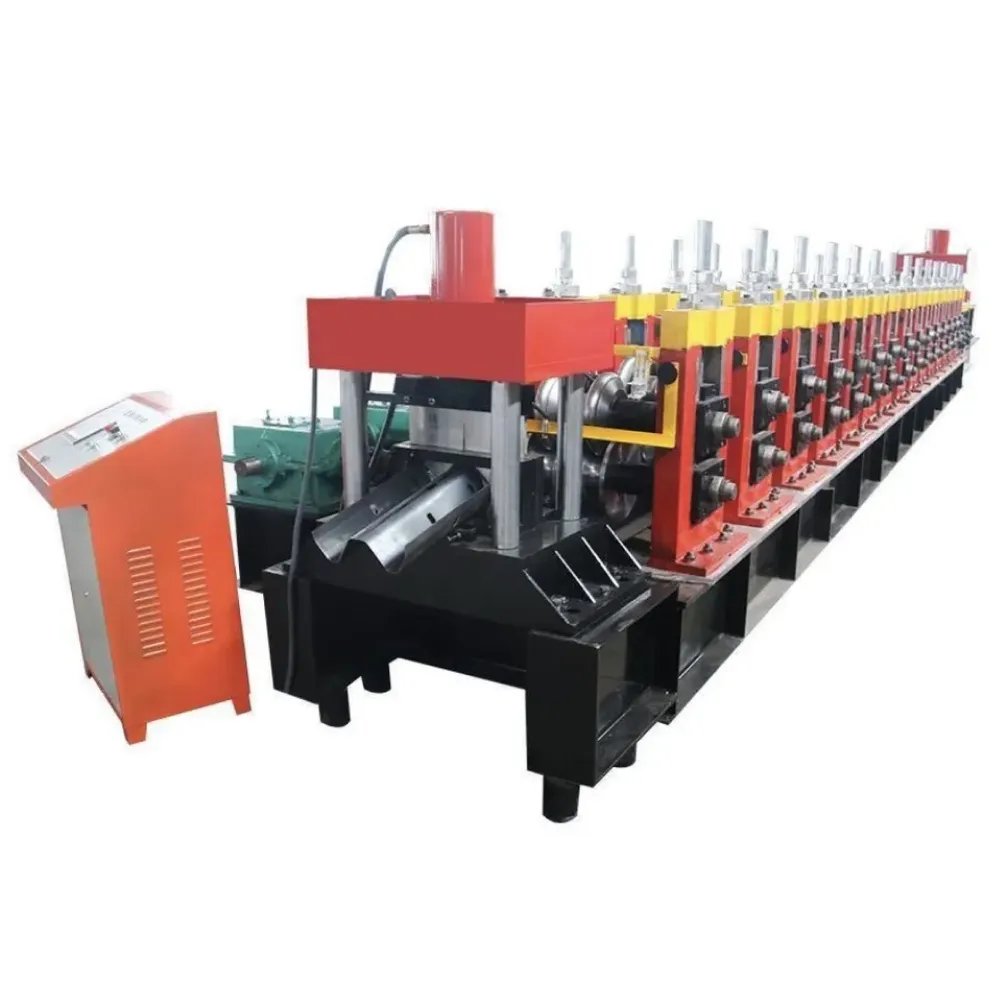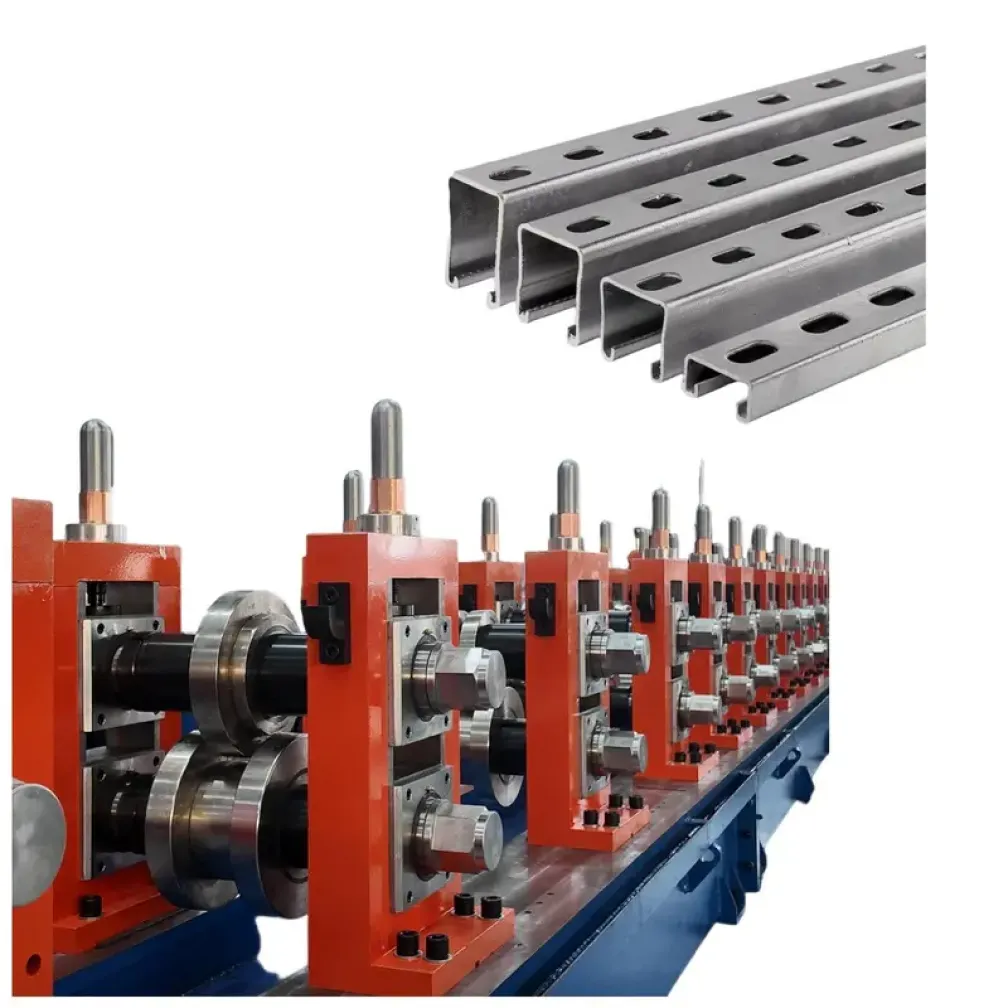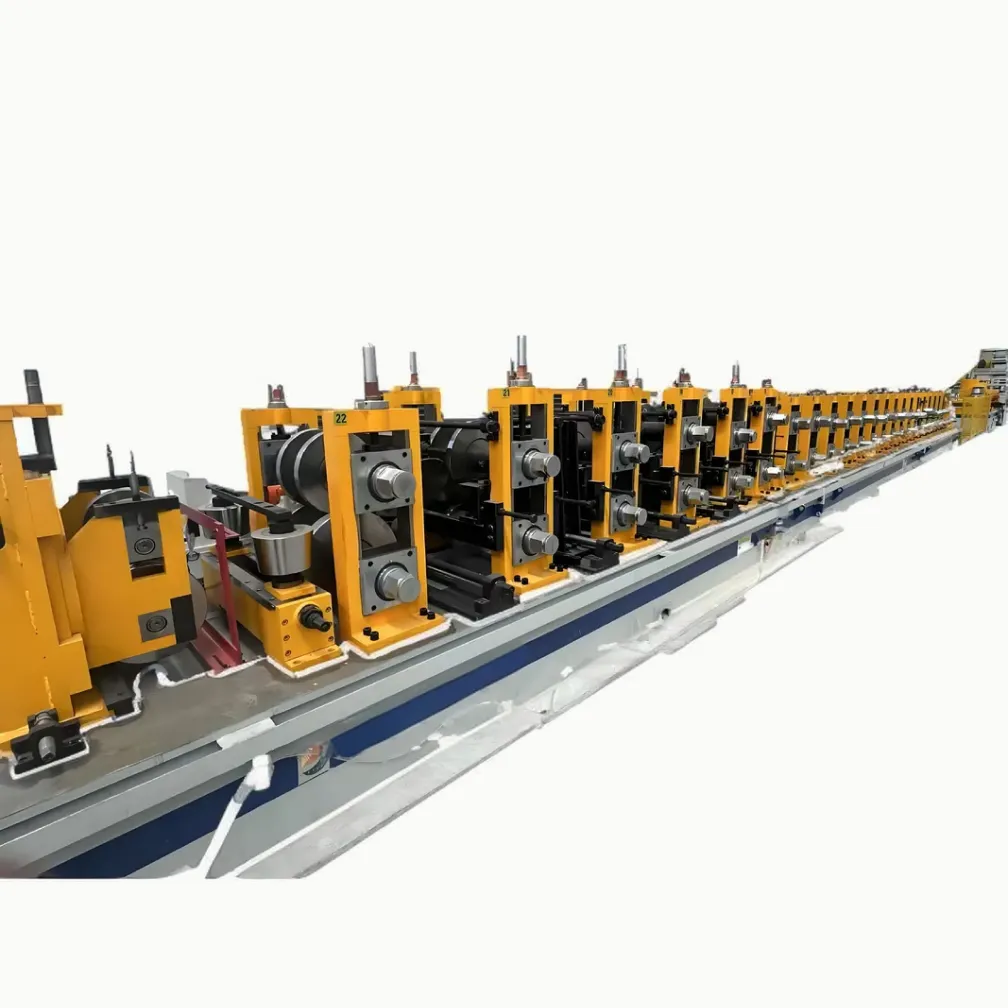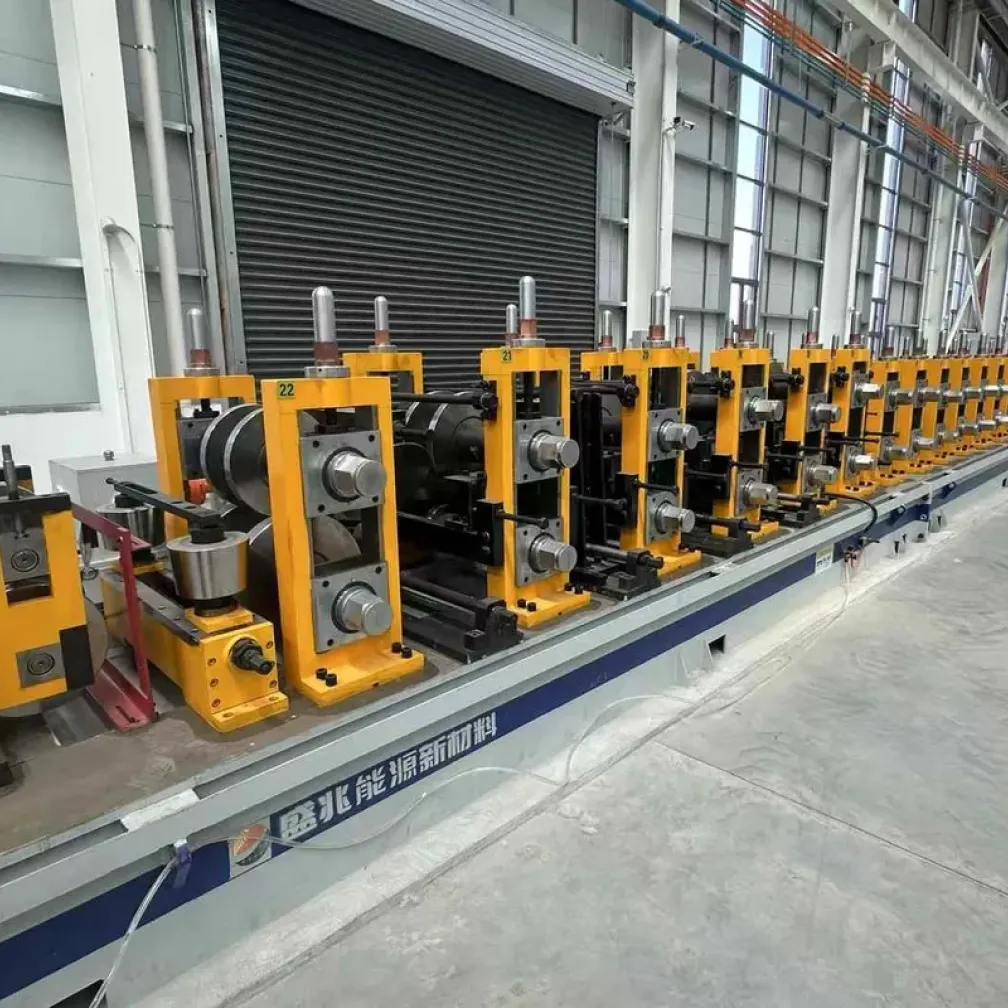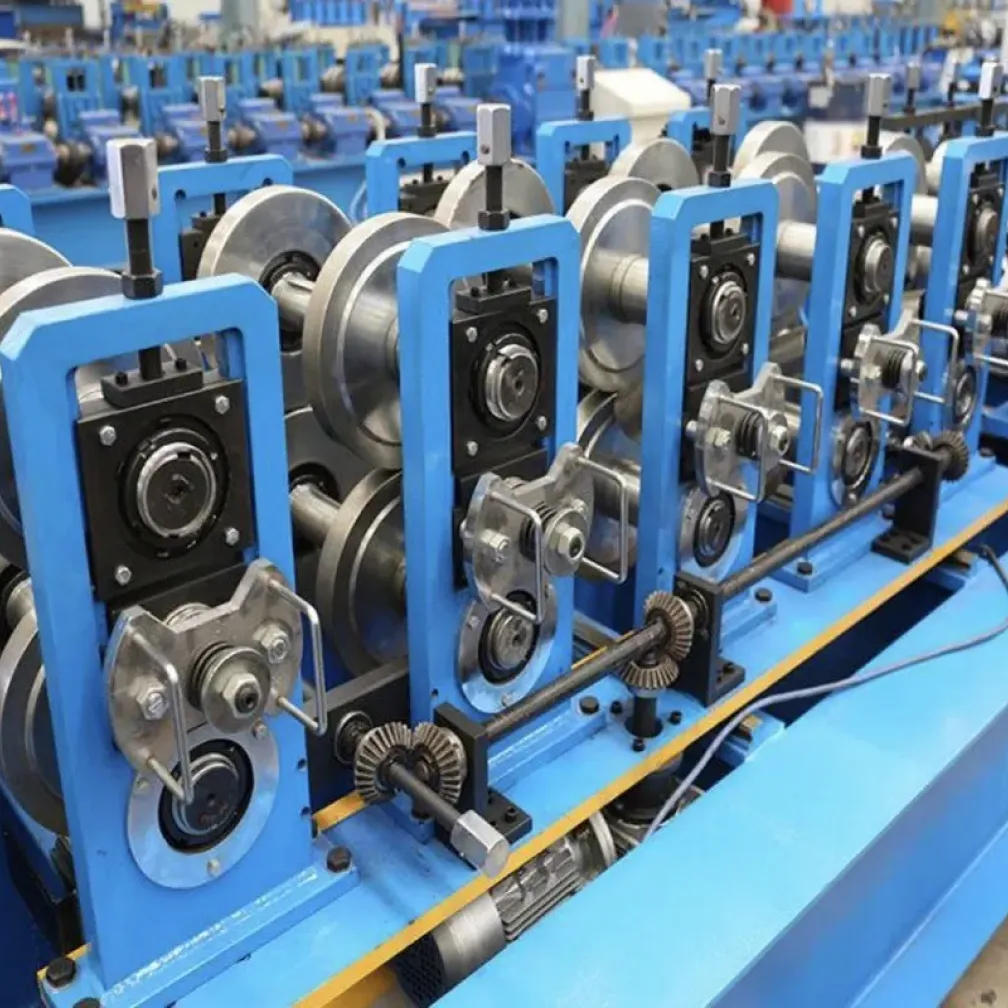


This solution provides a comprehensive, automated cold roll forming line dedicated to the production of solar photovoltaic (PV) mounting brackets. Engineered for PV component fabricators, structural profile service centers, and large-scale EPC contractors, the system transforms high-strength steel coils into precisely punched and formed mounting rails, ready for immediate field installation. From decoiling and continuous high-speed servo punching to cold roll forming and flying cut-off, the entire process is synchronized under a unified PLC control system. This page details the target operators, production capabilities, equipment configuration, plant planning metrics, and THRONCH's implementation support.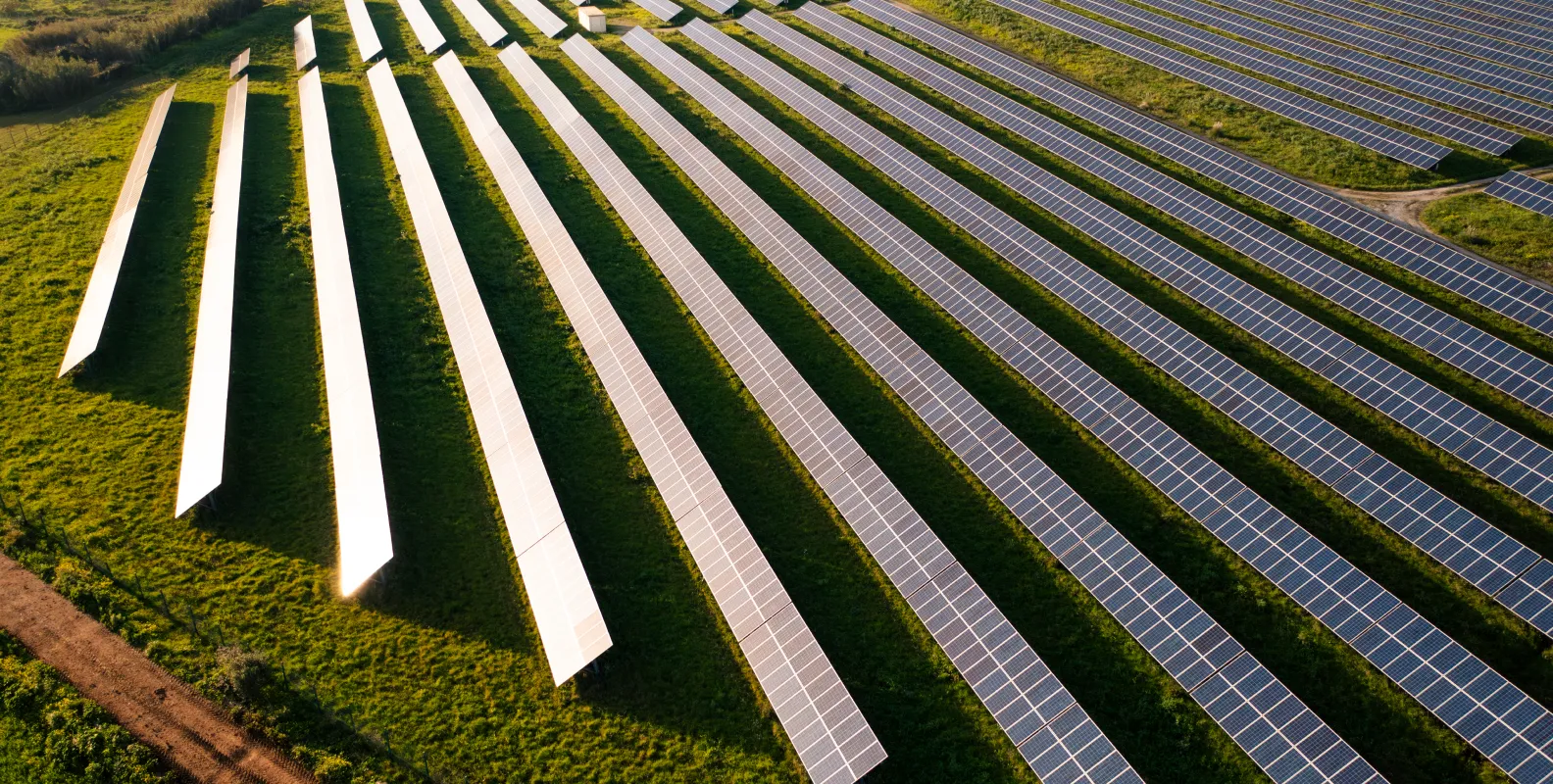
Who This Production Solution Is For
This automated line delivers the highest return on investment for three specific types of operations. First, dedicated solar mounting system manufacturers who supply large-scale solar farm projects and require continuous, high-volume production of C, U, or Omega profiles. Second, steel profile service centers aiming to diversify their product portfolio to capture the expanding renewable energy infrastructure market. Third, major EPC (Engineering, Procurement, and Construction) contractors executing multi-megawatt utility-scale solar projects, where establishing an on-site or localized in-house production facility eliminates exorbitant logistics costs associated with shipping pre-formed hollow sections.
What the Line Produces
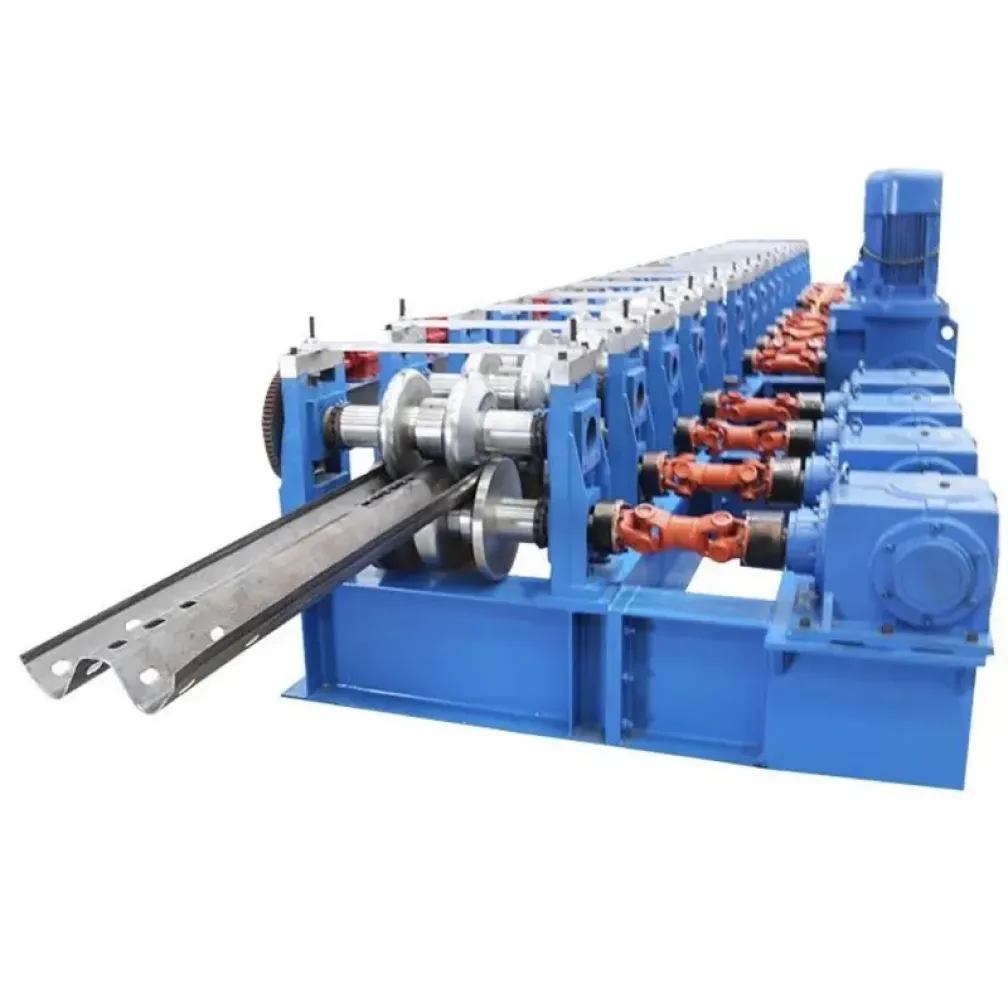
The line is designed to manufacture the foundational structural components of solar tracker and fixed-tilt systems. Primarily, this includes C-channels, U-channels, Z-profiles, and complex Omega sections used as columns, torque tubes, and panel rails. Profile widths and flange dimensions are customizable based on project-specific engineering drawings. The equipment reliably processes strip thicknesses ranging from 1.5 mm to 4.0 mm. Material compatibility includes standard hot-dip galvanized steel, high-strength structural grades (e.g., S350GD, S450GD), and increasingly prevalent zinc-aluminum-magnesium (Zn-Al-Mg) alloy-coated coils. Length tolerances are tightly controlled within ±1.5 mm over a 6-meter span.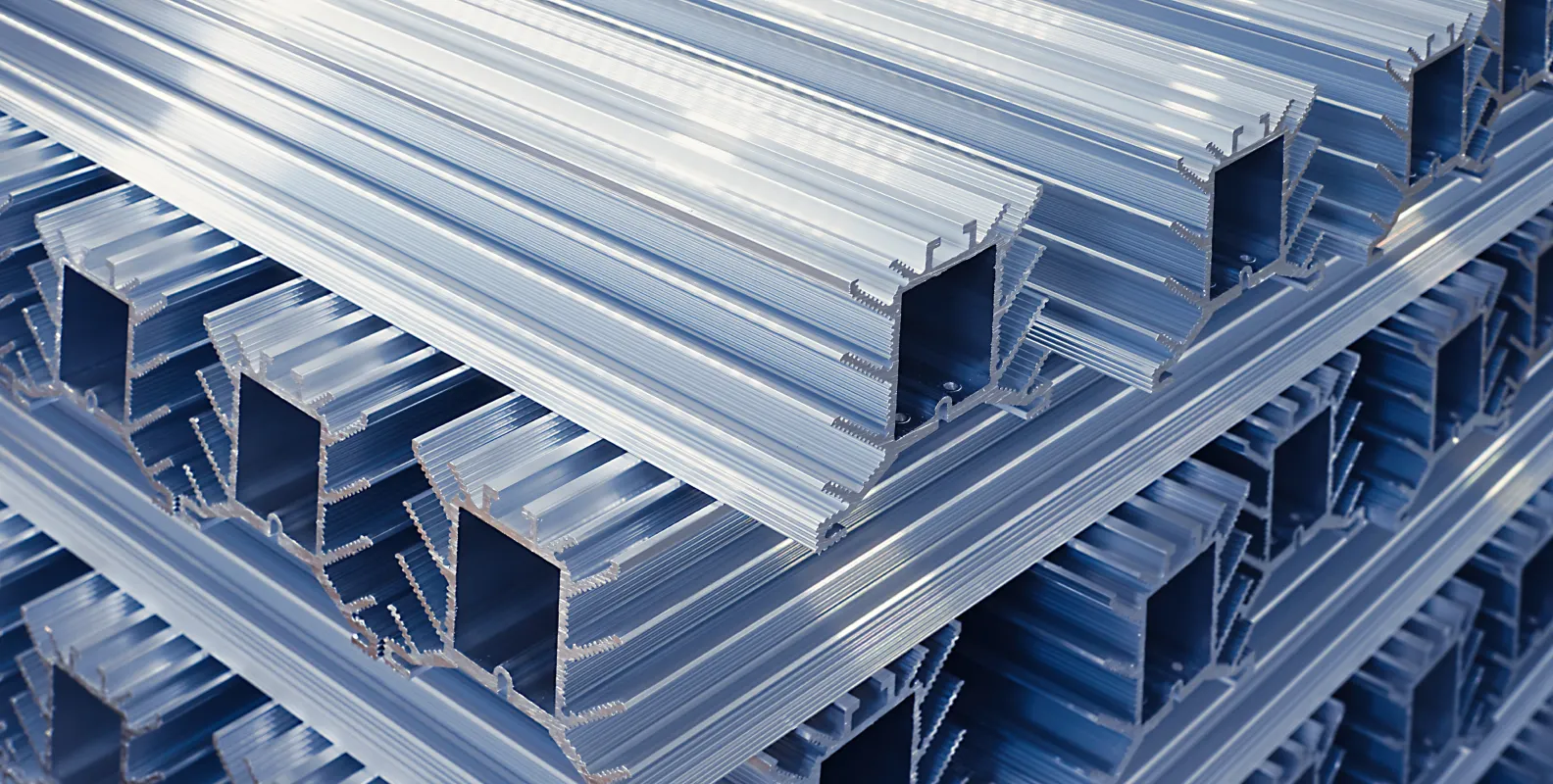
Line Configuration and Process Flow
The standard architecture of the solar bracket production line integrates heavy-duty components designed for continuous, multi-shift operation:
| Stage | Equipment | Function |
|---|---|---|
| Decoiling | Hydraulic decoiler, 5 to 10-ton capacity | Supports heavy coils and provides controlled tension feed |
| Leveling | Heavy-duty 7 or 9-roll leveler | Eliminates coil set to ensure strip flatness prior to punching |
| Punching | Servo feeder with independent hydraulic punch presses | Executes complex, continuous hole patterns for panel mounting without stopping the line |
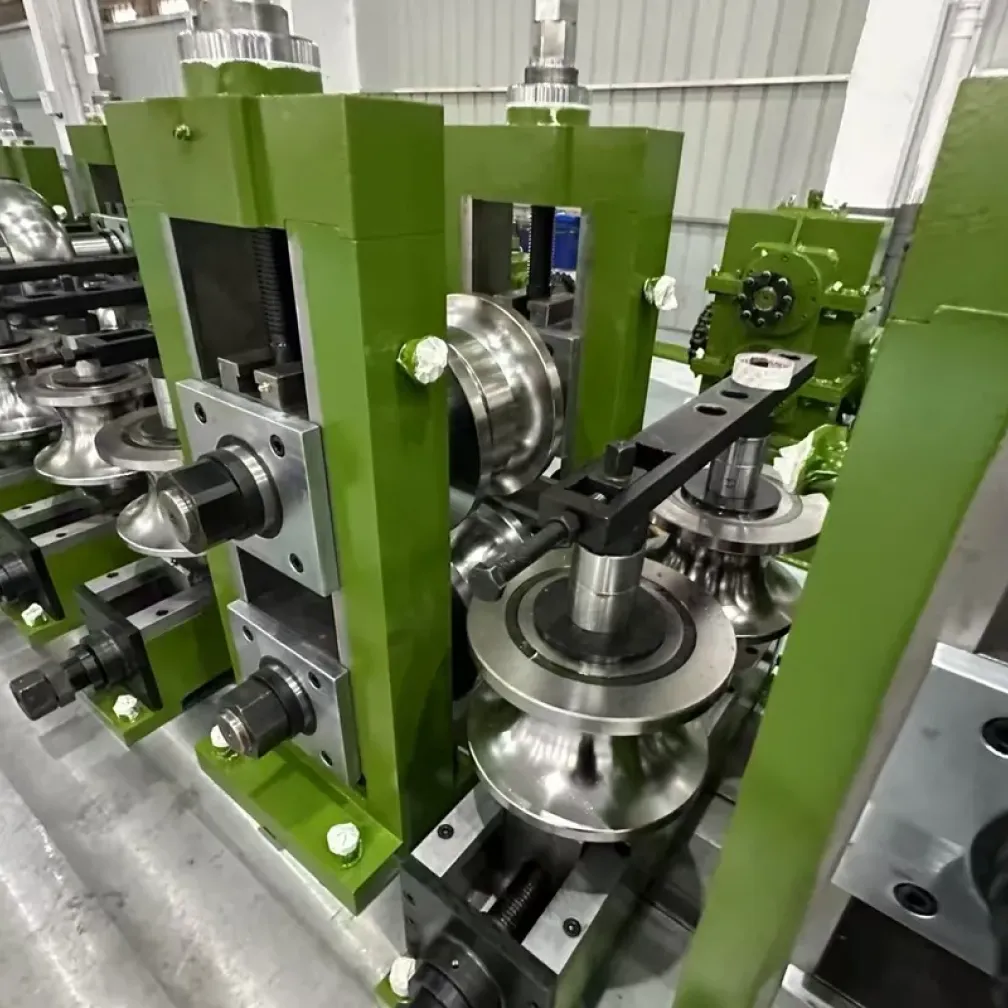
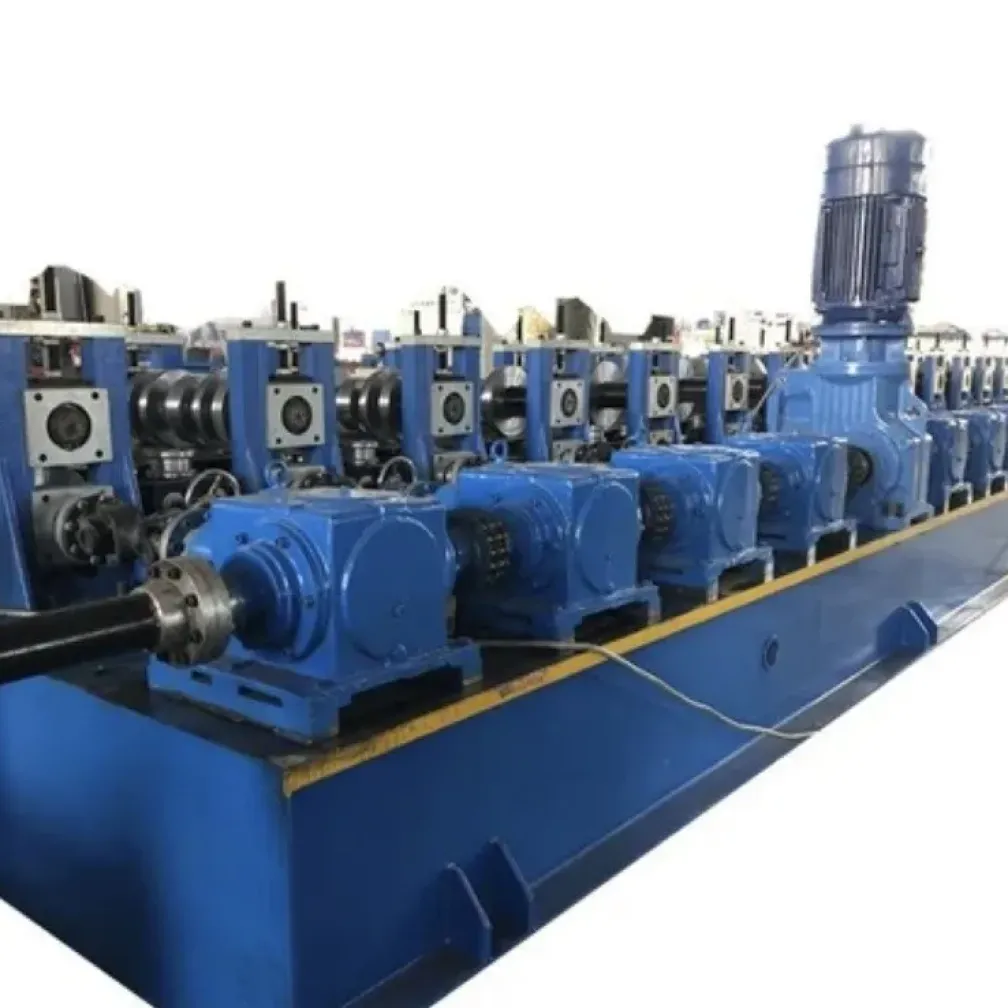
| Forming | Rigid roll forming mill, 18 to 24 stands with Cr12 tooling | Gradually shapes the strip to prevent coating micro-cracking |
| Cutting | Hydraulic tracking cut-off (Flying Shear) | Performs distortion-free, in-motion cutting to specified lengths |
High-Speed Continuous Punching
Solar mounting structures require extensive, repetitive hole patterns (slotted and round) along the flanges and web to accommodate diverse solar module dimensions and terrain adaptations. Integrating a servo-driven hydraulic punching system before the forming stage allows for continuous, high-speed perforation. Hole coordinates are programmed directly into the PLC interface, ensuring absolute dimensional accuracy and eliminating the need for secondary post-fabrication drilling.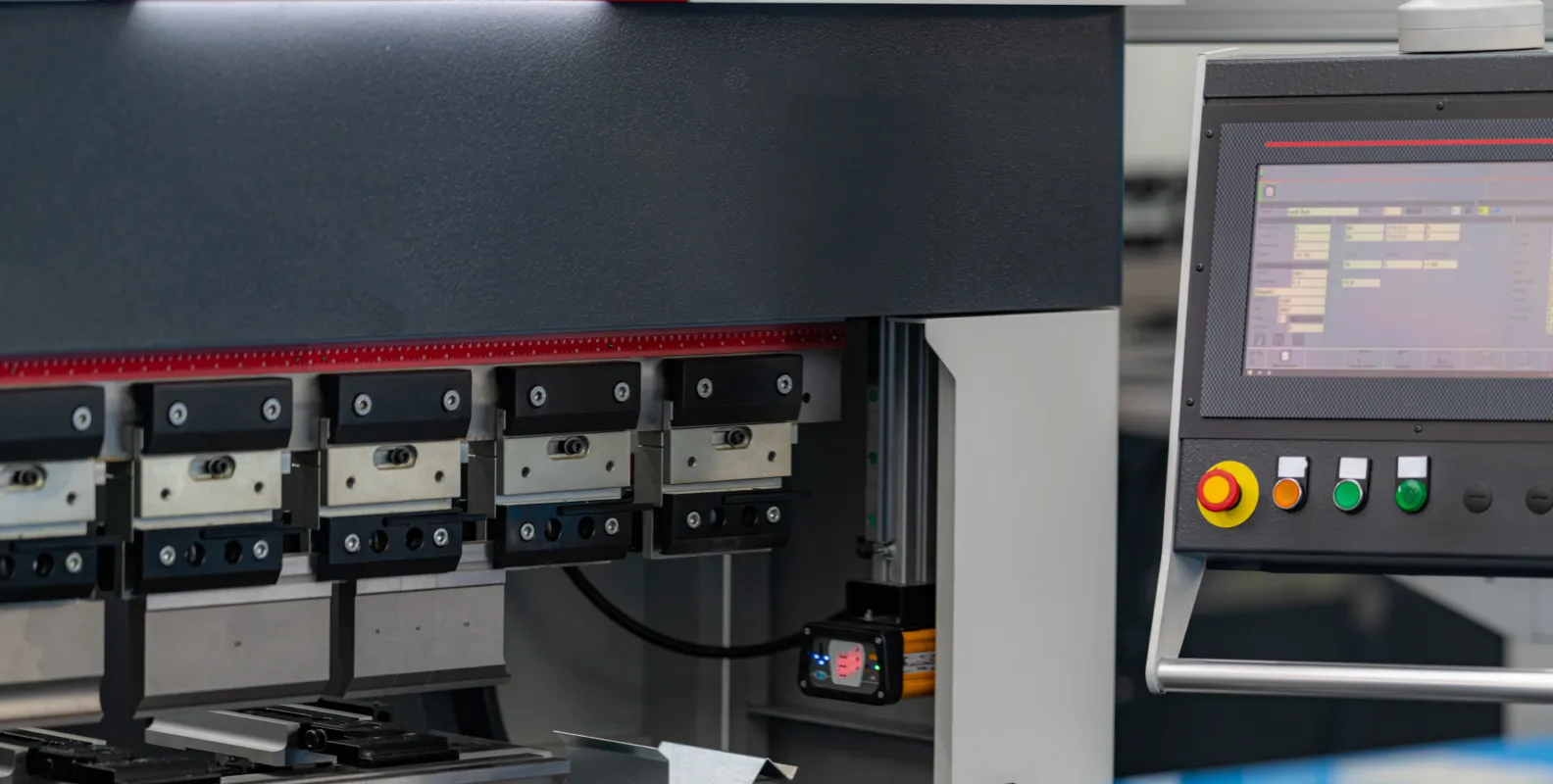
Planning Plant and Throughput
A standard THRONCH PV bracket line operates at forming speeds of 15 to 25 meters per minute, contingent on material thickness and punching density. When calculating real-world throughput, factoring in a 70% operational uptime (accounting for coil changeovers and bundle removal), a single production line can yield thousands of meters of mounting rails per 8-hour shift. Facility planning requires a straight, level linear footprint of approximately 35 to 45 meters. Essential plant infrastructure includes a 10-ton overhead crane for safe coil handling and sufficient laydown area for raw material and finished goods staging.
Delivery, Installation, and Technical Support
Standard roll forming lines for solar profiles are typically manufactured, assembled, and factory-tested within 45 to 60 days. Complex, fully automated configurations may require up to 90 days. Every machine undergoes rigorous test runs with actual coil material at our Wuxi facility prior to dispatch. We support global logistics via FOB, CIF, or comprehensive door-to-door terms. THRONCH deploys specialized engineers to your site for complete installation, commissioning, and operator training, usually completed within 5 to 7 days. Our equipment is backed by comprehensive warranties and lifetime remote technical support.
Start Your Solar Bracket Production Project
Send our team your specific profile cross-section drawings, material specifications, and anticipated production volumes. Our engineers will provide a detailed technical proposal, including equipment configuration, layout schematics, and a competitive quotation. Build your renewable energy infrastructure with precision manufacturing. Contact us directly at amy@thronch.com to initiate your project.
Frequently Asked Questions
What types of solar mounting profiles can one machine produce?
One production line can be engineered to produce multiple profiles, such as C-channels, U-channels, and Omega sections. By integrating adjustable roll stands or quick-change cassette systems, operators can switch between different web widths and flange sizes without replacing the entire roller tooling set.
Can the machine process high-tensile steel and Zn-Al-Mg coated coils?
Yes. The roll forming mill features rigid gearbox-driven stands and Cr12MoV or DC53 tooling. This architecture easily handles high-yield structural grades (e.g., S350GD, S450GD) and prevents surface galling or micro-cracking when processing Zinc-Aluminum-Magnesium (Zn-Al-Mg) coated strip.
How are the panel mounting holes punched, and what is the tolerance?
Holes are punched inline using an independent hydraulic press controlled by a precision servo feeder before the cold forming stage. This continuous pre-punching method eliminates secondary drilling and maintains strict longitudinal pitch tolerances, even at high line speeds.
What is the typical production speed of the solar bracket line?
Effective line speeds generally range from 15 to 25 meters per minute. The exact speed depends on strip thickness, the complexity of the cross-section, and the density of the inline punching patterns.
How long does it take to change profile sizes during production?
For lines equipped with motorized automated width adjustment, changeovers are executed via the PLC touchscreen in minutes. For standard lines utilizing manual sleeve and spacer adjustments, a size change typically requires 1 to 2 hours depending on operator proficiency.
Do you provide on-site installation and operator training?
Yes. THRONCH deploys specialized technicians to your facility to oversee the complete mechanical and electrical installation, perform live material commissioning, and provide comprehensive training for your operators.
-

THRONCH
Cold Roll Forming Machine Manufacturer
THRONCH is a direct manufacturer specializing in custom cold roll forming lines and welded pipe mills. With over a decade of engineering expertise, we share technical insights and deliver high-precision